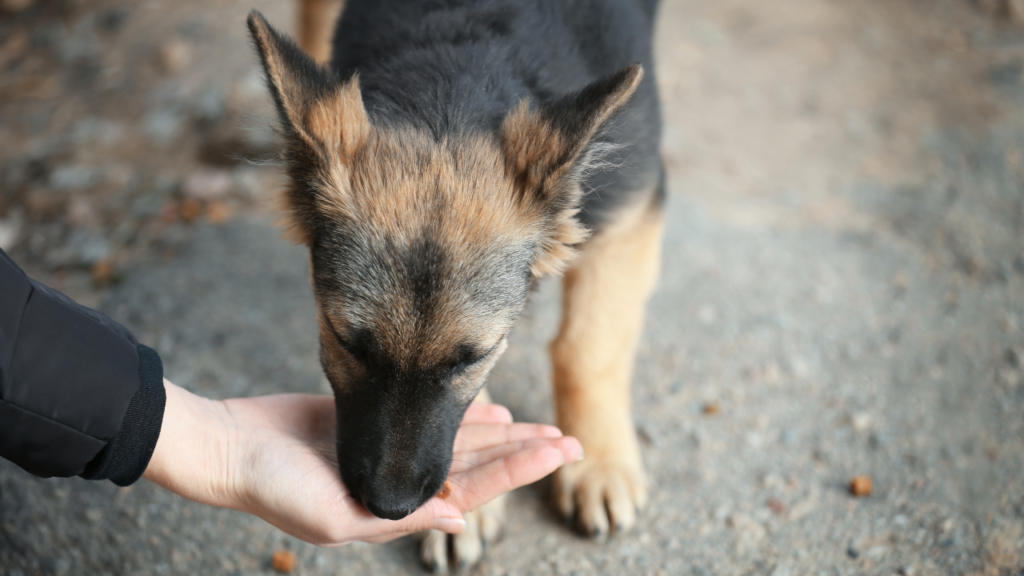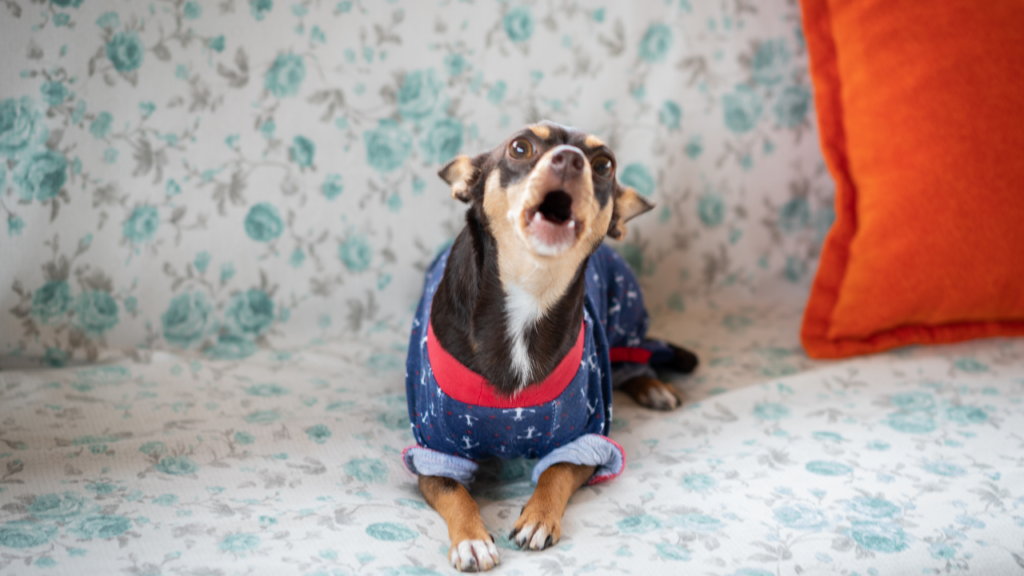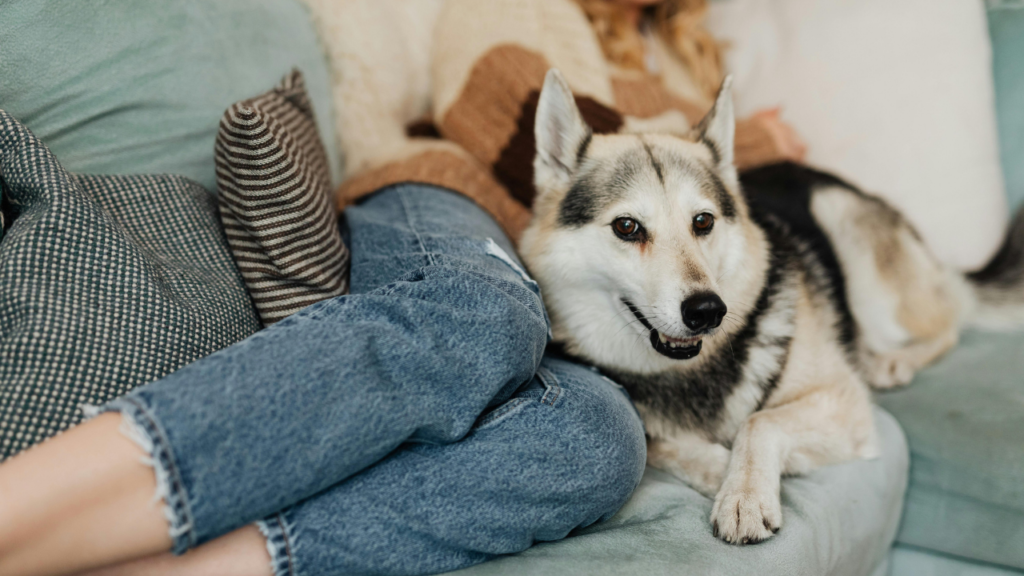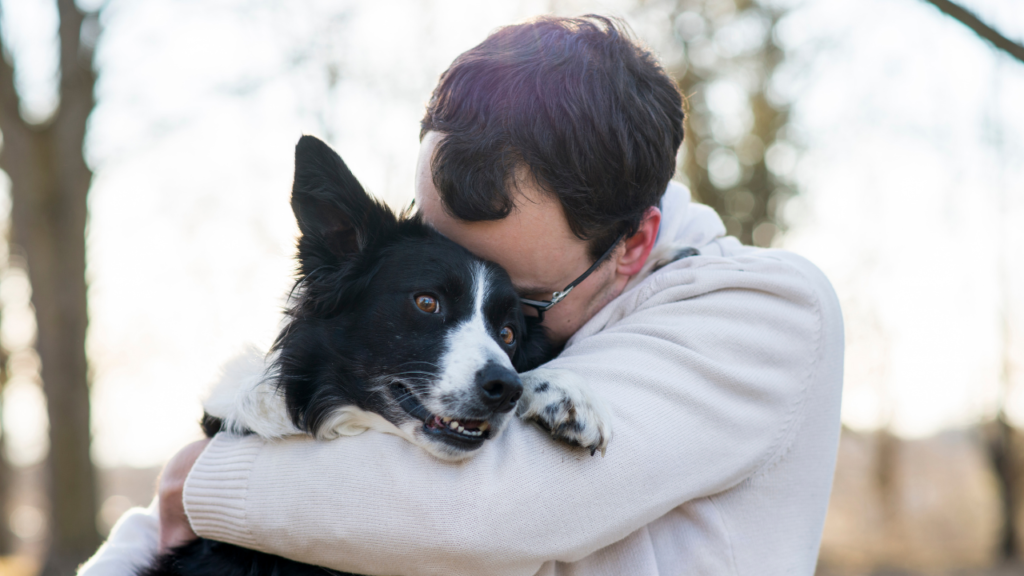
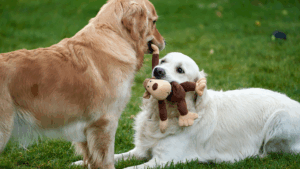
Ever wonder why your dogs seem like best friends at the park… but act like sworn enemies at home? You’re not alone. One of the most common (and frustrating) issues in multi-dog households is this strange shift in behavior. Outdoors, they’re playful. Indoors, it’s growls, side-eyes, and random explosions of drama. What gives?
Here’s the thing: it’s not just bad behavior. It’s pack dynamics—a fancy way of saying your dogs are navigating territory, status, and survival… and your living room is the battleground. From resource guarding to attention wars, there are invisible stressors inside your home that don’t exist outside.
Need support from owners dealing with the same chaos? Join our free community:
👉 Dogs Unleashed – Utah County FB Group
The good news? You can absolutely fix this once you understand why it’s happening. Let’s break down four common causes of indoor conflict—and what you can do to stop it.
Territory Tension: “Whose House Is It, Anyway?”
Let’s get one thing straight: your dog probably thinks they own the house—and everything in it. The couch? Theirs. The hallway? Theirs. That one sunny spot on the floor? Also theirs. So when another dog walks into that shared space and tries to claim the same toy, bed, or even human… you’ve got conflict waiting to happen.
Dogs are territorial by nature. In the wild, space equals survival—so guarding resources, including space itself, is instinctual. And in your home, those instincts don’t just vanish because both dogs are well-fed or “should know better.”
Compare that to what happens outside. Walks, parks, even the front yard—all are neutral ground. There’s less pressure to protect or dominate, which is why your dogs might play beautifully in public but become grumpy roommates at home.
Your job? Set structure and boundaries. Enforce rules evenly, and don’t let the pushiest dog win by default. You’re the leader, not the referee.
Need help figuring out where to start?
👉 Contact us for a free consultation
Attention Wars: The Jealousy is Real
You thought love was infinite—until you had two dogs staring you down for cuddles like you’re the last celebrity meet-and-greet on Earth.
Your affection is the hottest commodity in the house. Dogs are emotionally wired to notice when their sibling gets more love, more snuggles, or even more eye contact. That imbalance can turn into side-eye, blocking behavior, growling, or full-on drama.
A 2014 study in PLOS ONE confirmed that dogs feel jealousy, even when the “rival” is fake. So yes—it’s real. And it often explodes at home, where your attention is more consistent (and more worth fighting for).
The fix? Share attention fairly and reward calm behavior—not pushy antics. Set expectations, and don’t play favorites.
Resource Guarding: More Toys, More Problems
Resource guarding isn’t just about food. It’s about toys, beds, stolen socks—and yes, even you.
At home, dogs guard stuff because it’s theirs. The environment is full of “valuables.” Outside, not so much. So the same dog that snarls over a bone in the living room may have zero issues sharing sticks at the park.
This behavior isn’t aggression—it’s protection. Like you with snacks, your dog just wants to keep what they love.
You can manage this through structure and controlled exposure. Put high-value items away when unsupervised, use commands like “leave it,” and practice trade games.
Want to learn what not to do after your dog gets reactive?
👉 Check out this blog: What You Might Be Doing Wrong
Your Energy = Their Drama
Here’s the truth most owners miss: your dogs feed off your vibe.
If you’re tense, rushed, or emotionally chaotic at home, they feel it—and start mimicking it. You walk in frustrated after work? Expect some tail-snapping tension. You raise your voice mid-fight? They’ll raise theirs, too.
Dogs are energetic mirrors. Outside, your energy is more focused. You’re walking, talking, moving. Inside, you’re static—and they absorb whatever you bring into the room.
Solution? Be the thermostat, not the thermometer. Set the tone, enforce calm, and your dogs will learn to settle under your emotional leadership.
Conclusion
If your dogs seem like best friends outside but rivals at home, you’re not alone—and it’s not your dogs being “bad.” It’s a clash of pack dynamics, shaped by territory, competition, and even your own energy. From guarding resources to fighting for attention or claiming space, your home can easily turn into a silent battleground if structure is missing.
The good news? You’re not stuck with chaos. With consistent leadership, fair rules, and a little awareness of what’s triggering your dogs, peace is possible.
You’ve got this—and your dogs are counting on you.