The Hidden Downside of Hand-Feeding Your Dog
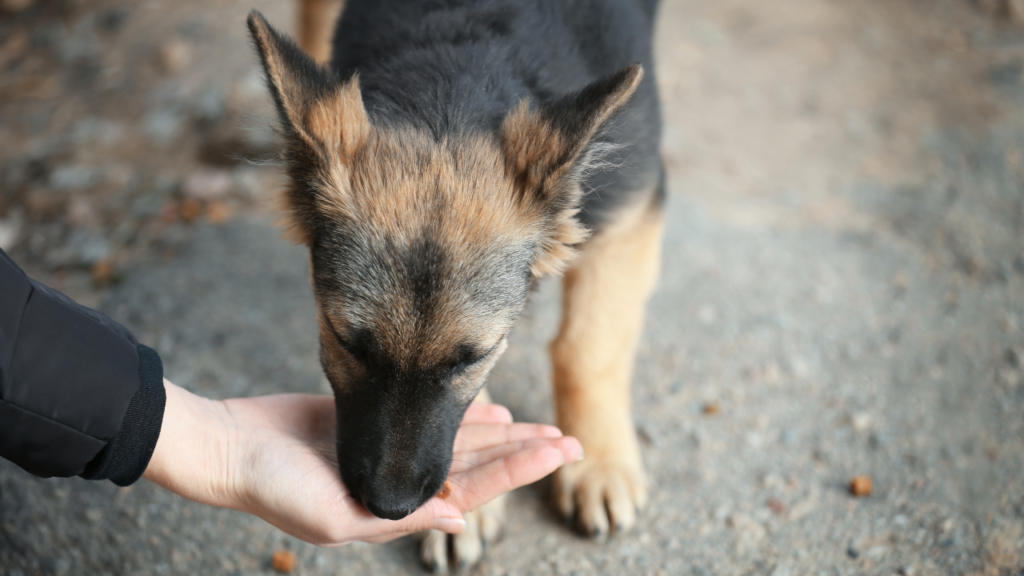
Hand-feeding can be a great training tool—but what happens when your dog starts depending on it?
Learn how too much hand-feeding can create unwanted habits, the difference between rewarding and bribing, and how to raise a confident dog who listens even when there’s no treat in your hand.
How Too Much Visual Access Fuels Dog Reactivity

Is your dog constantly barking at people, delivery drivers, dogs, or squirrels outside?
Too much visual access could be fueling their reactivity.
Learn how windows, open floor plans, and neighborhood “watch duty” can encourage barking—and discover simple changes that can help your dog settle down and give you a quieter, more peaceful home.
Why Clear Communication Changes Everything
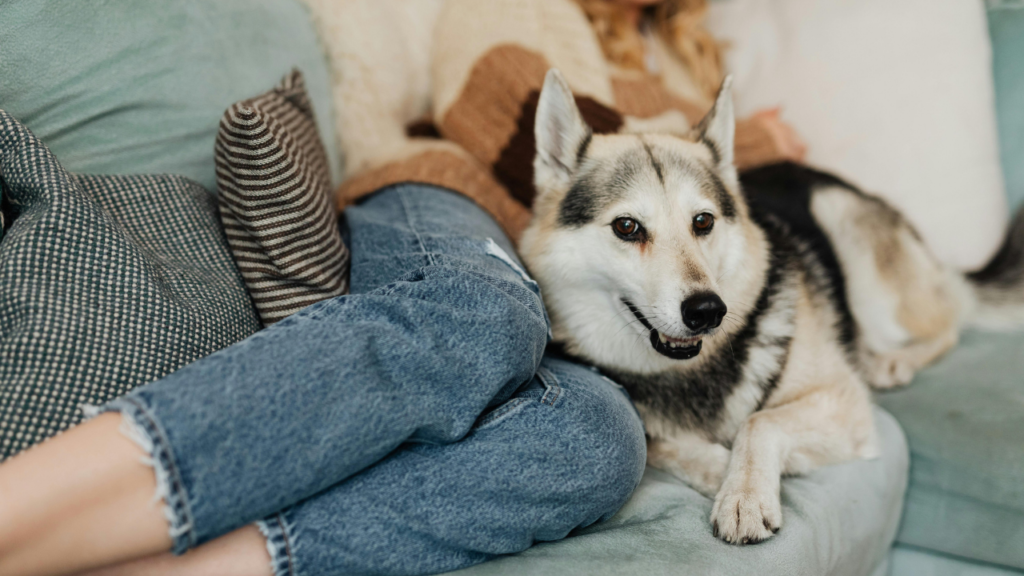
Think your dog is stubborn, ignoring you, or deliberately testing your patience?
The truth might be simpler: your dog is constantly reading your body language, tone, timing, consistency, and follow-through. When those signals don’t match what you’re saying, your dog can become confused about what you actually want.
Discover why your dog may listen perfectly to a trainer but struggle with you, why repeating commands can make things worse, and how clearer communication can lead to less frustration, better behavior, and a stronger relationship with your dog.
Stop Negotiating With Your Dog: Make Your First “No” Count
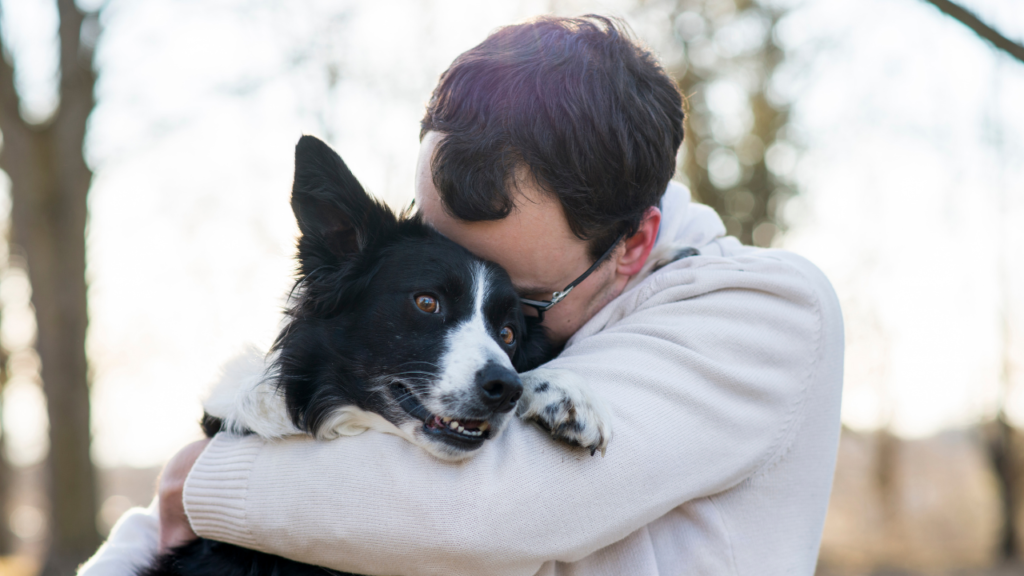
Your dog isn’t ignoring you by accident—they may have learned that if they wait long enough, you’ll give in.
From leash pulling and jumping to selective listening and treat bribery, inconsistent boundaries can accidentally reinforce the behaviors driving you crazy.
Learn how calm, consistent follow-through can help you stop repeating yourself, communicate more clearly, and build a dog that actually listens the first time.
Why Your “High-Energy” Dog Still Won’t Calm Down
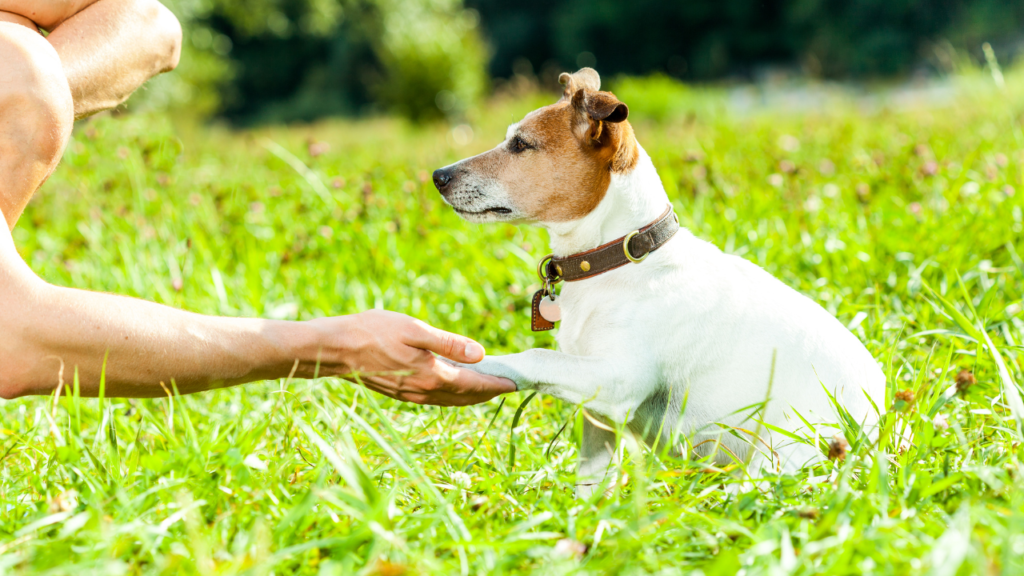
Think your dog is bored because they’re constantly pacing, barking, jumping, demanding attention, or getting into trouble?
More exercise and nonstop entertainment might not be the solution. Your dog may actually need more structure. Learn how consistent routines, clear boundaries, purposeful training, and intentional downtime can teach your dog how to settle and develop a reliable “off-switch.” The result?
A calmer, more confident dog who doesn’t need you to be their full-time entertainment—and a more peaceful, enjoyable life together.
Stop Blaming Reactivity: Your Dog May Just Be Overstimulated
Is your dog calm at home but completely loses it the second you go for a walk?
Pulling, barking, lunging, and ignoring you may not always mean your dog is reactive—they could be overstimulated.
Learn why too much excitement and not enough guidance can turn walks into chaos, plus simple dog training strategies to help your dog stay calmer, focused, and easier to handle on leash.
The Real Reason Your Dog Loses Their Mind on Walks
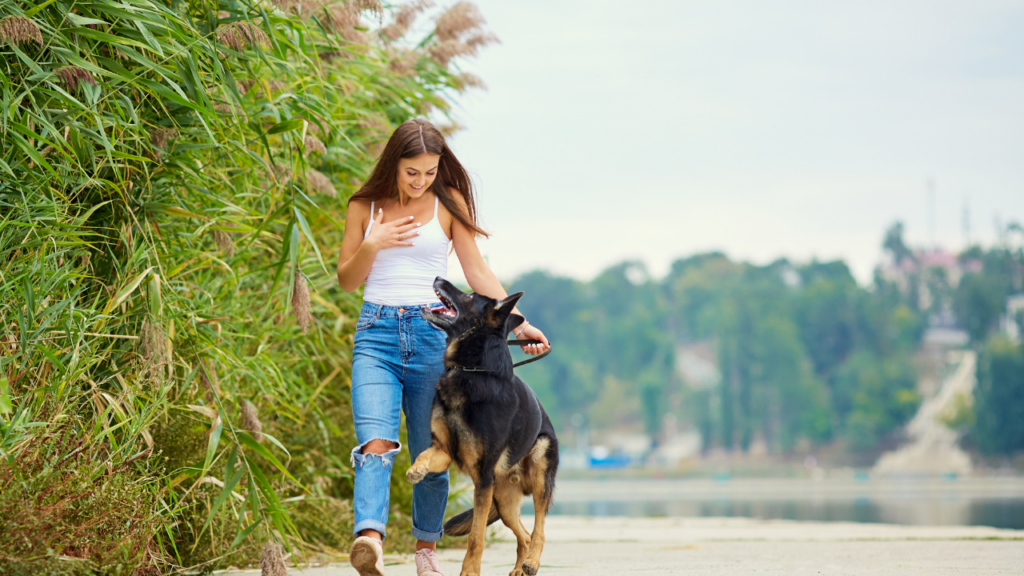
Does your dog relax peacefully at home but transform into a pulling, barking, distracted mess the moment you head outside?
This common behavior isn’t a sign of stubbornness—it’s often the result of overstimulation and a lack of emotional control in new environments.
In this article, you’ll learn why it happens, the mistakes many owners unknowingly make on walks, and how the right training can help your dog stay calm and confident anywhere in Utah County, Salt Lake City, and beyond.
Long Walks vs. Training Sessions: Which One Really Creates a Better-Behaved Dog?
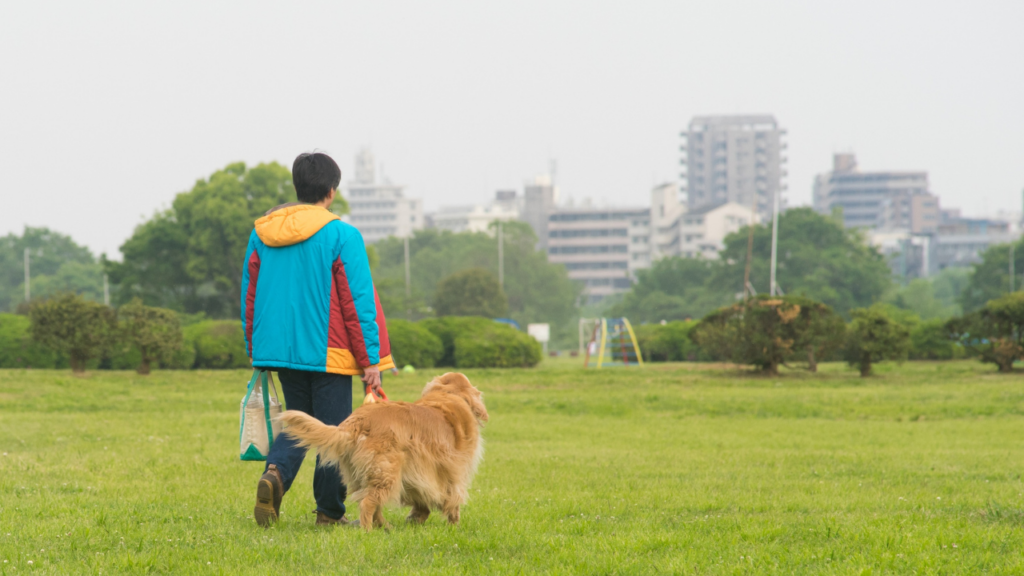
Many dog owners believe the secret to better behavior is simply taking their dog on longer walks.
But what if more exercise is actually making some behavior problems worse? While physical activity is essential, long, unstructured walks can build endurance while reinforcing habits like pulling on the leash, ignoring commands, and becoming overstimulated by the environment. In this article, you’ll discover why training sessions often produce better long-term results than endless miles, how structured walks teach self-control and focus, and why the combination of exercise and training creates a calmer, more enjoyable companion.
If you’ve been wondering why your dog is still hyper after an hour-long walk, this guide will help you understand what’s really happening—and how a smarter approach can transform your daily walks and your relationship with your dog.
How to Build Your Dog’s Confidence: A Complete Guide for Dog Owners
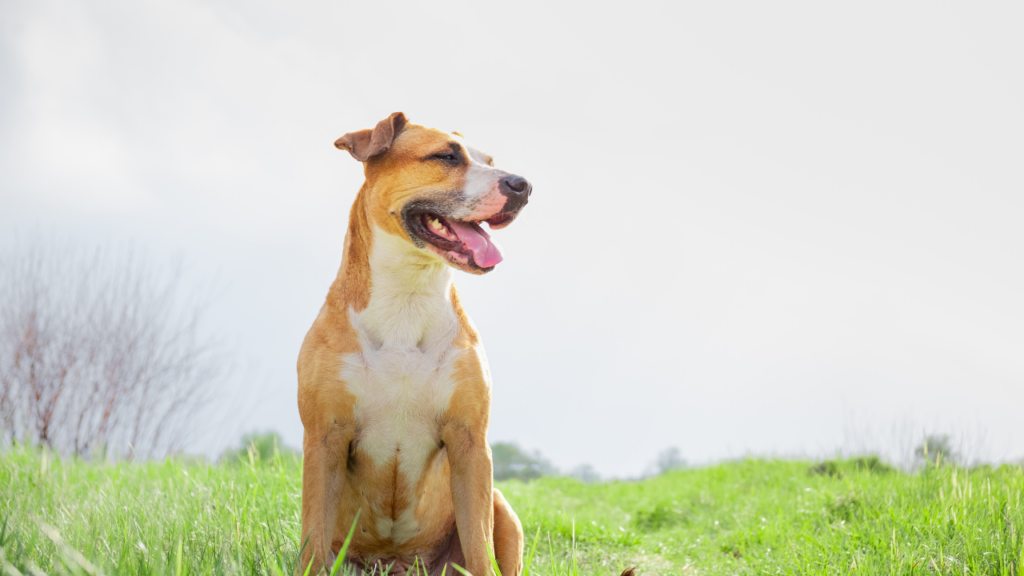
Does your dog bark at strangers, react to other dogs, or struggle with new situations?
Discover how to build your dog’s confidence through calm leadership, structured training, and simple daily routines. Learn the common mistakes that can unintentionally encourage fear and how to raise a calmer, happier, and more well-behaved dog with practical, proven techniques.
Perfect for dog owners looking for professional dog training advice in Utah County and Salt Lake City.
Protective or Possessive? The Truth About Dogs That Guard Their Owners

Is your dog truly protecting you, or are they acting out of fear and possessiveness?
Many owners mistake controlling behaviors for loyalty, but allowing your dog to make decisions about who can approach you can lead to stress, anxiety, and even aggression. In this guide, you’ll learn how to recognize the difference between protective and possessive behavior, why teaching trust is the key to a calm and confident dog, and the training techniques that create lasting results.
Whether you’re searching for expert dog training in Utah County or Salt Lake City, Utah, these practical tips will help you build a safer, happier relationship with your dog.