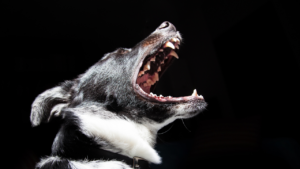
Most dog owners have asked it at least once: “Why is my dog aggressive out of nowhere?” And on the surface, it really can feel that way—one moment everything is fine, the next your dog is barking, lunging, or snapping. But here’s the truth: it’s not random, and it’s definitely not coming out of nowhere. Your dog is following patterns—clear, consistent, and predictable ones—that are easy to miss if you don’t know what to look for.
In this blog, we’re going to shift your perspective. Instead of focusing on the reaction, we’ll break down what’s happening before the behavior ever shows up. Because once you understand the patterns—those small signals, repeated triggers, and everyday habits—you gain something every dog owner wants: control, clarity, and a calmer life with your dog.
If you’re already dealing with this and want help identifying your dog’s specific patterns, you can reach out here:
How Your Dog’s ‘Random Aggression’ Is Actually Making Your Life Harder
Let’s be real for a second—when your dog shows what looks like “random aggression,” it’s not just their issue. It’s making your life harder in ways you feel every single day.
Think about your walks. What should be a simple, relaxing break turns into a stressful event. You’re scanning the environment, bracing for another dog, another person, another “moment.” Then it happens—barking, lunging, pulling—and suddenly you’re that person with that dog. It’s frustrating, it’s embarrassing, and it makes you want to avoid going out altogether.
Now let’s bring it inside your home. Having people over should be enjoyable, but instead, you’re managing your dog the entire time. You’re giving warnings before guests even walk in the door, watching every interaction, maybe even putting your dog away “just in case.” That tension? Your guests feel it. And more importantly—you feel it. Your home doesn’t feel as relaxed as it should.
And then there’s the constant background stress. Even when nothing is happening, you’re on edge. You’re thinking ahead, predicting problems, adjusting your routine to avoid triggers you don’t fully understand. That kind of mental load adds up fast. It takes the joy out of owning your dog and replaces it with management, worry, and frustration.
Here’s the shift I want you to make: this isn’t just about fixing a behavior your dog is showing. This is about improving your quality of life. Because what feels like “random aggression” is actually a series of predictable patterns that are quietly controlling your day-to-day decisions.
When you start recognizing those patterns, everything changes. Walks become manageable again. Guests feel welcome in your home. You stop living in a constant state of anticipation and start feeling in control.
This isn’t just your dog’s problem—it’s affecting your lifestyle. And the good news? Once you understand what’s really going on, it’s something you can absolutely change.
The Hidden Triggers That Are Costing You Time, Money, and Freedom
Let’s talk about what this is really costing you—because what looks like “random aggression” isn’t just a behavior issue… it’s quietly taking away your time, your money, and your freedom.
Start with the things you can’t do anymore.
You’ve probably skipped going to parks, avoided patios, or turned down opportunities to bring your dog along because you’re not sure how they’ll react. What should be simple—grabbing coffee, going for a walk in a busy area, enjoying time outside—turns into a calculated risk. And most of the time? It’s just easier not to go at all.
That’s not freedom. That’s limitation.
Now let’s talk money. These behaviors have a way of stacking up financially in ways most owners don’t expect. Maybe it’s damage in the house, replacing chewed-up items, or covering unexpected vet visits after an incident. Maybe you’ve already spent money on training that didn’t quite fix the issue, or you’re hesitating to invest more because you’re unsure what will actually work.
Either way, the pattern is the same:
👉 The longer the behavior continues, the more expensive it becomes.
And then there’s your time—arguably your most valuable resource.
You start rearranging your life around your dog. Walking at odd hours to avoid triggers. Managing environments instead of enjoying them. Planning your day based on what might set your dog off instead of what you actually want to do. That constant adjustment? It adds up fast.
Here’s the part most people don’t realize: none of this is random.
The reactions, the outbursts, the “unpredictable” moments—they’re all tied to specific triggers and patterns your dog has learned over time. Once you see those patterns, you start to realize something powerful:
👉 What your dog is doing is predictable—and it’s quietly limiting your life.
And anything predictable? That’s something you can work with. That’s something you can train through. That’s something you can change.
Because at the end of the day, this isn’t just about stopping a behavior. It’s about giving you your life back—your time, your money, and the freedom to actually enjoy your dog again instead of constantly managing them.
Why Ignoring the Warning Signs Turns Into Bigger, More Expensive Problems
Let’s talk about the part most dog owners don’t want to hear—but absolutely need to understand:
Ignoring the small warning signs doesn’t make the problem go away… it builds it.
That quick growl? The stiff body? The moment your dog freezes or pulls back? Those aren’t “no big deal” behaviors. Those are your dog communicating clearly:
👉 “I’m uncomfortable. I’m getting close to my limit.”
And when those signals get ignored—or worse, corrected or punished—your dog learns something dangerous:
“The small warnings don’t work.”
So what happens next?
They skip the warning.
That little growl you brushed off last week can turn into a snap. That snap can turn into a bite. Not because your dog is “bad,” but because they’ve learned escalation is the only thing that gets results.
Now we’re no longer dealing with a minor behavior. We’re dealing with risk.
And risk comes with real consequences.
First, the behavior doesn’t stay the same—it gets worse. Dogs don’t naturally grow out of these patterns. They practice them. Every time your dog reacts and nothing changes, the behavior becomes more ingrained, more intense, and more automatic. What used to take a big trigger now happens with smaller and smaller ones.
Then comes the financial side. Bigger problems mean bigger solutions. More intensive training, more time invested, and sometimes even medical bills if something goes wrong. What could’ve been addressed early and simply now requires a much larger commitment.
And then there’s the part most people don’t think about until it’s too late: liability.
If your dog bites someone—even in what you feel was a justified situation—you’re the one responsible. That can mean vet bills, legal issues, restrictions placed on your dog, or worse. Suddenly, this isn’t just a training issue—it’s a serious life situation.
Here’s the bottom line, and I say this as someone who’s worked with a lot of dogs in these exact scenarios:
👉 What you’re brushing off today could become a serious problem tomorrow.
The good news? Those early warning signs are actually an opportunity. They’re your dog giving you a chance to step in before things escalate. When you learn to recognize and respond to them properly, you stop the pattern early—and that’s where real progress (and real peace of mind) begins.
The 30-Second Pattern That Explains Every ‘Out of Nowhere’ Reaction
Alright, this is where things get exciting—because this is the moment you stop feeling confused and start feeling in control.
What if I told you that almost every “out of nowhere” reaction your dog has can be traced back to a 30-second window right before it happens?
No guessing. No mystery. Just a pattern you haven’t been shown how to see yet.
👉 If you can recognize this one pattern, you can start preventing the behavior immediately.
Here’s how it works.
Before your dog reacts—whether that’s barking, lunging, snapping, or shutting down—there’s a short sequence that always shows up:
- Trigger appears Another dog, a person, a sound, a situation.
- Your dog notices This is subtle. Ears shift. Eyes lock. Body changes slightly.
- Internal build-up Tension increases. Maybe they slow down, stiffen, or start fixating.
- Reaction This is the part you’ve been focusing on—but it’s actually the last step.
Most owners only notice step 4. That’s why it feels random.
But once you start watching that 30-second window before the reaction, everything changes.
Now let’s make this simple and actionable.
Next time you’re out with your dog, don’t wait for the explosion. Instead, ask yourself:
- What did my dog see first?
- What changed in their body right after?
- How long did it take before they reacted?
That’s your pattern.
And here’s the power move—once you see it, you can step in earlier.
You can create distance.
You can redirect focus.
You can guide your dog through the moment before it escalates.
That’s control.
Now instead of reacting to your dog, you’re leading them.
And that shift? That’s what every dog owner actually wants—whether they realize it or not. Less chaos, less stress, and a dog that feels manageable again.
Because your dog isn’t unpredictable. They’re just following a sequence that’s been repeating under the radar.
Once you see the pattern, you don’t just understand your dog better…
You start changing the outcome in real time.
Once you see the pattern, you don’t just understand your dog better—you start changing the outcome in real time.
And if you want to see how other dog owners are working through the exact same challenges (and getting results), come join the community here:
👉 https://www.facebook.com/groups/dogsunleashedutahcounty
Conclusion
At the end of the day, what feels like “random aggression” isn’t random at all—it’s a pattern that’s been repeating right in front of you. The frustration, the embarrassment, the limitations on your time and freedom… they all tie back to moments that were predictable, even if they didn’t seem that way before. The good news is, once you start seeing those patterns, everything shifts. You stop reacting and start leading. You catch the behavior earlier, make better decisions in the moment, and prevent problems before they escalate.
This isn’t about having a “perfect” dog. It’s about having a dog you understand—and a life that feels easier because of it. When you recognize what your dog is telling you and respond with intention, you don’t just change their behavior… you change your entire experience as a dog owner.