
When your dog reacts to something—whether it’s another dog, a person, or an environmental trigger—it can be an intense moment for both of you. As a balanced trainer, I know firsthand the value of using tools like prong collars and e-collars to address dog reactivity. But it’s not just about the tools; it’s about understanding what not to do after your dog reacts.
Too many owners make simple mistakes that set their training back or reinforce the very behavior they’re trying to eliminate. Let’s talk about what to avoid, why it matters, and how to get your dog on the path to a balanced life.
1. Don’t Comfort or Coddle
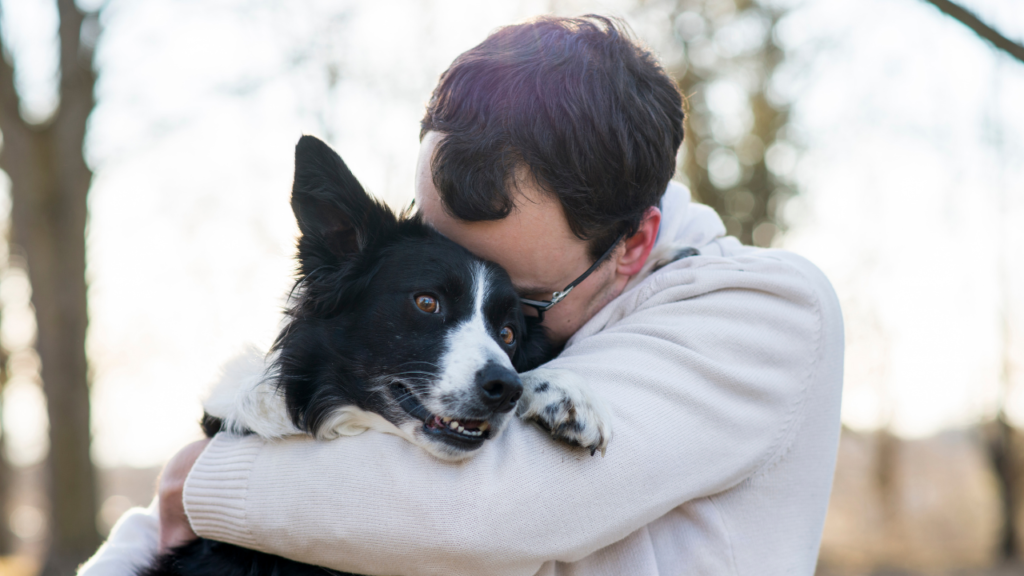
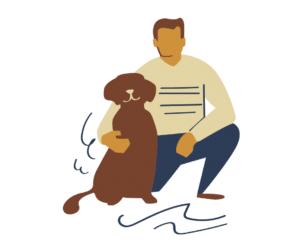
I get it. When your dog freaks out, the natural instinct is to console them like a child. But let me be clear—this is one of the worst things you can do. Dogs are not children. If you stroke them, baby talk them, or try to soothe them during or after a reaction, you’re reinforcing the exact behavior you want to eliminate. Your dog isn’t thinking, “My human is comforting me.” No, they’re thinking, “I’m scared, and my human approves.”
Reflect on that. Every time you coddle your dog after a reaction, you’re telling them that their behavior is acceptable. What’s the result? A dog that remains trapped in a reactive cycle, and you stuck trying to “fix” a problem that you’re unintentionally fueling.
2. Avoid Yanking or Yelling
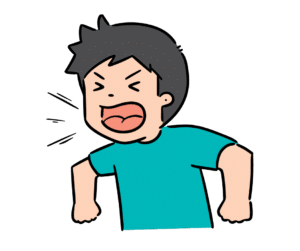
On the flip side, you also can’t let your frustration get the better of you. If you yank the leash or shout at your dog, you’re not training them—you’re confusing them. Yes, tools like prong collars and e-collars help control reactions, but they must be used with timing and precision. Jerking your dog around in a fit of frustration isn’t training; it’s a display of your lack of control.
Your dog mirrors your energy. If you’re angry and unhinged, your dog will be, too. Calm, confident corrections are the name of the game. After a reaction, take a breath, regroup, and then correct your dog with purpose, not out of anger.
3. Don’t Let Them “Shake It Off” and Move On
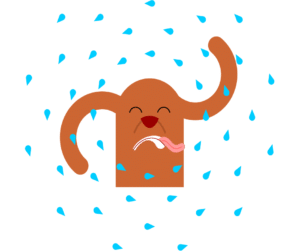
Some owners think it’s enough to just get past the moment. They allow the dog to shake off the incident and carry on like nothing happened. Let me stop you right there. That is a huge mistake. When your dog reacts, it’s not just a moment to brush off—it’s a sign that work needs to be done.
After a reaction, you need to take the time to regain control and reinforce the boundaries. Whether it’s by refocusing your dog with a command or guiding them into a calmer state, the worst thing you can do is let them walk away from the reaction unaddressed. It’s like allowing a child to throw a tantrum without any consequences—bad habits are formed, and you’ll see that behavior again.
4. Don’t Forget to Use Your Tools Properly
If you’re a balanced trainer like me, you know the value of using prong collars and e-collars as tools to guide your dog’s behavior. But here’s the thing—using them incorrectly is just as damaging as not using them at all. After your dog reacts, don’t just slap the collar or press the button without thought. You need timing, patience, and consistency.
Reflect on your approach. Are you using these tools to correct and redirect, or are you relying on them to control your dog’s reactivity without addressing the underlying issue? The prong collar or e-collar should be an extension of your leadership, not a crutch. Use them wisely, and your dog will follow suit.

5. Don’t Let Your Dog Dictate the Situation
This is a crucial one—your dog should not be in control. When your dog reacts, they’re trying to take charge of the situation. And if you allow it, they’ll continue to think they’re the decision-maker. After a reaction, you must reassert yourself as the leader. It’s not about being domineering; it’s about showing your dog that you’ve got the situation under control.
Letting your dog continue in a reactive state, or allowing them to dictate how the situation ends, is a massive mistake. Guide them back to calmness, correct the behavior, and reinforce that you’re the one calling the shots.

Reflect and Take Action
Dog reactivity is a challenge, but it’s not an insurmountable one. As a balanced trainer, I’ve seen time and time again how properly used tools, consistency, and a calm but assertive approach can transform a reactive dog into a well-adjusted companion. But it’s just as important to avoid these common mistakes as it is to implement the right techniques.
So, next time your dog reacts, stop and reflect. Are you reinforcing the behavior with comfort? Are you acting out of frustration instead of calm control? Are you allowing your dog to dictate the moment? Make the necessary adjustments, and you’ll see a change not just in your dog’s behavior, but in the entire dynamic of your relationship.
Don’t let reactivity control your dog’s life—or yours. Be the leader, be the guide, and be the calm in the storm. Your dog will thank you for it, and so will your future self.