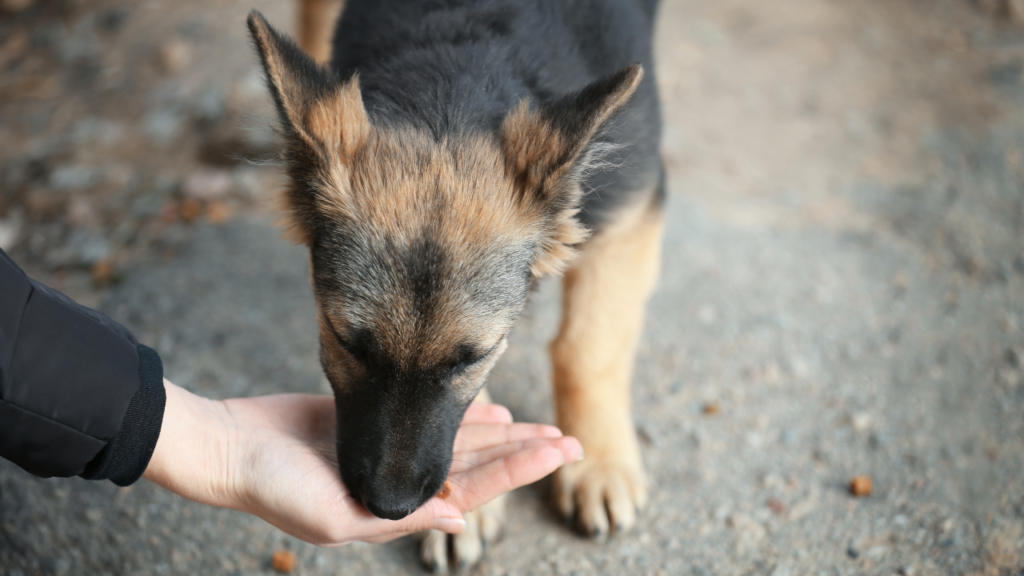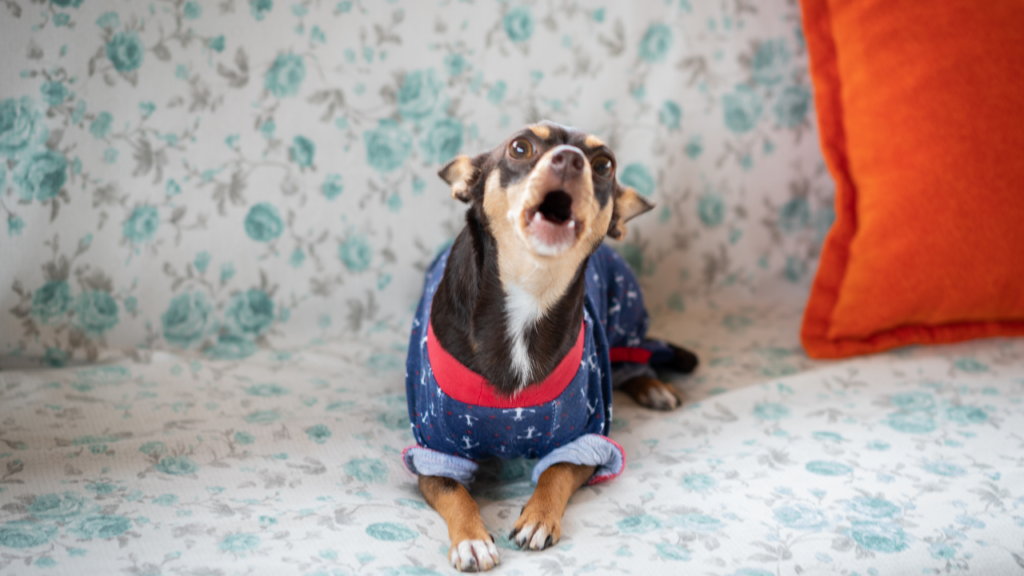

We all love a good play session with our dogs—tug-of-war, wrestling, or chasing each other around the yard. It’s fun, it’s bonding, and it burns energy. But here’s the question no one wants to ask: Is your dog actually playing… or practicing to dominate you?
Yep. That silly growl, that extra-hard tug, or your dog ignoring you mid-play might be more than excitement—it could be the start of a behavioral issue. And if you’re constantly walking away from play feeling frustrated, scratched up, or “outplayed,” it’s time to check who’s really in charge.
In this blog, we’re breaking down the difference between healthy play and subtle signs of control, so you can keep things fun without accidentally fueling bad behavior. Because play should be mutual—not a power struggle in disguise.
Why Your Dog Doesn’t Listen After Play: The Hidden Power Struggle
We’ve all been there—you’re having a blast playing with your dog, maybe some tug-of-war, a little wrestling on the floor, or a good game of chase in the backyard. But then, suddenly, your dog won’t listen. They ignore your recall, blow past boundaries, and act like you don’t even exist. You say “sit,” and they lunge for the toy again. You try to settle them down, and they jump all over you like you’re a trampoline.
Sound familiar?
This isn’t just a case of post-play zoomies or “overstimulation.” What’s often happening here is a subtle power shift—and your dog may be starting to see you less like a leader… and more like a littermate.
When roughhousing gets too wild—especially when your dog is the one setting the pace, choosing when to start and stop, or always “winning” tug—you’re unintentionally rewarding pushy, disrespectful behavior. Dogs are always learning, and if play becomes chaotic and boundaryless, you might be reinforcing the idea that commands don’t matter when we’re having fun.
And here’s where it gets tricky: many owners think they’re bonding during this kind of play. But what you’re really doing is giving up control—and once that line blurs, it’s hard to regain respect.
This is why so many people say, “My dog is great until we play, then they won’t listen at all.” It’s not the play that’s the problem—it’s the lack of structured rules inside the play.
✅ Are you the one starting and ending the game?
✅ Do you pause for obedience cues (like “drop it,” “sit,” or “stay”) mid-play?
✅ Does your dog get a chance to “win,” but not at the cost of ignoring you?
If you’re not doing these things, your dog is learning that fun equals freedom from rules—and that’s a recipe for bigger behavior issues.
The good news? You can still roughhouse with your dog. You can still have a blast! But you need to bring leadership into play, so your dog leaves the game more connected, not less.
Because the goal isn’t just to wear your dog out—it’s to build the kind of relationship where they want to listen to you… even when the toys are flying.
How Letting Your Dog ‘Win’ Can Make You the Real Loser
We all want our dogs to have fun—and hey, it’s cute when they “win” a game of tug, right? But here’s a question most dog owners never ask themselves: Is my dog winning the game… or winning control of the relationship?
If your dog is the one calling the shots during play—always deciding when the game starts, refusing to give the toy back, pinning you down during roughhousing, or ignoring you once the fun kicks in—you might be unknowingly building a little dictator in your home.
It’s not about being a control freak. It’s about understanding that dogs, by nature, thrive in structure. When they repeatedly “win” without working for it, or get away with pushy behaviors like jumping, stealing toys, and not listening mid-play, they’re learning one dangerous lesson: “I’m in charge when the fun starts.”
And this shows up outside of play too.
👉 Suddenly, your dog isn’t coming when called at the park.
👉 They snatch socks and sprint away instead of trading.
👉 They push past you at the door, ignore commands, or bark when you stop playing.
Sound familiar?
Letting your dog win once in a while isn’t the issue. In fact, in a structured training game, allowing them to “win” a tug or catch a toy can build confidence. But when winning comes without rules, you’re teaching your dog to value the game over your leadership.
Here’s how to take the power back without killing the fun:
✅ Always start and stop the game. Use commands like “ready” and “all done.”
✅ Practice “drop it” or “out” mid-game. Reward them for giving the toy up.
✅ Don’t tolerate jumping, mouthing, or over-the-top energy. Pause the play.
✅ Teach your dog that the fastest way to keep playing is to listen to you.
When your dog respects the rules of the game, they become more respectful overall. The play becomes a reward for good behavior—not a free-for-all where they get to be the boss.
So yes, let your dog win sometimes. But make sure you’re still the one writing the rulebook—because if you’re always losing control, the game might not be as harmless as it looks.
Avoid the Vet Bill: When Play Turns Into a Bite
Rough play can be a blast—wrestling, tug-of-war, and chase games are natural outlets for your dog’s energy. But when play gets too wild, things can take a dangerous turn—and it doesn’t take much for a fun moment to turn into a costly vet bill or a scared child.
Many owners brush off growling, nipping, or full-body tackling as “just play.” But here’s the truth: Dogs don’t always know when to stop. If your dog gets too hyped during roughhousing—especially without clear rules or breaks—they can escalate into bite mode before they even realize it.
This is particularly risky with kids in the mix. Children tend to squeal, flail, and run—which can kick your dog’s prey drive into overdrive. What starts as play quickly turns into chasing, jumping, and nipping. And because kids are smaller, a “play bite” from a dog can leave real damage.
Not to mention, your dog doesn’t need to be aggressive to cause harm. An overexcited dog can easily scratch a face, knock someone over, or clamp too hard during a game of tug. The result?
🚑 A trip to the ER.
💸 A surprise vet bill.
😬 A shaken child or guest who’s now scared of your dog.
So how do you keep play safe without killing the fun?
Here are your must-do’s:
✅ Teach a strong “out” or “drop it” command – If your dog won’t let go of the toy or keeps re-engaging without permission, it’s time to work on impulse control.
✅ Interrupt high-energy play often – Use quick training breaks (“sit,” “down,” “touch”) to bring the energy back down and keep your dog thinking.
✅ Watch for red flags – Wide eyes, stiff tail, hackles up, or nonstop barking mean your dog is tipping from excited into overstimulated.
✅ No roughhousing with kids – Period. Kids aren’t pack leaders. It’s your job to protect both your dog and your child from a bad experience.
At the end of the day, you’re not just avoiding accidents—you’re setting your dog up for success. Because safe play is smart play… and way cheaper than stitches.
Not sure how to tell when your dog is getting overstimulated during play or social time?
Check out this guide on reading those signs—it could help you prevent a meltdown before it happens.
Is Your Dog Playing With You—or Practicing to Dominate You?
We love when our dogs get playful—whether it’s a pounce, a tug, or a goofy growl, it feels like a bonding moment. But here’s something most dog owners don’t realize: not all play is harmless, and some of it is less about fun… and more about control.
Dogs are incredibly smart and socially aware. In a multi-dog setting, play is often used to establish rank. A well-timed pounce, a growl that lasts just a little too long, or constantly pinning another dog—these aren’t just games. They’re tests.
And your dog may be doing the same thing to you.
Ever feel like your dog is always deciding when play starts? Do they bark at you until you engage, grab the toy and refuse to give it back, or tackle you like it’s a football game? If so, they might not be “just playing”—they could be subtly trying to flip the roles and see what they can get away with.
This kind of play might seem cute now, but it sets the tone for bigger issues later. A dog who “wins” every interaction—especially one who ignores your commands during play—is being rewarded for ignoring you. That leads to power struggles during leash walks, meals, and even just getting them to come inside.
And let’s be real: some owners don’t notice because they’re focused on how fun the moment feels. But when the play is over, they’re the ones saying:
👉 “Why won’t my dog listen to me?”
👉 “Why does he jump on me when I try to stop playing?”
👉 “Why does she growl when I take her toy away?”
If this sounds familiar, don’t panic. The fix isn’t to stop playing—it’s to play with purpose.
✅ Start and stop every game on your terms.
✅ Use commands like “sit,” “wait,” or “drop it” throughout play to maintain leadership.
✅ Reward calm engagement, not demanding behavior.
✅ If your dog gets too pushy, the game ends immediately.
When your dog learns that fun happens through you, not in spite of you, they stop testing boundaries and start respecting them.
Because in your home, playtime should be fun—but you’re still the boss.
Want more real-life examples or advice from other local dog owners dealing with the same thing?
Join our Dogs Unleashed Utah County Facebook group and be part of the conversation.
Conclusion
At the end of the day, play isn’t just about burning energy—it’s shaping your dog’s behavior, mindset, and relationship with you. What feels like harmless roughhousing can easily cross into power struggles if there aren’t clear rules. Whether your dog is ignoring commands after play, getting too mouthy, or starting to “call the shots,” it’s a sign to step back and add some structure.
You don’t have to stop having fun—in fact, when done right, play becomes one of your most powerful training tools. It teaches respect, self-control, and trust. So don’t just play hard—play smart. Be the one who starts and ends the game, enforces the rules, and turns every tug or wrestle into a chance to build a better bond.
Because a well-played dog isn’t just tired… they’re trained.
Ready to turn chaotic play into calm, respectful fun? Let’s get you and your pup on the right track.
Contact Be the Boss Dog Training here to schedule a session or ask questions. We’d love to help!