
Okay, okay. This title might be “click bait”. But hear me out.
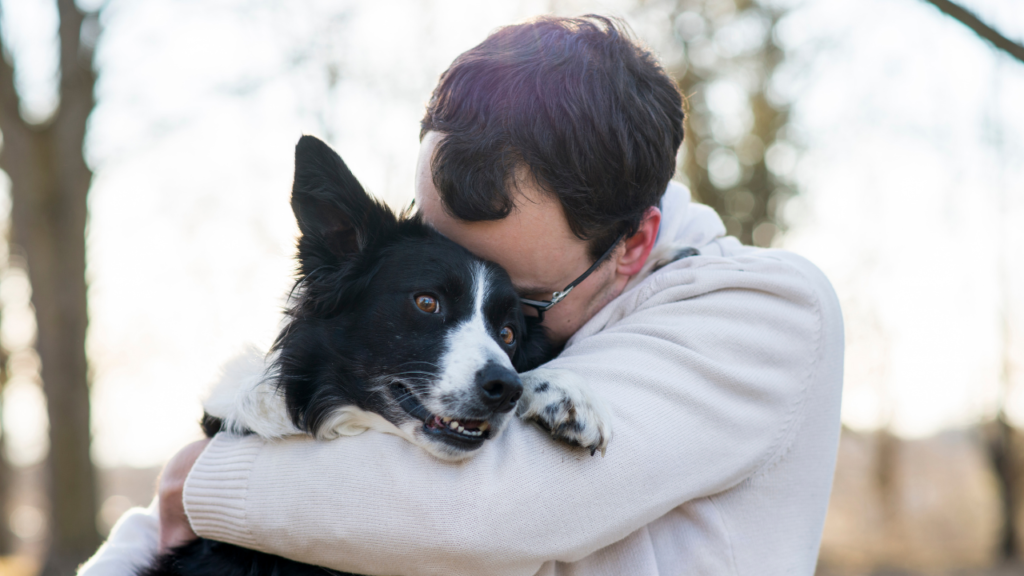
Killing your dog with affection sounds extreme, but it’s really not. I saw it happen all the time with my foster dogs. These dogs would come to me with no chances left. They had bite records and massive anxiety….all because of too much affection.
I see the beginnings of it in my client’s dogs that I train now. And I tell all of them the SAME thing:
STOP GIVING YOUR DOG AFFECTION
Giving affection to a dog is like feeding your kid on a diet of candy. It causes health issues, attention deficit issues, and major behavioral issues. You get dogs that don’t listen, jump, bark and yes, even bite. And by giving unearned affection you are ENCOURAGING these behaviors. You are telling them whatever they decide to do is okay with you.
And here’s where it gets dangerous. You know how your dog barks and lunges at strangers? When you bend down (or pick them up) and talk soothingly to get them to stop…you are training your dog to be aggressive. With petting and soft soothing tones you are telling your dog it is a GOOD thing for them to be scared and to bark and lunge.
“But Bethany”, you say, “is there ever a time I can give affection to my dog?”
Absolutely! But hey…how about they EARN it first? How about you treat your dog, and hear me out here…like a dog? You need to love your dog how THEY need to be loved. And dogs need to be loved by providing them with rules, with boundaries, and correcting them when they do stupid and harmful behaviors.
I am a dog trainer and I give my dogs all the love in the world. They get lots of squeezable hugs, and soft baby voices, and kisses. But guess what? They also get lots of crate time, lots of structured walks, and yes…even corrections for behaviors I don’t want.
Stop giving your dogs too much affection. Love your dog so they can be mentally healthy and happy, and not the way that only makes YOU feel good.
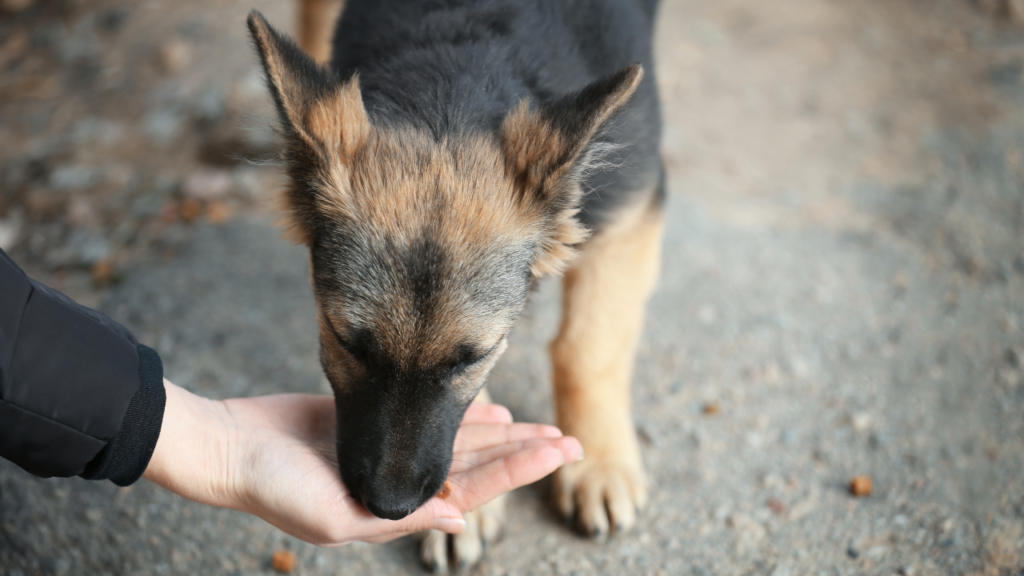
The Hidden Downside of Hand-Feeding Your Dog
Hand-feeding can be a great training tool—but what happens when your dog starts depending on it?
Learn how too much hand-feeding can create unwanted habits, the difference between rewarding and bribing, and how to raise a confident dog who listens even when there’s no treat in your hand.
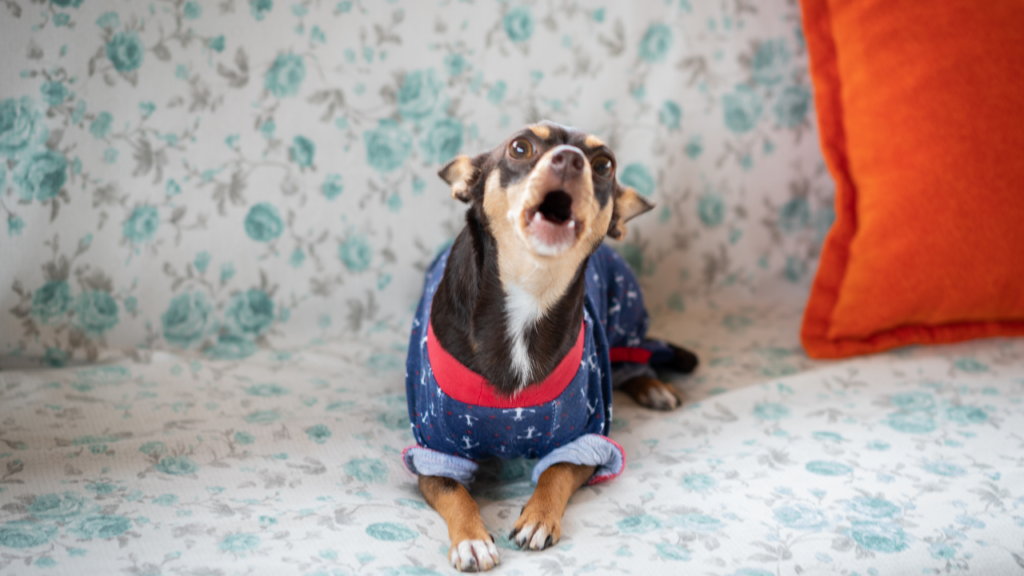
How Too Much Visual Access Fuels Dog Reactivity
Is your dog constantly barking at people, delivery drivers, dogs, or squirrels outside?
Too much visual access could be fueling their reactivity.
Learn how windows, open floor plans, and neighborhood “watch duty” can encourage barking—and discover simple changes that can help your dog settle down and give you a quieter, more peaceful home.
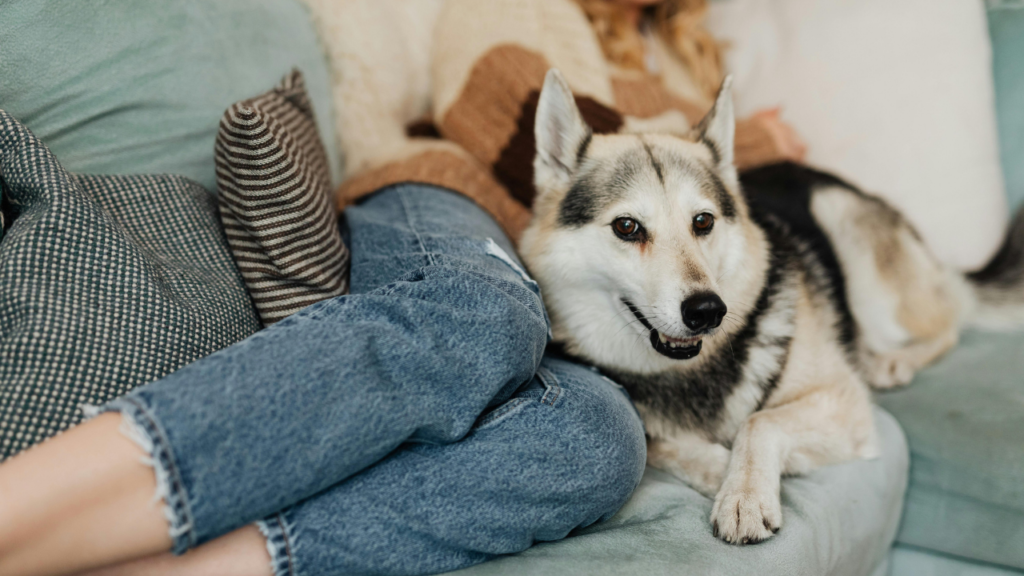
Why Clear Communication Changes Everything
Think your dog is stubborn, ignoring you, or deliberately testing your patience?
The truth might be simpler: your dog is constantly reading your body language, tone, timing, consistency, and follow-through. When those signals don’t match what you’re saying, your dog can become confused about what you actually want.
Discover why your dog may listen perfectly to a trainer but struggle with you, why repeating commands can make things worse, and how clearer communication can lead to less frustration, better behavior, and a stronger relationship with your dog.
Stop Negotiating With Your Dog: Make Your First “No” Count
Your dog isn’t ignoring you by accident—they may have learned that if they wait long enough, you’ll give in.
From leash pulling and jumping to selective listening and treat bribery, inconsistent boundaries can accidentally reinforce the behaviors driving you crazy.
Learn how calm, consistent follow-through can help you stop repeating yourself, communicate more clearly, and build a dog that actually listens the first time.