When I was 13 my church group had us write down a few characteristics of the type of person we would like to marry. Being a teenager my first three were: tall, dark and handsome. Ha ha.
Once I got past that, my next few items were: smart, funny, compassionate and loving. While this list is just being used as an example, the point I’m trying to make is this: when we make big decisions in our life we usually plan all (or some) of the decisions beforehand.
A lot of people rush into getting a dog because “look how cute!”, or “we have a kid and a house now it’s time for a dog”, or “maybe the dog will make me happy”.
We fail to realize that the dog we just chose will be with us for the next 12-15 years.
What if you chose your significant other the same way you chose your dog? I chose my first dog because he had cute eyes. Trust me, I dated guys with cute eyes who I consider myself lucky to have escaped.
What if you chose your car the same way you chose your dog? Would you choose your next car SOLELY on the fact that you saw a Toyota in the newest movie? Of course not.
When it comes to choosing a dog you should be approaching it with optimism AND planning.
What is your lifestyle like? How committed are you to this relationship? Does the dog’s personality fit with a houseful of kids…or no kids? A sedentary lifestyle…or active one?
The best way to get a dog is to have a “trial period”. Rescues are great places to get a dog, and most of them offer this option. Take the dog home for the weekend and see how they fit with your lifestyle.
Meet the parents, talk about how many kids you want to have, do they have any debt, what is their medical history like? Okay, okay, I’m getting side tracked with some things I did (or should) have asked my significant other before marrying. Ha ha!
I guess what I’m trying to say is this is a LONG relationship you are about to start. Treat it with the same respect you would make with any other investment, you owe that to yourself and to the dog.
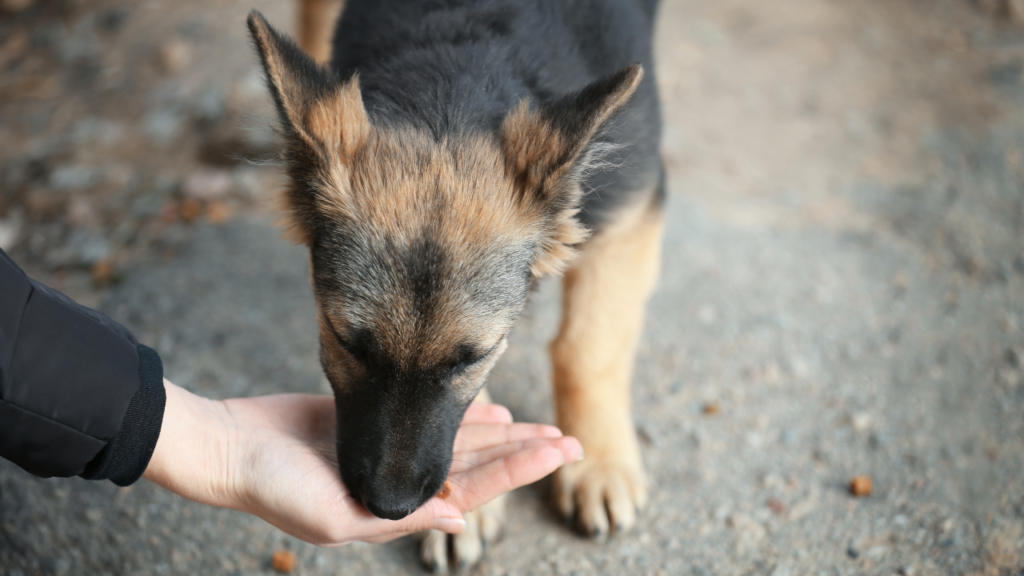
The Hidden Downside of Hand-Feeding Your Dog
Hand-feeding can be a great training tool—but what happens when your dog starts depending on it?
Learn how too much hand-feeding can create unwanted habits, the difference between rewarding and bribing, and how to raise a confident dog who listens even when there’s no treat in your hand.
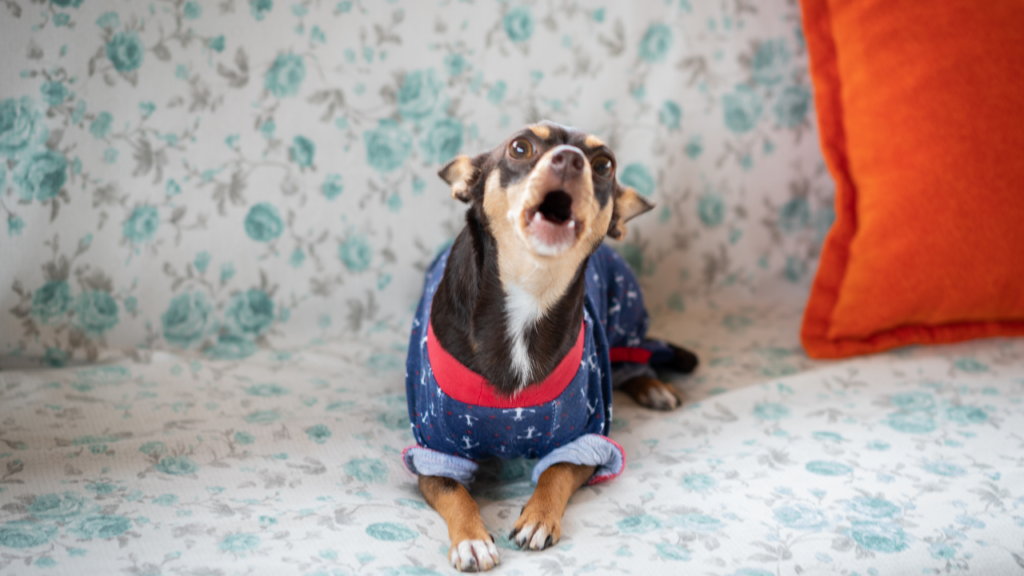
How Too Much Visual Access Fuels Dog Reactivity
Is your dog constantly barking at people, delivery drivers, dogs, or squirrels outside?
Too much visual access could be fueling their reactivity.
Learn how windows, open floor plans, and neighborhood “watch duty” can encourage barking—and discover simple changes that can help your dog settle down and give you a quieter, more peaceful home.
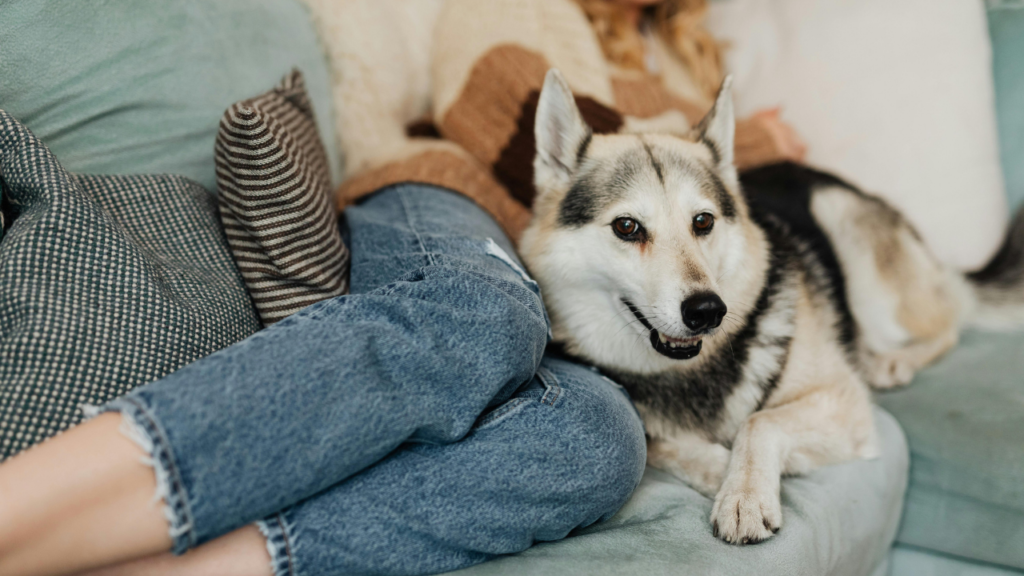
Why Clear Communication Changes Everything
Think your dog is stubborn, ignoring you, or deliberately testing your patience?
The truth might be simpler: your dog is constantly reading your body language, tone, timing, consistency, and follow-through. When those signals don’t match what you’re saying, your dog can become confused about what you actually want.
Discover why your dog may listen perfectly to a trainer but struggle with you, why repeating commands can make things worse, and how clearer communication can lead to less frustration, better behavior, and a stronger relationship with your dog.
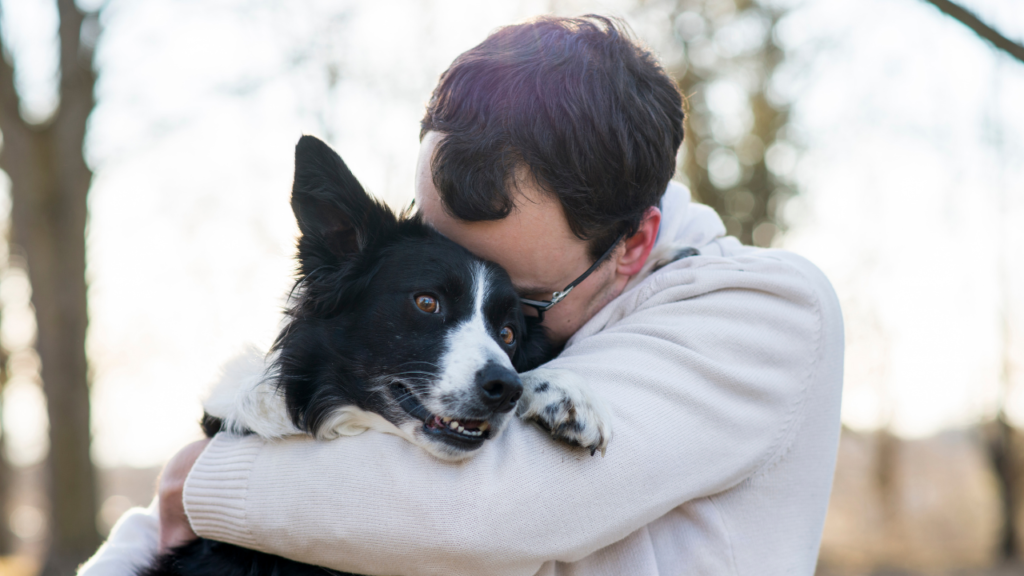
Stop Negotiating With Your Dog: Make Your First “No” Count
Your dog isn’t ignoring you by accident—they may have learned that if they wait long enough, you’ll give in.
From leash pulling and jumping to selective listening and treat bribery, inconsistent boundaries can accidentally reinforce the behaviors driving you crazy.
Learn how calm, consistent follow-through can help you stop repeating yourself, communicate more clearly, and build a dog that actually listens the first time.