
Have you ever wondered why your dog reacts so intensely to certain triggers? Maybe it’s the sound of a doorbell, the sight of another dog, or the approach of a stranger. Whatever the trigger, the roots of this behavior often trace back to one critical period in your dog’s life: their early weeks and months.
This isn’t just a matter of training. It’s psychological. It’s about the way your dog’s brain develops, absorbs the world, and forms connections—both good and bad. And if you want to understand your dog’s reactivity, you have to understand the power of their earliest experiences.

The Brain is a Sponge…Until It’s Not
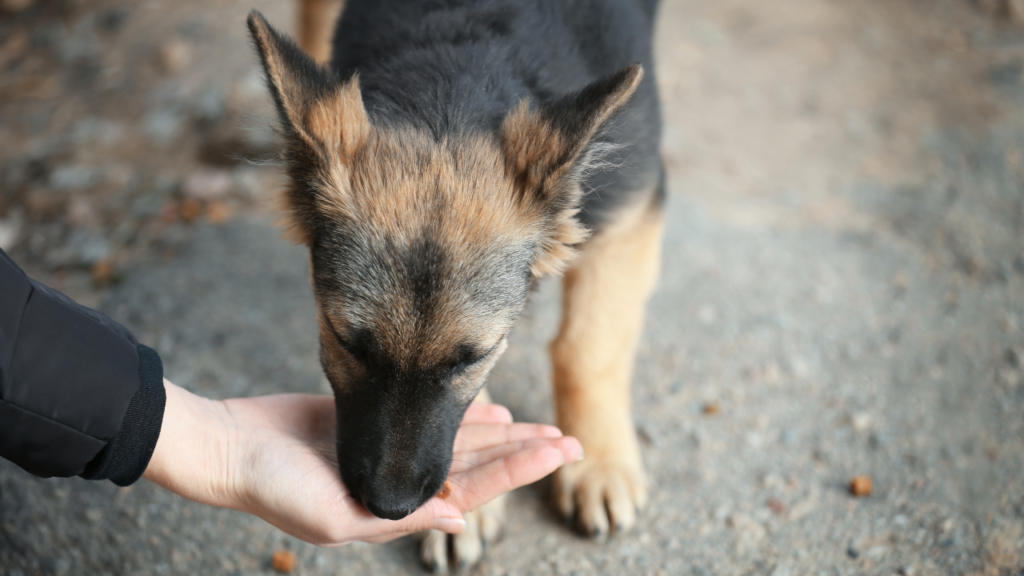
During the first few weeks of a puppy’s life, their brain is a sponge, absorbing every sound, sight, and sensation with astonishing efficiency. This period, often called the critical socialization window, typically lasts from about 3 to 14 weeks. During this time, your dog’s brain is actively forming associations. It’s not just learning; it’s wiring. And what your puppy experiences—or doesn’t—in this phase will shape how they perceive the world for the rest of their life.
Imagine this: if a puppy never meets another dog during this window, their brain doesn’t wire for familiarity with other dogs. Instead, it wires for uncertainty. You may not even notice this gap until months later when your now-adolescent dog barks uncontrollably at every dog they see. That reaction isn’t random; it’s the brain screaming, “I don’t know what this is! And because I don’t know, it must be dangerous.”
The Role of Positive and Negative Imprints
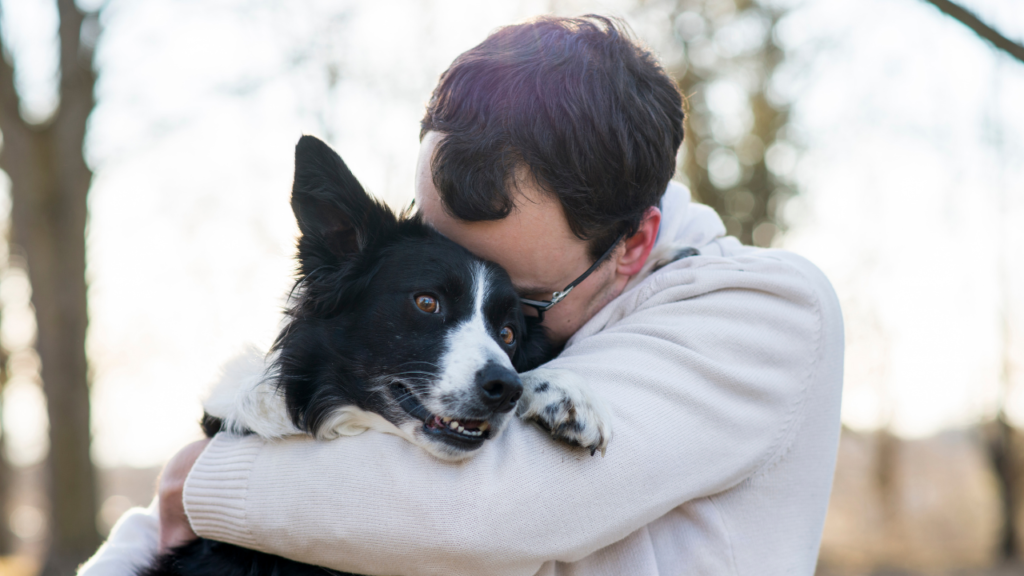
Here’s where it gets even more psychological. Dogs aren’t born with a manual for interpreting the world. Instead, they rely on early experiences to determine what’s safe and what’s threatening. Positive encounters—like gentle handling, meeting friendly dogs, and exploring new environments—teach your dog that the world is generally a good place. But negative experiences, or even the absence of experiences, can have the opposite effect.
For example, let’s say your puppy is exposed to loud noises but never in a way that feels safe. Maybe a car backfired nearby, and no one reassured them. That single moment can leave a lasting imprint, making every loud noise feel like a threat. On the flip side, if a puppy is gradually introduced to loud sounds while being comforted or rewarded, they learn resilience.
This is the psychology of association: the brain ties emotions to experiences, creating a roadmap for future behavior.

The Psychological Impact of Isolation
One of the most detrimental things that can happen during a puppy’s early life is isolation. Without exposure to the wide array of stimuli they’ll encounter as an adult, the brain develops a skewed perception of normalcy. Dogs raised in overly quiet or sterile environments often struggle with reactivity because they haven’t been equipped to handle the unpredictability of the real world.
Think about how you react when something unfamiliar or overwhelming happens. Your body tenses, your heart races, and your mind immediately searches for an explanation. Now imagine feeling that way every time you’re introduced to something new. That’s what an under-socialized dog experiences daily.
You Can’t Change the Past, But You Can Shape the Future
If your dog is already reactive, it’s tempting to feel helpless. But here’s the truth: while you can’t erase early experiences, you can reshape your dog’s perception moving forward. This process, called counter-conditioning, works by rewiring the brain’s associations.
Let’s return to the dog who reacts to other dogs. By pairing the sight of another dog with something positive—like a favorite treat or toy—you’re teaching their brain a new lesson. Over time, the brain learns: “Other dogs don’t mean danger; they mean good things.”
It’s slow work. It’s psychological work. And it requires your patience and commitment. But it’s also transformative.

What Does This Mean for You?
Your dog’s reactivity isn’t just a behavior problem. It’s a window into their past, their brain, and their emotions. By understanding the role early experiences play, you gain a powerful tool: empathy. You begin to see your dog’s reactions not as defiance or stubbornness, but as an expression of a brain shaped by its environment.
So, ask yourself: what experiences are you giving your dog today? Whether they’re a young puppy in their critical window or an older dog with a history, every interaction matters. And with every moment, you’re shaping the dog they’ll become.
Because in the end, reactivity isn’t just about what your dog does—it’s about how they feel. And how they feel is something you can help them change.