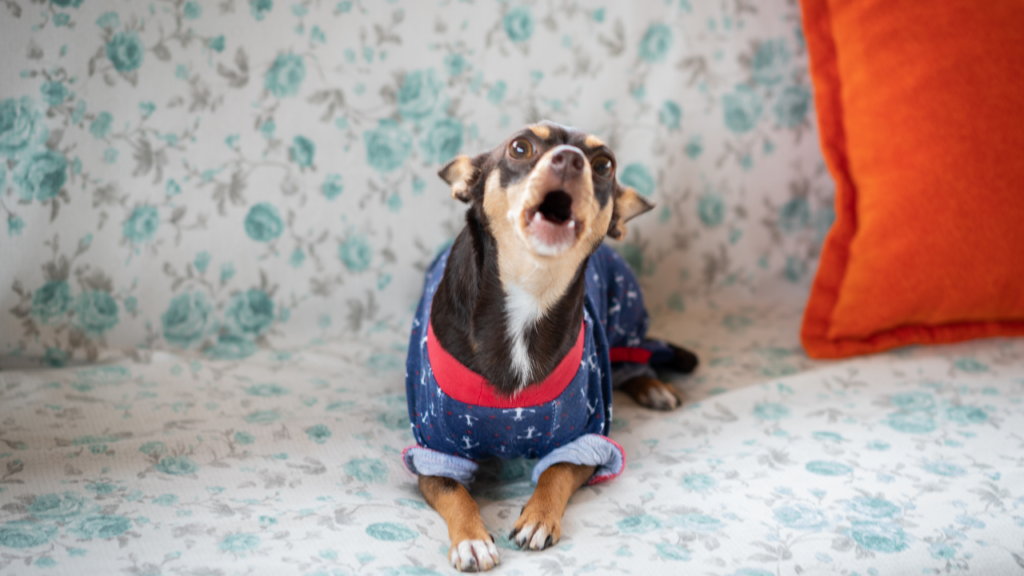
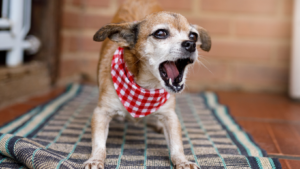
When you think of a small dog, what comes to mind? Maybe it’s a yappy terrier barking furiously at a dog four times its size, or a Chihuahua growling at your ankles as if you’re an existential threat. We’ve all seen it—small dogs with outsized personalities acting as though the weight of the world rests on their tiny shoulders. But here’s the real question: why? Why do small breeds so often exhibit behavior that’s exaggerated, defensive, and, frankly, over the top?
Let’s break it down—because this isn’t just about your dog. It’s about you.

The Psychological Roots of Small Dog Syndrome
Small Dog Syndrome isn’t a breed trait; it’s a behavioral reaction—a learned response to an environment shaped, directly or indirectly, by the humans around them. That’s right, this phenomenon didn’t just spring up from some mysterious genetic quirk. It evolved through psychology, shaped by how small dogs are treated, handled, and perceived.
Imagine this: you’re a 10-pound creature in a world built for 150-pound beings. People tower over you, giant objects loom around every corner, and the only thing keeping you from being stepped on is your ability to make yourself seen or, more importantly, heard. What would you do? You’d overcompensate too.
The Role of Human Projection
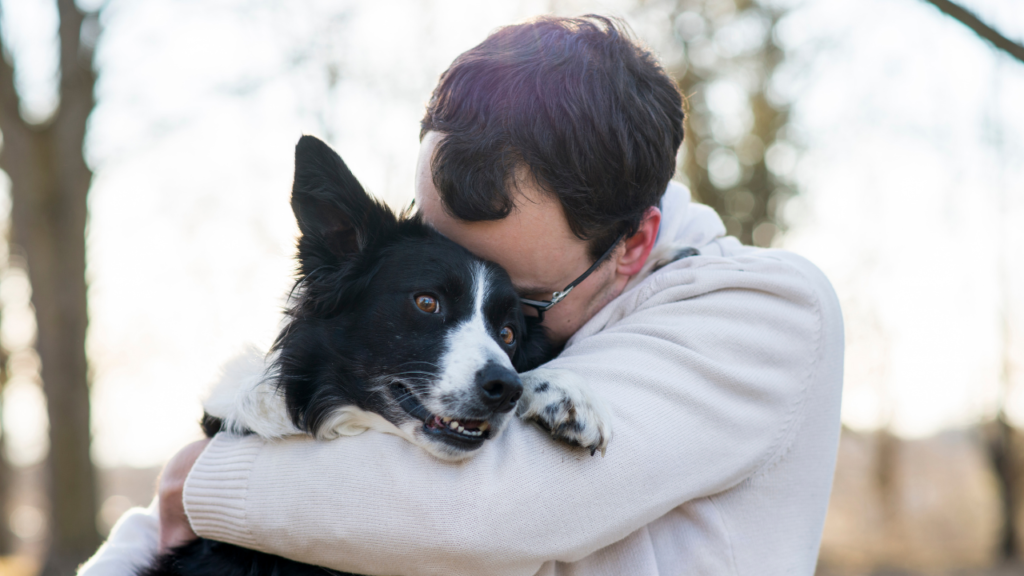
Here’s the kicker: small dog behavior mirrors the insecurities of their owners. Yes, I’m looking at you. Every time you pick up your small dog to “protect” them from a larger dog, you’re sending a loud and clear message: “You’re weak, and you can’t handle this on your own.” They internalize that. They learn that the world is a dangerous place and that their survival depends on appearing tougher than they feel.
Or maybe you’re guilty of letting bad behavior slide because, “It’s cute when he growls,” or, “She’s too small to do any real damage.” These excuses foster a sense of entitlement in your dog, creating a vicious cycle of misbehavior and reinforcement. And let’s not forget: you wouldn’t let a 60-pound dog jump on guests or bark incessantly, so why is it okay for your 6-pound Maltese?

The Overcompensation Factor
Small dogs aren’t born with Small Dog Syndrome; they develop it as a survival mechanism. It’s a psychological tactic to make up for their physical vulnerability. This overcompensation is deeply ingrained in the dog’s psyche, fueled by both their environment and the behaviors of their owners.
But here’s the uncomfortable truth: you’ve conditioned this behavior. Whether through coddling, inconsistency, or outright ignoring their boundaries, you’ve allowed them to believe that acting out is their best strategy for survival.
How to Fix It—And Yourself
This is where the rubber meets the road. If you want to see a change in your small dog’s behavior, it starts with you. You need to stop seeing them as “just a small dog” and start seeing them as a dog. Period.
- Set Boundaries: Just because they’re small doesn’t mean they don’t need discipline. Consistent rules and expectations create a sense of security.
- Stop Overprotecting: Let your dog face the world. They need to experience situations—even uncomfortable ones—to learn how to navigate them confidently.
- Control Your Energy: Dogs mirror our emotions. If you’re anxious, they’ll be anxious. If you’re calm, assertive, and confident, they’ll follow suit.
- Train, Don’t Coddle: Training builds trust and understanding. Coddling builds fear and insecurity. Teach your dog to rely on their abilities, not your indulgence.
The Bigger Picture
Small Dog Syndrome isn’t about your dog being “annoying” or “dramatic.” It’s about survival instincts gone haywire in an environment that’s sending mixed signals. And at the core of it all is you—their handler, their protector, their guide.
You have the power to reshape this narrative. By addressing your own behavior, you’ll give your small dog the confidence to be calm, balanced, and secure. So ask yourself: are you ready to stop enabling the problem and start being part of the solution?
Your small dog is counting on you. Don’t let them down.