
MY NEIGHBORS SHUNNED ME…NOW, THEY LOVE ME

º

Every neighborhood has one. That ONE neighbor that keeps junk on their lawn, or reports every little annoyance to your HOA. That person you smile and wave at, but secretly you’d throw a party if they moved away.


Well, I used to be that neighbor.
Neighbors would walk on the other side of the street to avoid my home. When I WAS home, no one would come and visit. And when I took walks in the neighborhood people gathered their children around them.


The embarrassment, the shame, and the GUILT I felt made me feel like a terrible person.
So, did I smell bad? Was I mean to others? Did I have a disfigurement that made others uncomfortable?
Nope. I had dogs with bad behavior. They RULED my life. Neighbors crossed the street because my dogs would bark, paw and slam at the windows of my house when they walked by.
No one came over because my two 70-lb dogs would jump, scratch and hurt anyone who came through the door.


And when I took walks with them through the neighborhood they would lunge, growl and jump at children and scare them. They even attacked other dogs. No wonder parents gathered their children around them!


I was embarrassed, ashamed, and most of all…felt GUILTY that my dog’s behavior was my fault. That not only was I a bad dog OWNER, I was also a bad PERSON for not taking responsibility for my dogs.
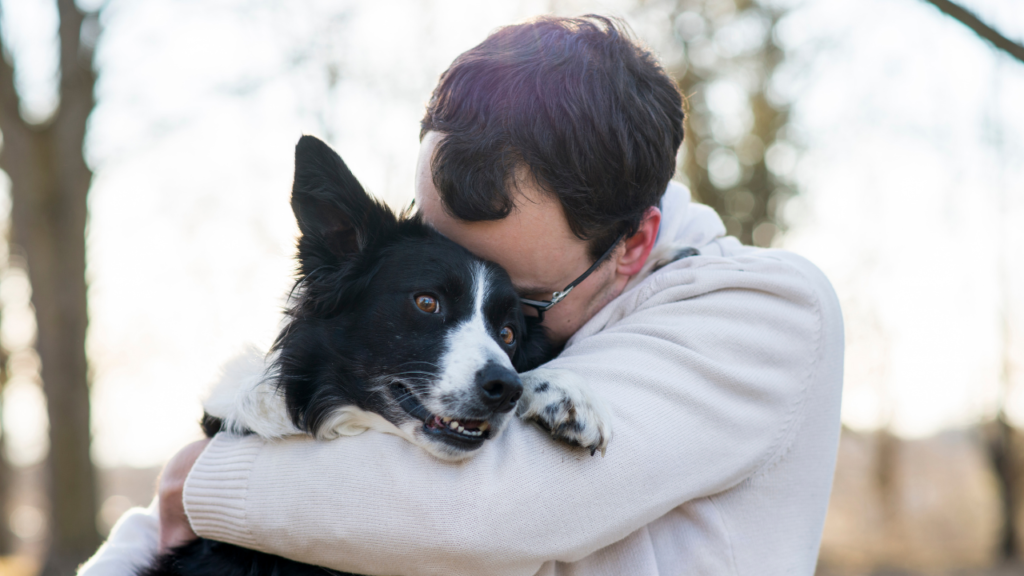
NOW…my neighbors and their kids love seeing me! Their kids come running up to pet my dogs…and I’m known as the “dog lady” around the neighborhood.


Some of the things I hear the neighbors say? “Your dogs are so well behaved!”….
“I’m glad my kids can pet your dogs…they are usually afraid of animals.”…
And, “When we get a dog will you please train it?”
So what changed? Did I get new dogs? Or put them on medication?
Nope. I learned how to talk to my dogs. I learned how to tell them what was acceptable and what was not.


Now, my neighbors love seeing me. It’s a great feeling to have, and I’m sure my neighbors are happy as well!

More Tips

Check out our other posts

The Dog Training Secret Most Owners Overlook

You walk your dog, play fetch, and make sure they get plenty of exercise—so why are they still barking, pulling on the leash, jumping on guests, or acting restless at home?

The answer may be simpler than you think. Many behavior problems aren’t caused by a lack of physical exercise but by a lack of mental stimulation. In this article, you’ll discover why mental exercise is essential for your dog’s well-being, how just a few minutes of brain work can reduce unwanted behaviors, and simple ways to create a calmer, more focused, and better-behaved dog.

Read More »

Your Dog Has 5 Bosses—and That’s the Problem

Think your dog is stubborn? Think again.

Many behavior problems—from ignoring commands and pulling on the leash to jumping on guests and begging at the table—aren’t caused by a lack of training. They’re caused by confusion. When family members use different commands, enforce different rules, or reward different behaviors, dogs are left guessing what’s expected of them.

In this article, you’ll discover how inconsistency creates hesitation, why your dog may listen to some people but not others, and the simple changes that can transform confusion into confidence.

Read More »

The Hidden Psychology Behind Dog Regression After Travel

Did your dog suddenly stop listening after boarding or vacation?

You’re not alone. Many dogs regress after travel because changes in routine reset their expectations and create confusion.

In this blog, you’ll learn the real psychological reason dogs test boundaries after vacations, how accidental habits reinforce bad behavior, and the simple “vacation reset” smart dog owners use to get their dogs listening again fast.

Read More »

Fear Looks Like Obedience… Until It Falls Apart

Many dog owners mistake silence and compliance for calm behavior, but a dog that appears obedient may actually be emotionally shut down from fear or pressure.

In this blog, we break down the critical difference between true calmness and shutdown behavior, why fear-based obedience often falls apart in public, and the hidden long-term consequences of “quick fix” training methods.

Learn how emotional stability, trust, and confidence create a more reliable dog — and a much easier life for owners.

Read More »