Yup, we’ve all heard it.
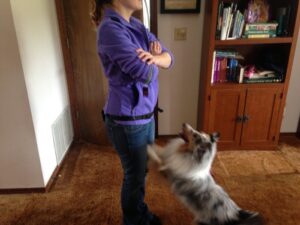
“Just ignore your dog’s barking/jumping/biting and they will stop.” As Dr. Phil so elegantly puts it: How’s that working for you? Well, I don’t know about you, but it never came close to working for me.
Ignoring bad behavior is not just bad advice, it’s dangerous advice. I would never tell my 5-year-old nephew (or 90-year-old grandma) to ignore a jumping dog. I want the people in my home to be safe and secure, and a jumping dog could create injuries.
Stopping a bad behavior requires one simple step. You need to correct your dog.
What does that mean? I will explain.
Correcting a dog means that whatever behavior you want to stop needs to be uncomfortable for the dog.
I don’t care what you tool you use (or don’t use) to stop this behavior. You can pop the leash, use a remote collar, shake a can of pennies, or use a squirt gun…as long as the behavior stops.
If you squirt your dog with water and they continue jumping/barking…that method obviously doesn’t work. Try something else. One method of correction might work for jumping, but you might need another for barking or nipping.
Please do not just ignore bad behavior. Not saying no is always saying yes.
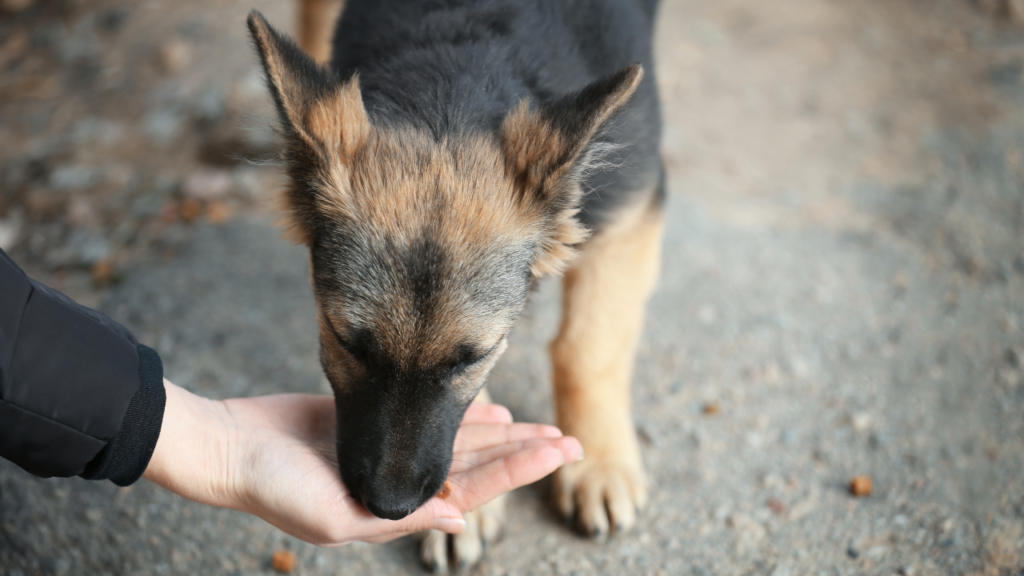
The Hidden Downside of Hand-Feeding Your Dog
Hand-feeding can be a great training tool—but what happens when your dog starts depending on it?
Learn how too much hand-feeding can create unwanted habits, the difference between rewarding and bribing, and how to raise a confident dog who listens even when there’s no treat in your hand.

How Too Much Visual Access Fuels Dog Reactivity
Is your dog constantly barking at people, delivery drivers, dogs, or squirrels outside?
Too much visual access could be fueling their reactivity.
Learn how windows, open floor plans, and neighborhood “watch duty” can encourage barking—and discover simple changes that can help your dog settle down and give you a quieter, more peaceful home.

Why Clear Communication Changes Everything
Think your dog is stubborn, ignoring you, or deliberately testing your patience?
The truth might be simpler: your dog is constantly reading your body language, tone, timing, consistency, and follow-through. When those signals don’t match what you’re saying, your dog can become confused about what you actually want.
Discover why your dog may listen perfectly to a trainer but struggle with you, why repeating commands can make things worse, and how clearer communication can lead to less frustration, better behavior, and a stronger relationship with your dog.
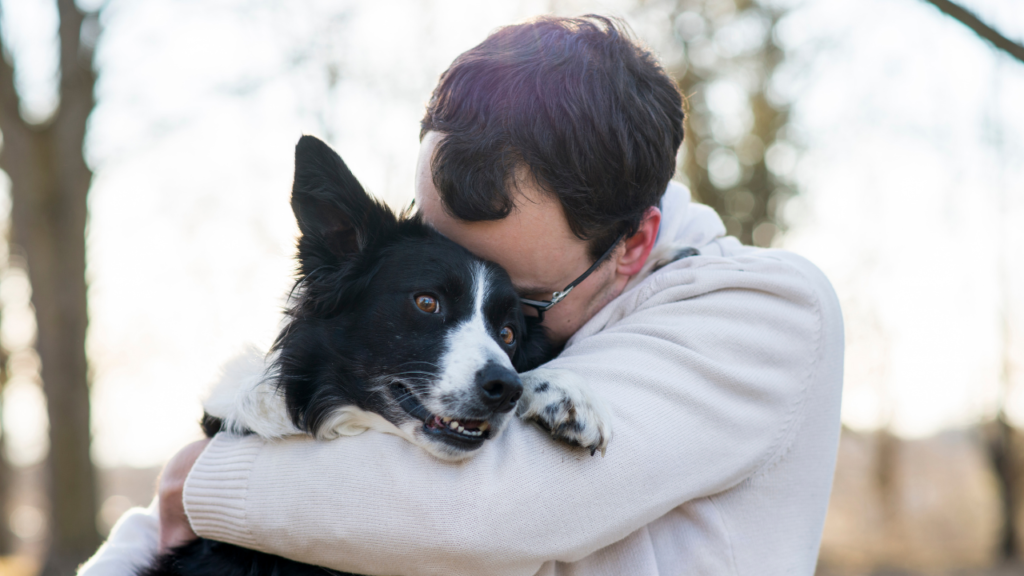
Stop Negotiating With Your Dog: Make Your First “No” Count
Your dog isn’t ignoring you by accident—they may have learned that if they wait long enough, you’ll give in.
From leash pulling and jumping to selective listening and treat bribery, inconsistent boundaries can accidentally reinforce the behaviors driving you crazy.
Learn how calm, consistent follow-through can help you stop repeating yourself, communicate more clearly, and build a dog that actually listens the first time.