
Is your puppy or teenage dog jumping on you and your guests? Do your kids get mauled by your dog’s excited jumping behavior during playtime?
Let me guess. You have tried yelling at your dog to stop the behavior or throwing them in their kennel as “punishment.” Has that stopped the jumping? If you read further than this, I’m guessing not.
Ignoring your jumping dog WILL NOT MAKE THEM STOP. To teach a dog not to jump the act of jumping must be intolerable.
What does intolerable mean? It means unbearable to the dog. Whether that is a squirt of water to the face, shaking a can of pennies, a bonker thrown at the dog, a prong collar correction, or any other method you have found that works for your dog. In order to stop a behavior the behavior must be intolerable.
A lot of people would like to teach their dog to sit and get a treat instead of jumping. Great! However, I don’t want to DISTRACT my dog from jumping…I need my dog to NOT jump even when I’m not there, or I don’t have a treat in my hand. The only way to accomplish this is to put an inhibition in the dog’s mind by making the act of jumping intolerable.
With my personal boxer mix we tried turning our back to the dog, ignoring the jumping, or trying to get him to sit and give him a treat FIRST. All of that failed. It wasn’t until we made jumping intolerable for him that we finally got his attention. Then we were able to go ahead and train him to sit and give him a treat.
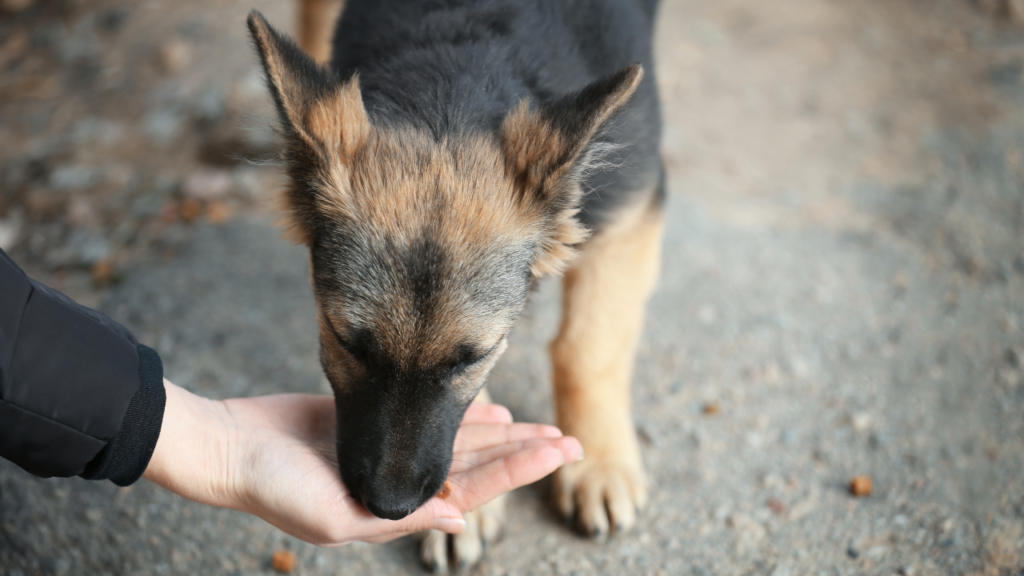
The Hidden Downside of Hand-Feeding Your Dog
Hand-feeding can be a great training tool—but what happens when your dog starts depending on it?
Learn how too much hand-feeding can create unwanted habits, the difference between rewarding and bribing, and how to raise a confident dog who listens even when there’s no treat in your hand.
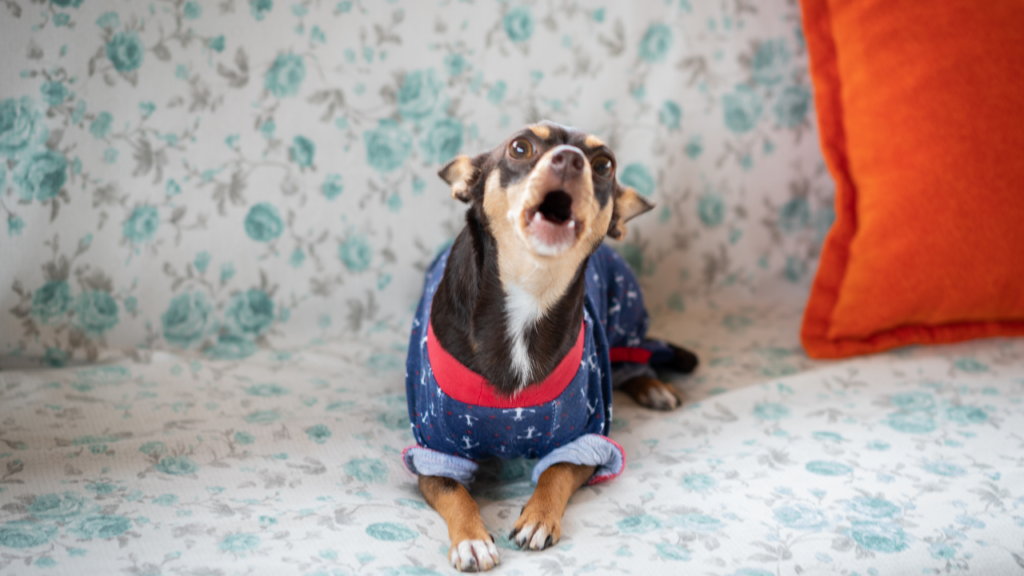
How Too Much Visual Access Fuels Dog Reactivity
Is your dog constantly barking at people, delivery drivers, dogs, or squirrels outside?
Too much visual access could be fueling their reactivity.
Learn how windows, open floor plans, and neighborhood “watch duty” can encourage barking—and discover simple changes that can help your dog settle down and give you a quieter, more peaceful home.
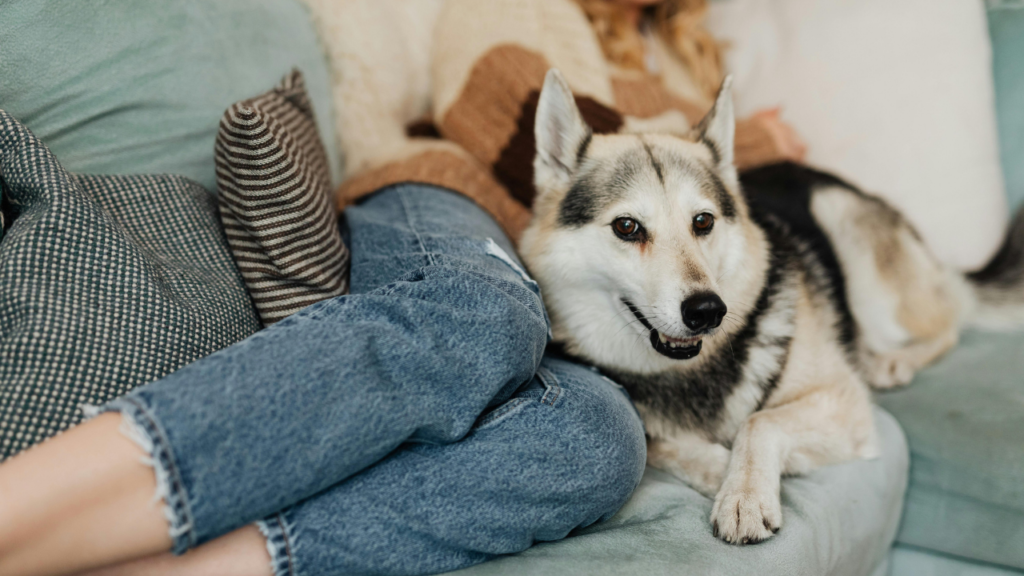
Why Clear Communication Changes Everything
Think your dog is stubborn, ignoring you, or deliberately testing your patience?
The truth might be simpler: your dog is constantly reading your body language, tone, timing, consistency, and follow-through. When those signals don’t match what you’re saying, your dog can become confused about what you actually want.
Discover why your dog may listen perfectly to a trainer but struggle with you, why repeating commands can make things worse, and how clearer communication can lead to less frustration, better behavior, and a stronger relationship with your dog.
Stop Negotiating With Your Dog: Make Your First “No” Count
Your dog isn’t ignoring you by accident—they may have learned that if they wait long enough, you’ll give in.
From leash pulling and jumping to selective listening and treat bribery, inconsistent boundaries can accidentally reinforce the behaviors driving you crazy.
Learn how calm, consistent follow-through can help you stop repeating yourself, communicate more clearly, and build a dog that actually listens the first time.