
When it comes to using a dog crate, many pet owners are left wondering: How long CAN a dog be in a crate? This question isn’t just about comfort—it’s about the well-being and mental health of your dog. Let’s dive in and break it down for you, so there’s no room for doubt.
How to Stop Submissive Peeing


The Purpose of a Dog Crate
First and foremost, understand that a dog crate, often referred to as a dog cage, is not a prison. Rather, it is a training tool that, when used correctly, can offer a safe space for your dog. Using the crate properly can enhance your dog’s overall training and behavior, with consistent and humane crate training practices it can also significantly improve your dog’s quality of life.
On the other hand, improper use can cause anxiety, stress, and even behavioral problems. Don’t fall into the trap of thinking that a crate is a fix-all solution; it’s a tool to be used wisely and compassionately.

Puppy Potty Training with a Dog Crate
One of the primary reasons for using a dog crate is for potty training a puppy as crate training can play a pivotal role in teaching your puppy bladder control. While it might seem cruel to confine your puppy, the truth is, it can accelerate the process of how to potty train a puppy.
But remember, puppies have small bladders and need frequent breaks. Typically, a puppy should not be crated for more than 1 hour per month they are old (12 week puppy crated for 3 hours, 8 week puppy for 2 hours, etc). Any longer, and you risk accidents, which can set back your potty training efforts.
CLICK HERE if you need help potty training your puppy!
Adult Dogs and Crate Time
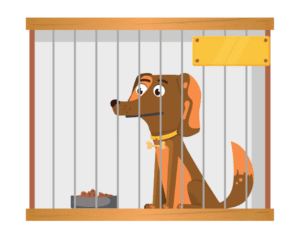
Now, when it comes to adult dogs, you might think they can handle longer periods in a dog cage. Wrong! Even for an adult dog, extended periods in a crate can lead to anxiety and stress. As a general rule, no dog should be crated for more than 6-8 hours at a stretch. While some working dogs might tolerate longer periods, it’s not ideal and should be avoided. Instead, provide regular breaks for exercise and mental stimulation.
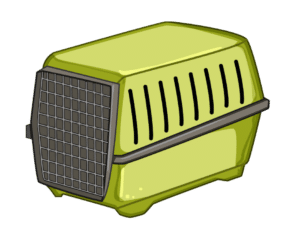
Large Dog Crates
If you own a larger breed, you might be using a large dog crate. You might assume that a larger crate means your dog can stay crated longer. Think again! Size does matter, but it doesn’t change the fundamental need for freedom and interaction. A large dog crate simply provides more space, which is great for comfort, but the time limits remain the same.

Addressing Concerns and Myths
There are many misconceptions about dog crates. Some people think that a dog cage is inherently cruel. However, when used correctly, it can be a sanctuary for your dog. A properly used dog crate provides a sense of security and helps with training and can prevent destructive behaviors when you’re not around to supervise.
In contrast, leaving a dog in a crate for too long is absolutely cruel and unacceptable and can lead to severe psychological and physical issues. It’s essential to balance crate time with ample exercise and social interaction. By understanding the correct usage, you can turn a dog crate into a positive aspect of your pet’s life rather than a source of distress.

The Right Way to Use a Dog Crate
So, how should you use a dog crate correctly?
Firstly, ensure that your dog sees the crate as a positive space by using treats and positive reinforcement to encourage your dog to enter and stay in the crate willingly. Introduce the crate gradually, allowing your dog to explore it at their own pace, this makes the crate a place of comfort rather than fear.
Secondly, never use the crate as punishment. Using it this way can create negative associations and anxiety.
Thirdly, make sure the crate is appropriately sized—your dog should be able to stand, turn around, and lie down comfortably, this prevents discomfort and stress. Keep the crate in a low traffic area where your dog can relax and not be disturbed by activity in your home.
If you are struggling with using the crate contact us!

Conclusion: Know Your Limits
In conclusion, while a dog crate can be an invaluable tool for potty training a puppy and providing a safe space, it’s essential to use it responsibly. Dogs need interaction, exercise, and mental stimulation. Leaving them confined in a dog cage for too long is not only cruel but counterproductive.
Be determined in your approach to training, but always prioritize the well-being of your furry friend by using positive techniques for a balanced and happy life.
Remember, the goal is to create a safe and happy environment for your dog!