
Crate training is one of the most controversial and misunderstood aspects of dog training. You’ve likely heard both ends of the spectrum—people who swear by crates as a safe haven and others who claim it’s cruel confinement. The truth? It depends on how you use it. And that’s exactly what we’re diving into today.
As a balanced dog trainer, I use every tool available to help dogs and their humans reach their highest potential. That includes pushing against outdated beliefs that might be holding both of you back. If you’ve struggled with the idea of crate training—perhaps feeling guilty or unsure—I see you. But I also challenge you: What if your dog’s anxiety is actually worsened by a lack of boundaries, not by too many of them?
The Psychology of Safe Spaces
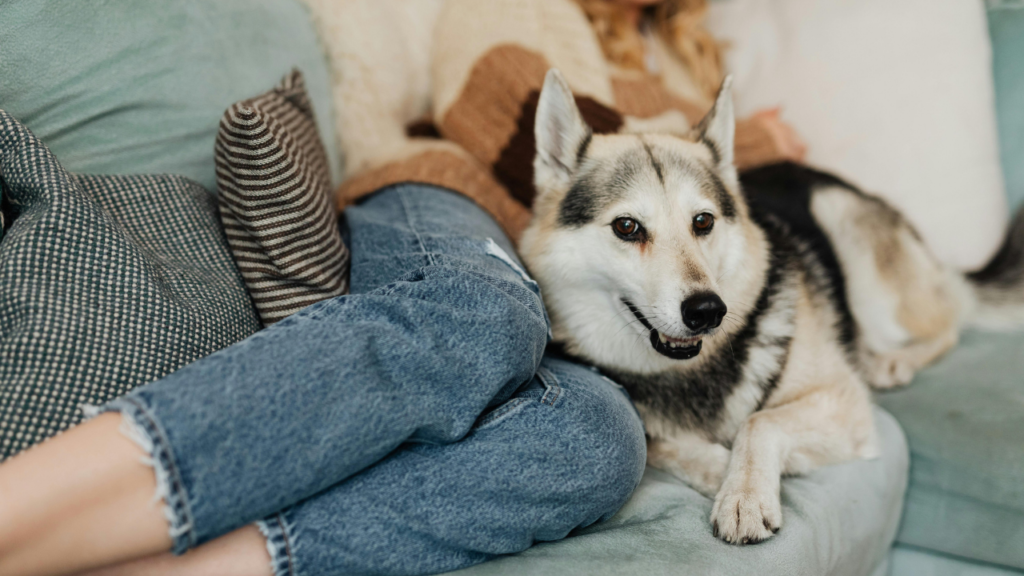
Dogs are den animals by nature. They seek out small, enclosed spaces for comfort, especially when overwhelmed. Think about it: when a dog is nervous, do they stretch out in the middle of a wide-open space? No. They tuck themselves under a table, curl up in a corner, or even hide under your legs. This isn’t because they’re scared of you—it’s because they feel safer when surrounded by something solid.
A crate, when used correctly, replicates this sense of security. It becomes a retreat where your dog can regulate their emotions, decompress, and feel protected from the chaos of the world. It’s not a jail cell; it’s their personal room. And just like a child benefits from having their own bedroom to retreat to when overstimulated, your dog benefits from having a designated space where the outside world doesn’t demand anything from them.
Addressing Crate Anxiety
Now, what if your dog already hates the crate? What if they cry, panic, or try to escape? First, let’s acknowledge something important: their reaction isn’t proof that the crate itself is bad. It’s proof that they don’t have a positive association with it—yet. And that’s where your work begins.
Here’s where I push you. If you’re anxious about crating your dog, they will pick up on that energy. If you feel bad about putting them in the crate, they’ll assume there’s something to feel bad about. Instead of guilt, let’s shift the mindset: The crate is a tool to help my dog feel safe, not a punishment.
Steps to Build Positive Crate Association:
- Make the crate rewarding. Feed meals inside. Leave high-value chews and toys in there. Let them discover good things happen inside the crate.
- Don’t just use it when leaving. If the crate only comes out when you’re about to go to work, your dog will associate it with separation. Instead, use it randomly throughout the day.
- Ignore minor protest behaviors. If your dog whines for a minute, don’t rush to let them out. Teaching them to self-soothe is critical.
- Be neutral. When letting them out, don’t throw a party. Make it a normal, calm transition so they don’t get hyped about exiting.
Boundaries Create Freedom
A well-crate-trained dog is a more confident, stable dog. Why? Because they know how to regulate their nervous system in a controlled environment. When you create structure, you eliminate a significant amount of the anxiety that stems from unpredictability. Instead of frantically pacing the house when overwhelmed, your dog learns to settle themselves. Instead of barking out of stress, they learn to retreat and decompress. Instead of chewing furniture in anxious energy, they redirect to a healthy coping mechanism.
Boundaries don’t restrict—they liberate. If you give your dog the gift of structure, you aren’t holding them back; you’re giving them the foundation to thrive. The crate is simply one piece of that foundation.
Your Challenge
If you’ve resisted crate training, I challenge you to rethink it. Approach it with curiosity instead of preconceived notions. If you’re already using a crate but struggling with anxiety issues, consider how you can reshape your dog’s relationship with it. Let’s break the cycle of anxiety together—because you and your dog are capable of more than you know.
Contact us if you need personalized guidance for your dog’s training journey. And if you’re interested in more in-depth insights, check out How a Slip Lead Teaches Us to Listen to Our Dogs!