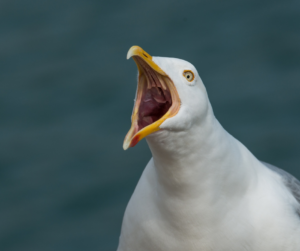
I don’t know about you guys, but it seems more and more the voice of the “little guy” matters less and less. From cell phone carriers throwing extra fees onto your bill, to restaurants not caring enough to get your order right…you feel lost and overwhelmed.
While big change takes time and comes slowly (if at all), there is one area of your life where change can happen quickly. That area consists of four feet and a waggly tail.
Does your voice matter with your dog? Answer honestly, guys. THINK…don’t just give me the generic answer that your dog is a good dog. I’m not talking about in your home when you have a treat in your hand. I’m talking about when you are outside, or in public, and your dog barks. How about when they jump?
How many times are you saying “no” before your dog stops their behavior. And an even better question…you have already said “no” thousands of times. Why are you still getting this behavior? If this is happening in your life…then obviously your voice is not being heard.
Imagine if you had to repeat EVERYTHING you say to family three times. Oh my gosh…how annoying and frustrating would that be? And yet…we do it with our dogs all the time. WHY? Why are you letting your dog continue behaviors you don’t want, and allow them the leisure of waiting until they feel like obeying to finally obey?
I wish I had that leisure. I wish I had the leisure of paying my rent until I felt like it. Or the leisure of taking whatever I wanted in the grocery store and paying for it when I felt like it.
We have rules in society for a REASON. It makes living with other people enjoyable and fun. Our dogs are not buttercups or fragile flowers…correct them when they break a rule. They deserve the same courtesy that we give humans. We spell out rules clearly and hold them accountable so life can be enjoyable.
Your voice may not be heard in the big outside world…but it DEFINITELY should be heard in your living room with your dog.
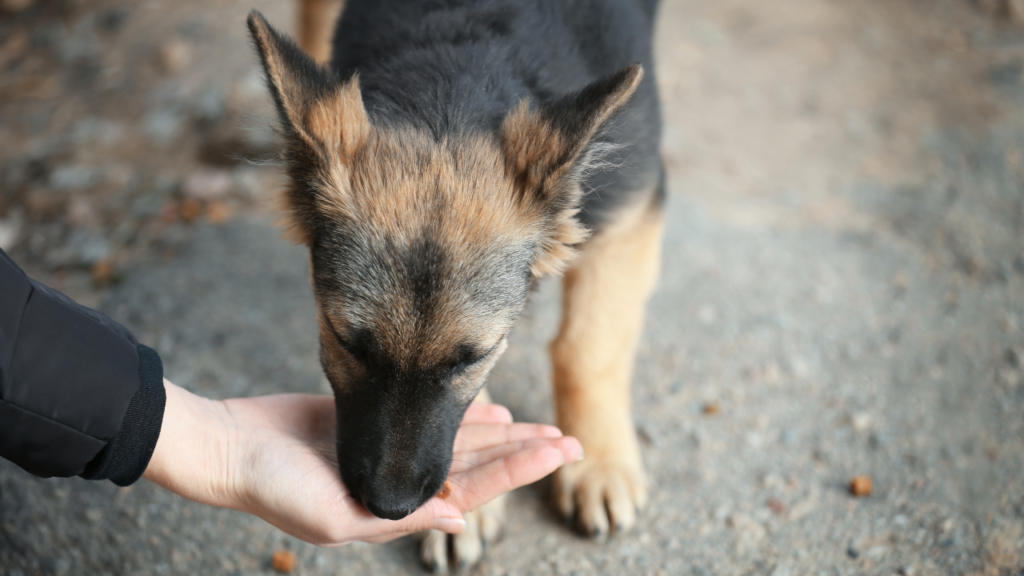
The Hidden Downside of Hand-Feeding Your Dog
Hand-feeding can be a great training tool—but what happens when your dog starts depending on it?
Learn how too much hand-feeding can create unwanted habits, the difference between rewarding and bribing, and how to raise a confident dog who listens even when there’s no treat in your hand.
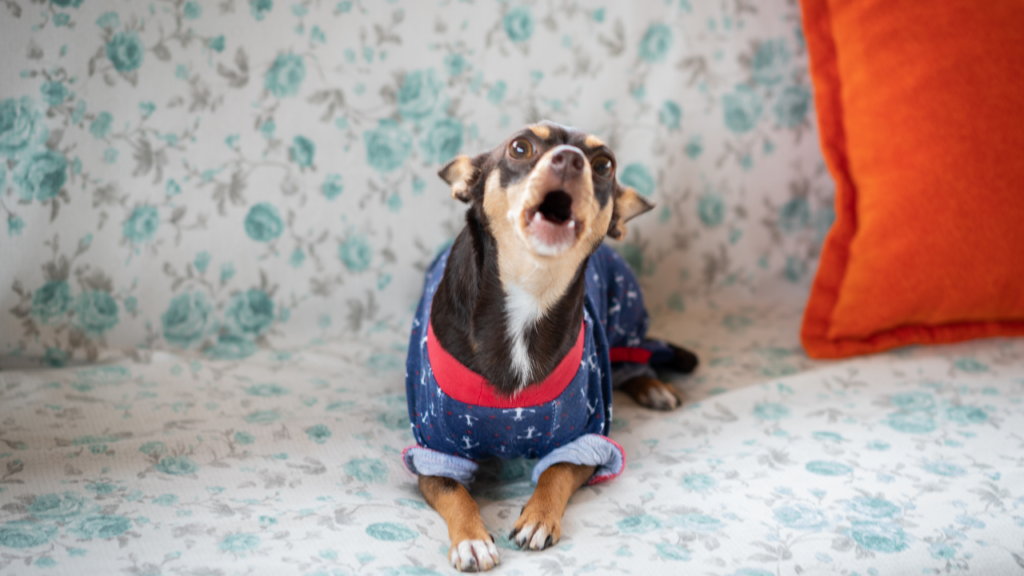
How Too Much Visual Access Fuels Dog Reactivity
Is your dog constantly barking at people, delivery drivers, dogs, or squirrels outside?
Too much visual access could be fueling their reactivity.
Learn how windows, open floor plans, and neighborhood “watch duty” can encourage barking—and discover simple changes that can help your dog settle down and give you a quieter, more peaceful home.

Why Clear Communication Changes Everything
Think your dog is stubborn, ignoring you, or deliberately testing your patience?
The truth might be simpler: your dog is constantly reading your body language, tone, timing, consistency, and follow-through. When those signals don’t match what you’re saying, your dog can become confused about what you actually want.
Discover why your dog may listen perfectly to a trainer but struggle with you, why repeating commands can make things worse, and how clearer communication can lead to less frustration, better behavior, and a stronger relationship with your dog.
Stop Negotiating With Your Dog: Make Your First “No” Count
Your dog isn’t ignoring you by accident—they may have learned that if they wait long enough, you’ll give in.
From leash pulling and jumping to selective listening and treat bribery, inconsistent boundaries can accidentally reinforce the behaviors driving you crazy.
Learn how calm, consistent follow-through can help you stop repeating yourself, communicate more clearly, and build a dog that actually listens the first time.