ARE RETRACTABLE LEASHES BETTER THAN NORMAL LEASHES?

º

My personal opinion? No. They are not. 

Laying aside the training issues of a retractable leash…let’s just talk about safety. The first one being the safety of the dog.

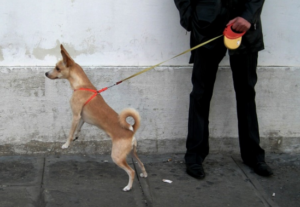
With a retractable leash, the dog has the ability to run 10 or 15 feet in front of the owner. Meaning any person or object that is approaching, the dog will meet it first. If it’s only a fire hydrant…great, no worries. 

If it happens to be another dog, there could be a problem. Your dog will have to fend for itself through rude greetings, overwhelming or excited behavior, and potentially even aggressive nipping. It’s not fair for your furry pal to face these issues without your protection. 

There’s also the safety to the human. Most dogs don’t travel in a straight line in front of their owners. They sniff to the left and right, and even backtrack for a second smell. The retractable leash is easily wrapped around the human (or humans if it’s a family walking the dog)…leading to clumsy pirouettes, and hopping on one foot to untangle the leash. This often leads to tripping or falling, which is never a pleasant experience.

So…to keep your pup safe, and yourself safe from unnecessary dangers, walk your dog on a standard leash. You’ll find it much more relaxing!

More Tips

Check out our other posts

The Truth About ‘Random’ Aggression (And Why It’s Ruining Your Life)

Most dog owners think their dog’s aggression comes “out of nowhere”—but what if it’s actually a pattern you’ve been missing the entire time?

From stressful walks to uncomfortable moments with guests, your dog’s behavior isn’t just frustrating… it’s affecting your daily life more than you realize. The good news? It’s predictable—and that means it’s fixable. In this blog, you’ll learn how to spot the hidden triggers, understand the warning signs, and recognize the 30-second pattern that happens before every reaction.

Once you see it, you can step in earlier, prevent the behavior, and finally start enjoying life with your dog again.

Read More »

Why You’re Your Puppy’s Favorite Target (And What To Do About It)

Why does your puppy act like an angel with everyone else—but turn into chaos with you?

It’s not random, and it’s not aggression. You’re simply their favorite person… and the one they’ve learned the most from.

In this blog, we break down why puppies target you, what you might be accidentally reinforcing, and how to stop the biting fast—without guilt, frustration, or constant effort.

Read More »

Your Dog Isn’t Disobedient—They’re Making Better Choices Than You”

If your dog only listens sometimes, pulls you down the street, or turns your home into chaos—you’re not dealing with a stubborn dog. You’re dealing with a dog that’s learned what works.

Dogs don’t ignore commands because they forgot them. They ignore them because, in that moment, something else feels more rewarding—and nothing is telling them otherwise.

In this blog, you’ll learn why your dog “chooses” not to listen, how everyday habits are reinforcing the wrong behaviors, and what to do differently so your dog listens the first time, walks calmly, and settles at home. It’s not about being stricter—it’s about being clearer, more consistent, and more valuable than the distractions around you.

Read More »

The #1 Mistake Dog Owners Make That Keeps Bad Behavior Going

Most dog owners believe that if they just say it louder, repeat it more, or add a little more emotion, their dog will finally listen.

But what if that’s the exact reason the behavior isn’t changing? The truth is, dogs don’t respond to lectures—they respond to clarity. And when we constantly talk during unwanted behavior, we often add energy instead of removing it.

In this blog, you’ll learn why talking can actually make behaviors worse, and how shifting to calm, silent leadership helps your dog understand expectations faster, creating a more peaceful and controlled home.

Read More »