What if the thing you’re most afraid to use is the very thing your dog needs most? Most people avoid muzzles because of how they look—harsh, embarrassing, like a sign that something’s wrong.
But what if that’s not the truth at all? What if the muzzle isn’t a punishment, but a permission slip—for safety, for calm, for peace? This post isn’t just about training tools. It’s about the quiet stories we tell ourselves. About what it means to be “a good dog owner.” About how fear—yours and your dog’s—can be softened, shaped, and eventually replaced.
Because here’s the truth no one talks about: the muzzle doesn’t just change your dog. It changes you. And that might be exactly what they’ve been waiting for. If you’ve ever felt judged for using one, or scared to try, this blog will flip the script—and open a door you didn’t know was there.
The Psychology Behind Muzzle Stigma
It’s strange, isn’t it? You can use a harness, a crate, or even a baby gate, and no one blinks. But the moment you pull out a muzzle, everything changes. Strangers stare. Other dog owners give you a wide berth. Some even feel bold enough to say, “Oh no—what did your dog do?” It’s subtle, but the message lands: if your dog wears a muzzle, you must have failed somewhere.
This is the emotional weight most dog owners aren’t prepared for. It’s not just a tool—it’s a trigger for shame. Even if you know, rationally, that a muzzle is helpful, there’s often a part of you that still whispers, This means I’m a bad owner. That voice doesn’t come out of nowhere. It comes from a culture that punishes visible control, but praises chaos disguised as “freedom.” From people who believe that training tools equal trauma, instead of protection.
And so, many owners wait. They wait until the dog bites. Until the vet refuses to see them without one. Until they’re standing in the middle of a crisis thinking, I should have done this sooner. But by then, fear has grown roots. Trust has been shaken. And the chance to prevent that moment—the opportunity for peace—has already passed.
But what if we looked at muzzles differently? What if they weren’t symbols of failure, but of forethought? Of courage? Of a deep, quiet love that’s willing to endure a little judgment for the sake of safety and clarity? In our free Facebook group, we talk often about the guilt and pressure that comes with visible control—and how to dismantle it.
Because here’s the truth most people miss: a muzzle isn’t for when something goes wrong. It’s for creating the kind of emotional environment where things don’t have to. It tells your dog, You are safe. You don’t have to guess. I’ve got this. It tells you, I can be prepared without being panicked. I can lead, even if others don’t understand.
When we reframe the muzzle as a tool of emotional safety—not a punishment—we start showing up differently. We stop parenting from shame and start leading from love. And that changes everything. Not just how others see you. But how your dog experiences the world.
Desensitization 101: How to Introduce the Muzzle the Right Way
Most people wait until the moment of panic to introduce a muzzle. At the vet’s office. On a chaotic walk. During a fight. They shove it on, the dog panics, and now both dog and owner associate the muzzle with tension, force, and fear. But here’s the thing: that moment wasn’t the problem. The lack of preparation was.
Desensitization is how we fix that. It’s not just about getting your dog to “tolerate” the muzzle—it’s about creating a positive emotional connection to it. The muzzle should feel like a cue for peace, not punishment. A signal that says, You’re okay. You’re protected. There’s nothing to figure out here.
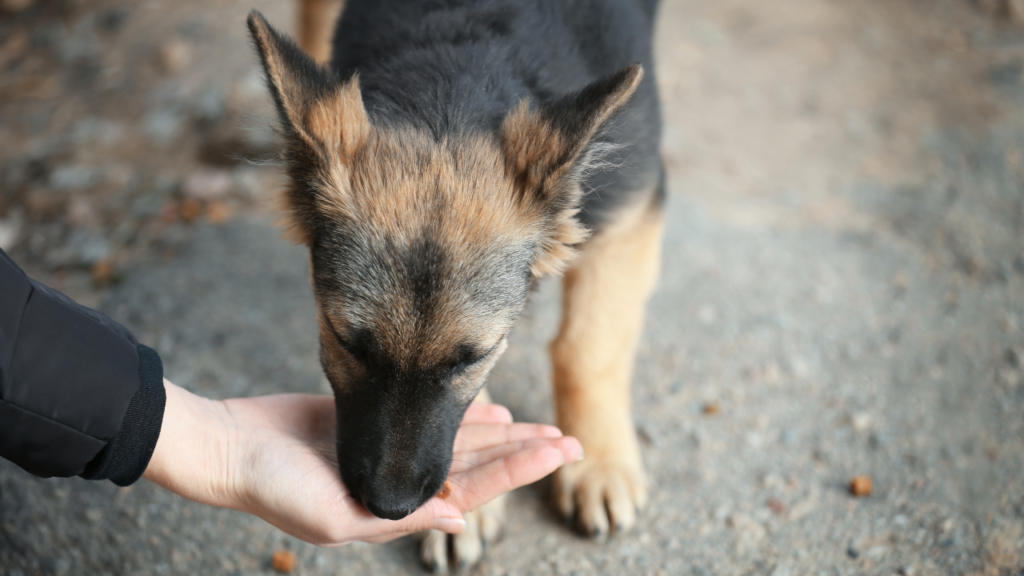
Step one is simple: show the muzzle, feed the treat. You don’t need words. You don’t need pressure. You just need the dog to make one connection—when this object comes out, good things happen. Do this for a few minutes a day. No expectations. No pushing. Just calm energy and rewards.
Next, move toward interaction. Let them sniff the muzzle, maybe even put their nose in for half a second. Mark it with a “yes” or a click, then reward. Don’t strap it on. Just repeat that small, safe action over and over. This is about trust. About proving to your dog that they still have agency.
Eventually, you’ll build toward longer durations. Five seconds in the muzzle. Then ten. Then maybe you buckle it for a moment. Always with treats. Always with calm body language. Always ending before they get overwhelmed. You’re not conditioning the muzzle—you’re conditioning how you respond to it.
The goal is to teach your dog this: the muzzle means nothing bad is happening. It means you’re prepared. It means the world is going to be predictable and safe. And more than anything, it means you’re in charge—and that they can rest inside your leadership.
When you do this right, something shifts. You pull out the muzzle and your dog doesn’t run. They lean in. Because you’ve re-written the story. You’ve replaced the tension with trust. And now the tool that once created panic becomes a source of peace.
If you need help troubleshooting the process or tailoring it to your dog’s unique anxiety triggers, reach out to us directly for one-on-one support. We’re here to help you build trust—one moment, one click, one meal at a time.
When to Use a Muzzle—And When Not To
Muzzles are not a punishment. They are not a last resort. And they are not just for “aggressive” dogs. But that doesn’t mean they should be slapped on without purpose. Like any training tool, a muzzle is only effective when it’s used intentionally—with clarity, timing, and a deep respect for the dog wearing it.
So when should you use a muzzle?
Think high-pressure moments: vet visits, grooming appointments, hikes where you might run into off-leash dogs, crowded events, or structured reactivity training sessions. In each of these scenarios, the muzzle acts as a seatbelt—it doesn’t prevent the car from moving, but it protects everyone in case something unexpected happens. Even dogs that have never bitten can bite when afraid or overstimulated. A muzzle gives you a layer of safety, and more importantly, it gives your dog room to breathe without being over-managed.
But there’s a line. Because while a muzzle is excellent for management, it is not a replacement for training. If you use it to suppress behavior instead of understand it, you may keep the bite from happening, but you also risk reinforcing fear. You risk silencing the dog’s stress signals instead of addressing what’s underneath them. That’s when trauma starts.
For example, using a muzzle to “just get through it” at the groomer without any desensitization? That teaches the dog that people will ignore their fear and force them anyway. Using a muzzle to bring a dog into a crowded dog park where they’re constantly anxious? That doesn’t help them feel safe—it tells them their signals don’t matter. Eventually, they may stop signaling at all.
So when not to use a muzzle? Don’t use it to cover up behavior you’re unwilling to work on. Don’t use it so you can take your dog into environments they’re not ready for. And never use it to push past their limits just to save face in public. That’s not leadership—that’s ego.
Used wisely, a muzzle is one of the most compassionate tools you can offer. It protects. It prepares. And it creates space for learning. But it only works if you do. Your dog doesn’t need you to be perfect. They just need you to be aware.
In this related blog on fear of strangers, we dig deeper into how unresolved fear shows up as misbehavior. The same emotional wiring applies here. A muzzle should give your dog room to feel safe, not force them into survival mode.
Why Muzzles Can Build Confidence Instead of Break It
There’s a myth floating around that muzzles destroy trust. That putting one on your dog means you’ve given up on them—or that you’re crushing their spirit. But the truth is, confidence doesn’t come from freedom. It comes from safety. And safety, for many dogs, starts with structure they can rely on—even if that structure includes a muzzle.
Dogs don’t thrive in chaos. They thrive in predictability. They don’t want to constantly scan their environment for danger, pressure, or uncertainty. When the world feels confusing, they either shut down… or explode. But when a dog knows what to expect—when they can trust you to handle the hard stuff—they can finally relax. They don’t have to problem-solve every trigger. They don’t have to decide whether to fight, freeze, or flee. And that is where confidence begins.
Muzzles are a powerful part of that predictability. They tell your dog, you don’t have to be in control right now—I’ve got it. That’s not disempowering. That’s liberating. It gives the dog permission to stop bracing for the worst and start noticing what’s safe. It creates space for new learning, new patterns, and new choices—because the dog is no longer stuck in survival mode.
But a muzzle isn’t magic. It has to be part of a larger strategy. Confidence doesn’t come from a single tool. It comes from consistent boundaries, daily routines, and clear communication. A muzzle works best when it’s used alongside calm leadership, structured exposure to stress, and plenty of space to decompress. In that context, it’s not a barrier—it’s a bridge.
It’s the difference between a dog who spirals the second something unexpected happens… and a dog who looks to their handler for guidance.
When used correctly, a muzzle doesn’t tell your dog to “shut up.” It tells them, You are safe. You are protected. You can still smell, see, and experience the world—but you don’t have to control it. And for a lot of dogs, that’s the first time they’ve ever felt that kind of relief.
Confidence isn’t loud. It isn’t dominant. It’s quiet. It’s secure. It’s built brick by brick through repetition, respect, and emotional clarity. And sometimes, the first brick is a muzzle.
Conclusion
Muzzles aren’t about control—they’re about clarity. They don’t take away your dog’s freedom. They give it back—bit by bit, safely, with structure. When introduced the right way, a muzzle becomes more than a tool. It becomes a signal: You’re okay now. You don’t have to protect yourself anymore.
But the real shift happens in you. When you let go of the guilt, the judgment, and the pressure to look like the perfect dog owner, you step into leadership that’s grounded in love—not fear. You stop managing appearances and start managing emotions. And your dog feels that.
Confidence isn’t built by pretending everything’s fine. It’s built by preparing for the moments that aren’t. And nothing does that quite like a muzzle—used wisely, calmly, and with compassion.
So if you’ve been hesitant, second-guessing, or avoiding the conversation… this is your permission to reframe. To rethink. To lead. And to help your dog finally exhale.