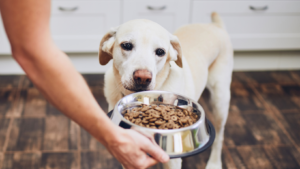
Feeding your dog is one of the most fundamental ways you care for them, but how often should you do it? If you’re like most dog owners, you’ve probably questioned whether you’re feeding your dog too often, not enough, or at the wrong times. Let’s dive into the psychology of your dog’s feeding habits and how you can align them with their natural instincts and needs.

Puppies: 2-3 Times Per Day
Puppies are a whole different story when it comes to feeding. These little furballs are growing at an astonishing rate and need consistent energy to fuel that growth. If your dog is under a year old, they are still considered a puppy and should be fed 2-3 times per day. Follow the feeding instructions on your puppy’s food bag to ensure proper nutrition.
But don’t just follow the bag blindly. Watch your puppy. Is their energy consistent? Are they finishing their meals too quickly or leaving food behind? Paying attention to these cues will help you fine-tune their feeding schedule.

After One Year: Simplifying to One or Two Meals
Once your dog hits their first birthday, their energy needs shift. At this stage, feeding twice a day is perfectly fine, but at Be the Boss Dog Training, we recommend feeding once a day for most dogs. Why?
Dogs are predators at their core. In the wild, they eat what they catch—and that doesn’t happen three times a day. Their digestive systems are built to handle long periods of fasting followed by a large meal. When you feed your dog once a day, you’re tapping into this natural rhythm, which can promote better digestion and even reduce the risk of obesity.
Feeding once a day also engages their psychological and biological instincts. It mimics the feast-and-famine cycles they’d experience in the wild, keeping their bodies and minds in harmony. But remember, you have to observe your dog closely during this transition. Are they thriving? Are they maintaining a healthy weight? Use your eyes, your hands, and your intuition to gauge what’s working.
Exceptions: Special Medical Needs
Not all dogs can or should be fed once a day. Dogs with certain medical issues, like diabetes or other chronic conditions, often require more frequent meals. If your dog falls into this category, work closely with your vet to develop a feeding plan tailored to their unique needs.
Small Dogs Under 15 Pounds
If your dog weighs less than 15 pounds and is over a year old, feeding once a day isn’t advisable. Small dogs have faster metabolisms and are at risk of blood sugar drops if they go too long without food. For these tiny canines, stick to two or even three meals per day to keep their energy stable and their bodies healthy.

Why This Matters to You
Feeding your dog isn’t just about filling their bowl; it’s about understanding their biology and honoring their instincts. Think about it: Would you thrive if someone fed you according to a generic chart instead of paying attention to your unique needs? Of course not. Your dog deserves that same level of consideration.
When you feed your dog based on what their body and instincts demand, you’re not just keeping them alive—you’re helping them thrive. You’re giving them the mental and physical balance they need to be their best selves. And isn’t that what you want for your best friend?

Conclusion
So, how often should you feed your dog? The answer depends on their age, size, and health. Puppies need frequent meals to fuel their growth. Adult dogs thrive on fewer, larger meals, while small dogs and those with medical conditions require a more tailored approach.
Take the time to observe your dog. Trust your instincts. When you align their feeding schedule with their natural design, you’re doing more than filling their belly—you’re feeding their mind and spirit. Isn’t that worth the extra effort?
Ready to tailor your dog’s feeding plan? Click here to contact us and let our experts guide you.
Curious about more ways to enhance your dog’s well-being? Read our blog on understanding dog anxiety and discover how small changes can make a big difference.