YOUR DOG IS NOT SWEET, YOUR DOG IS ANXIOUS

º

Anxiety in Your Dog

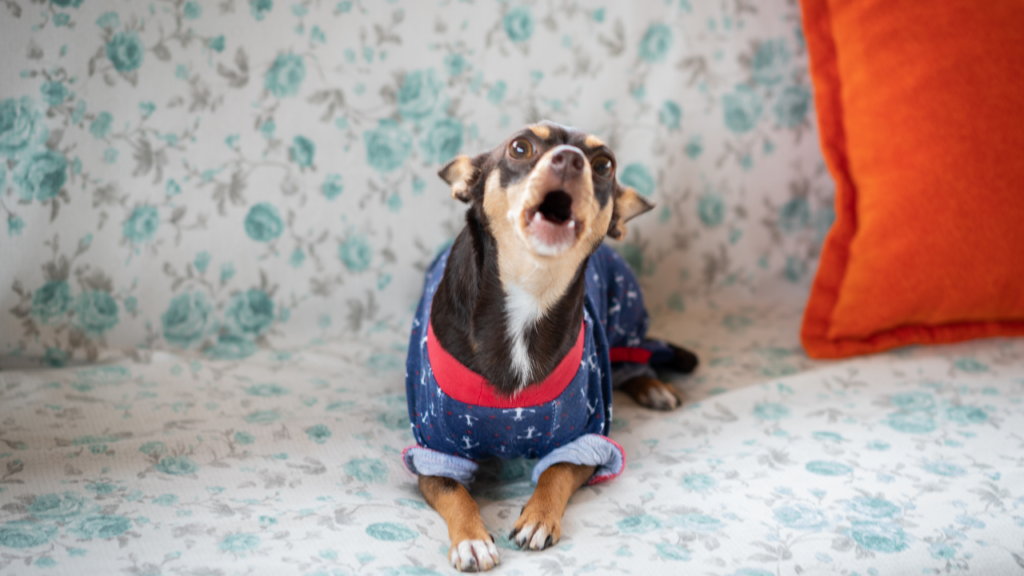
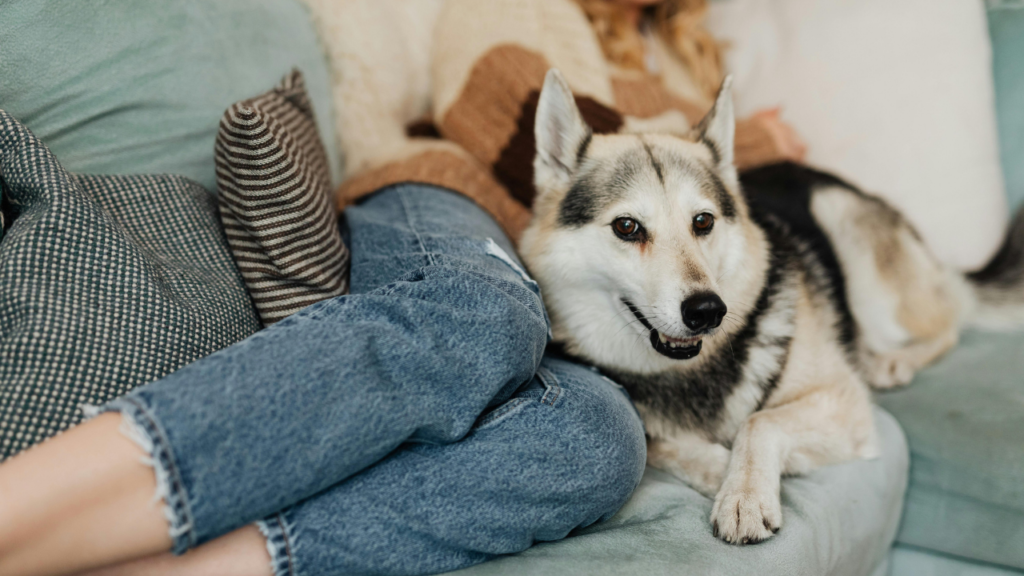
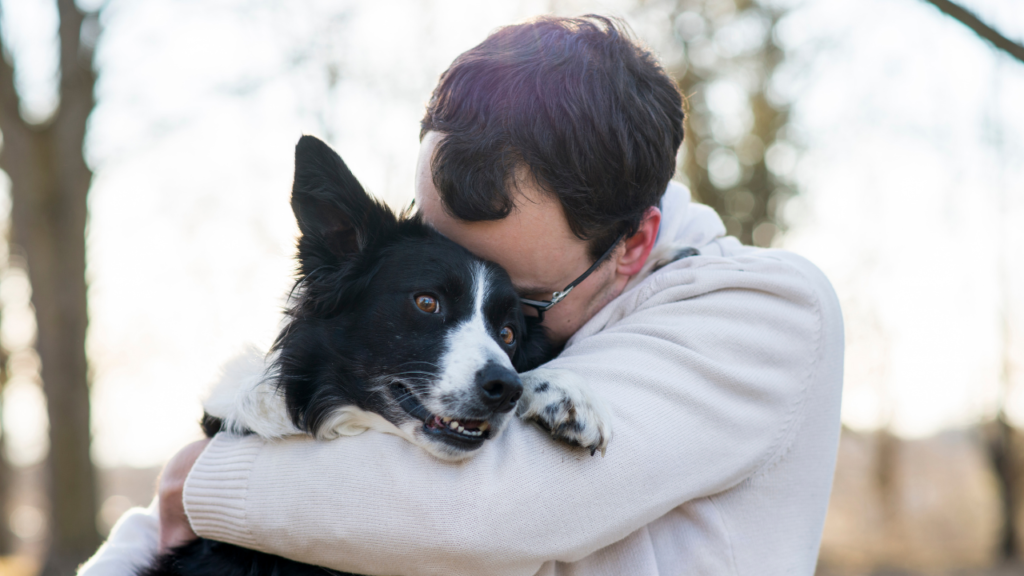
I hear this all the time with potential clients. But my dog is so sweet! She loves to be wherever I am, and she loves to cuddle with me and have me pet her all the time. And while there is no blame directed towards the human, I cringe inside a bit when I hear this.

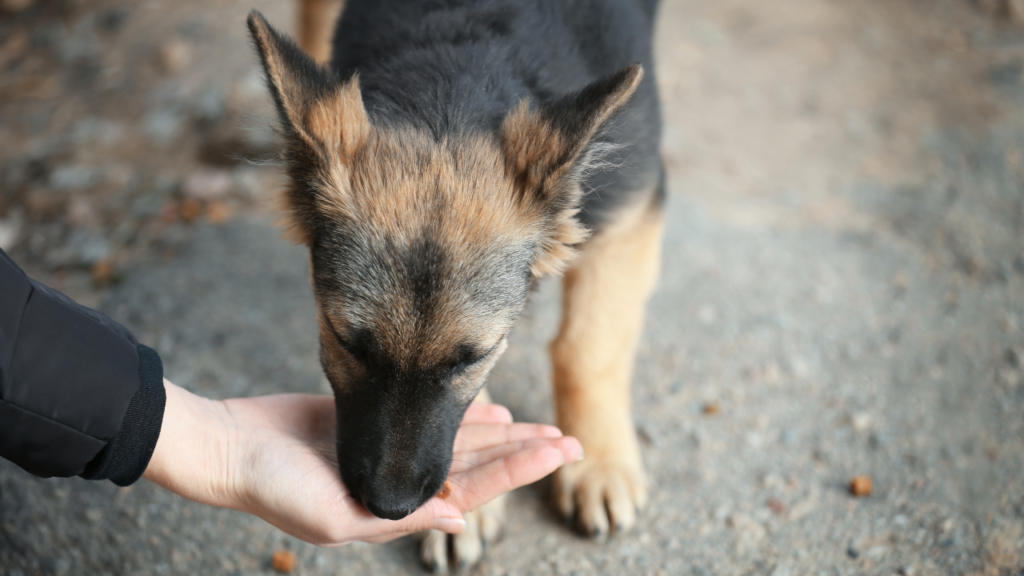
Dogs are not humans and cuddling, petting and kissing them does not mean the same thing to them that it means to us. Dogs usually exhibit this behavior when they are anxious or insecure. Positive reinforcement, like petting and kissing and cuddling, is actually telling the dog that what they are feeling is GOOD and to keep feeling that way.

How Do We Stop Anxiety?

The first thing I tell people over the phone is to please stop the affection. At least for right now. We need to get your dog in a better spot. Affection looks like petting, kissing, eye contact, soft voices and soft energy.

I also tell my clients to crate their dogs when in the house. We want the dog to have their own space and learn how to just exist without depending on anyone else.

We implement structure…crate time, place time, walk nicely, exercise, no jumping, no being crazy, listen, etc.

Is Anxiety Ever Cured?

This honestly depends on the dog. If the dog was naturally calm, but developed anxiety because there were always screaming kids running around constantly jumping on the dog, touching the dog, and not leaving the dog alone…then I would venture to say that yes, we can cure the anxiety.

If you have a dog that has an anxious TEMPERAMENT then that is a different story. We maintain a certain lifestyle with the dog to reduce any triggers. For my German Shepherd she will always be in her crate or on place in the house because her temperament is anxious. This is my way of being proactive and positively working on the anxiety.

What Can I Do Today?

For right now if you have an anxious dog please keep them crated in the house. Not because they are bad, but because we want them to practice how to be calm. The best way to do this is to put them in their crate and give them their own space. They can learn to just exist without anyone being near them and learn to calm down.

Keep your dog on a leash at all times. Even potty time. By telling your dog what to do at all times you will greatly reduce their anxiety. Dogs naturally look for leaders in the home, so become a leader for them.

Thank you for reading, and if you have any questions please click the contact button above. Thank you!

-Bethany
More Tips

Check out our other posts

If Grooming Your Dog Feels Like a Wrestle Match, Read This

If grooming your dog feels like a fight every single time, you’re not alone—and it’s not actually about grooming.

Most dogs resist because they’ve never been taught how to stay still, accept handling, or cooperate through the process. The result? Wiggling, pulling away, scratched hands, wasted time, and expensive groomer visits that don’t fix the problem.

The good news is this: you don’t need better tools or more patience—you need a better approach. When you teach your dog calm handling and stillness, everything changes. Grooming becomes faster, easier, and far less stressful for you. In this blog, you’ll learn how to stop the struggle, cut grooming time in half, and finally get through it without the chaos.

Read More »

Leash Pulling Isn’t the Problem—Your Dog Is Making the Decisions

Leash pulling, ignoring commands, and constant distraction aren’t just bad habits—they’re signs your dog is making the decisions.

If your dog only listens when it benefits them, walks feel exhausting, or you’re getting embarrassed in public, the issue isn’t more commands—it’s clarity in leadership.

In this blog, you’ll learn why dogs take control on walks, how that affects their behavior in real-world situations, and what it actually takes to become the one your dog chooses to follow. Because once that shifts, everything else starts to fall into place.

Read More »

The Timing Mistake That’s Ruining Your Dog’s Training

Struggling with a dog that only listens sometimes?

The issue might not be your commands—it’s your timing. In this guide, we break down how rewarding too early creates confusion, slows progress, and leads to inconsistent behavior.

Learn how one simple shift can make training clearer, faster, and way more effective for both you and your dog.

Read More »

The Truth About ‘Random’ Aggression (And Why It’s Ruining Your Life)

Most dog owners think their dog’s aggression comes “out of nowhere”—but what if it’s actually a pattern you’ve been missing the entire time?

From stressful walks to uncomfortable moments with guests, your dog’s behavior isn’t just frustrating… it’s affecting your daily life more than you realize. The good news? It’s predictable—and that means it’s fixable. In this blog, you’ll learn how to spot the hidden triggers, understand the warning signs, and recognize the 30-second pattern that happens before every reaction.

Once you see it, you can step in earlier, prevent the behavior, and finally start enjoying life with your dog again.

Read More »