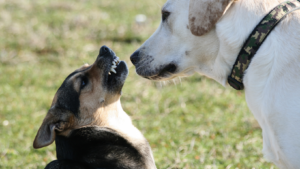
So, you’ve got a dog. You probably dreamt of those blissful park strolls, tail wags, and “oh, how cute!” comments. But what happens when Fido’s idea of saying “hello” involves barking, lunging, or using every one of his 70+ pounds to pull you toward anything that moves? Welcome to the unfiltered world of dog socialization — where getting it right is more than just letting them “figure it out” in a sea of other dogs and humans.
Socializing Isn’t Just “Letting Them Play”
“Just let them figure it out” is the oldest lie in dog training. Socializing a dog isn’t about dropping them in the middle of a chaotic dog park and hoping for the best. If you’ve ever been to a dog park and seen the unrestrained chaos (or in some cases, total canine anarchy), you know exactly why this is a flawed strategy. It’s like expecting a toddler to learn social cues by hanging out with a bunch of untrained hooligans on the playground. Spoiler alert: it’s not going to work.
But let’s break down exactly what good dog socialization looks like.
Step 1: It Starts With Socializing Puppies Early
Puppies are social sponges. They’re in a crucial learning period during the first few months of life. Think of it like human kindergarten, where they learn what is and isn’t acceptable. Yes, those early introductions to various sights, sounds, and smells play a huge role in shaping their adult behavior. Whether you’re introducing them to new people, places, or other dogs, every interaction counts toward developing their social “resume.”
When my dog, Daisy, was a puppy, I took her to the “nice” dog park — the one with the calm, well-trained dogs. Or so I thought. Within minutes, she was swarmed by a couple of hyper labs who seemed to think of her as a tug toy. Daisy yelped, and my heart sank. That experience threw her off for weeks, and it reminded me that just because a place says it’s for “socialization” doesn’t mean it’s what’s best for every dog.

Step 2: The Power of Dog Socialization Classes
So how do you avoid the chaos? Enter dog socialization classes. These classes are structured and supervised by a professional trainer. The goal is to create positive experiences and guide dogs toward calm interactions with other dogs and people. Classes are ideal for teaching puppies and adult dogs alike how to play without getting too rough or feeling too intimidated. In a controlled environment, trainers use dog socialization training techniques to correct overexcited or fearful behaviors.
Classes are especially crucial for socializing rescue dogs. Often, rescue dogs have had limited social exposure or have even experienced traumatic situations that made them wary of people or other dogs. Our socialization classes at Be the Boss Dog Training are FREE and we hold them weekly. We would love to see you there. Just click on the form below and we will be in contact!

Step 3: How to Socialize a Dog With Humans (Without All the Jumping)
Let’s talk about that very specific “people issue” — the one where your dog sees a human and suddenly goes full kangaroo. If I had a dollar for every time someone said, “He’s just really friendly!” while their dog launched itself at me, well, I’d probably own a few more dogs.
Teaching your dog to interact with humans politely is key to a fully socialized dog. Start by exposing them to calm people in calm settings. This isn’t about handing over the leash and praying for the best; it’s about building a positive association with humans in controlled environments, where both you and the other person can gently guide the interaction.

Step 4: How to Socialize a Rescue Dog With Humans
Rescue dogs require an extra dose of patience. Many of them come with baggage that can take time to unpack. If you have a rescue dog, give them space and gradually introduce them to friendly people who understand dog body language. For some dogs, even a hand reaching out too quickly can be perceived as a threat. Keep sessions short, and let your dog set the pace. Trust me, you’ll see progress in their comfort levels with people over time.

Why Proper Socialization Leads to a Well-Balanced Dog
The goal here isn’t to turn your dog into a social butterfly who loves everyone and everything (and if that’s your aim, good luck!). Instead, it’s to create a dog who’s comfortable and calm in different settings, knows how to read social cues, and can interact politely without turning into a tornado of excitement.
Dog socialization, whether you’re socializing puppies, enrolling in dog socialization classes, or teaching your rescue to trust humans, is the foundation for a well-adjusted dog. It’s not about perfection; it’s about progress.
So here’s the truth, as aggressive and ironic as it might sound: stop assuming dogs know what to do just because they’re dogs. Take the time, put in the work, and you’ll be rewarded with a calm, happy companion who doesn’t see every human and dog as either a threat or a plaything. And if all else fails, there’s always dog socialization training to save the day.