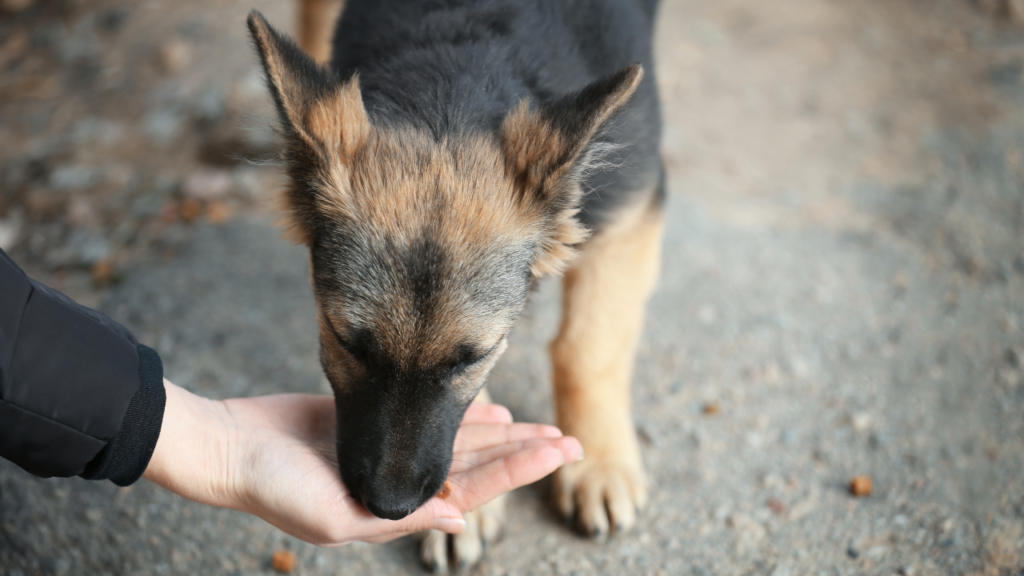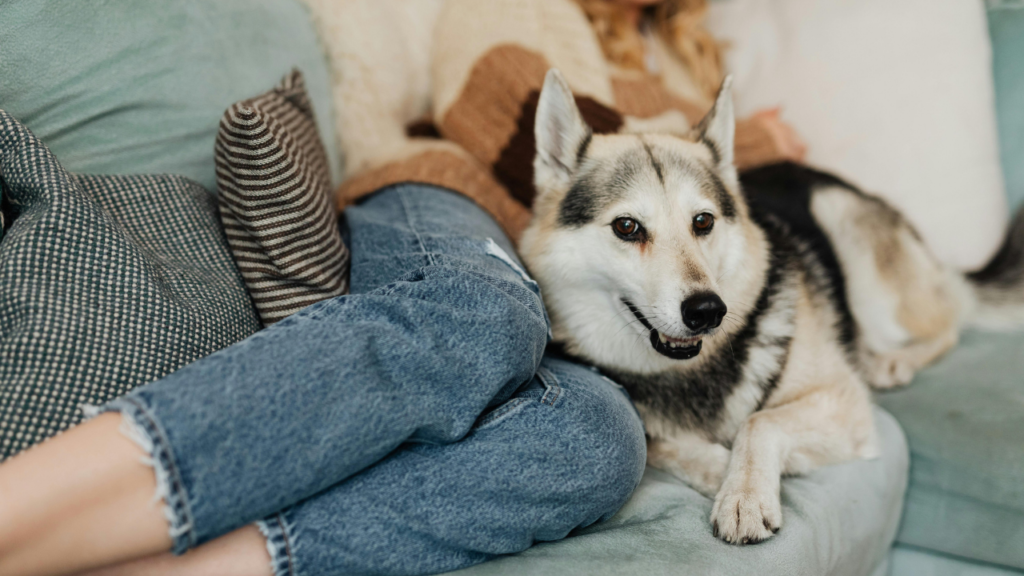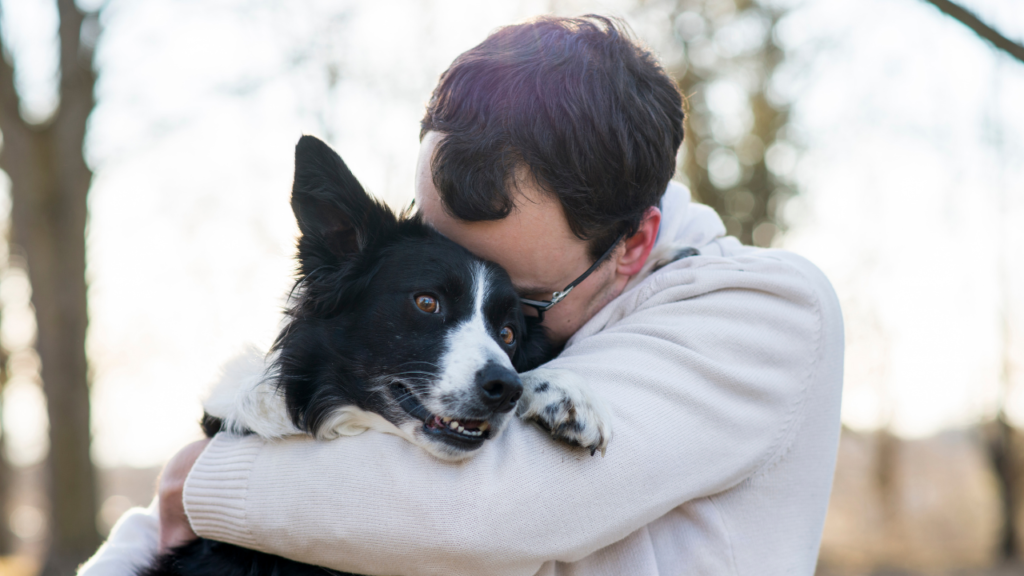
Gratitude. It’s that warm, fuzzy feeling we get when someone holds the door for us, or when a friend hands us a much-needed coffee. Or perhaps, it’s that moment of relief when you realize your dog didn’t chew up your favorite shoes—again. But have you ever paused to wonder: can dogs feel gratitude too? Do they, in their tail-wagging, slobbery way, actually feel thankful for the treats, the belly rubs, and the endless stream of love we give them?
While we’d all love to believe our furry friends are silently expressing their appreciation with every tail wag and nuzzle, the truth, like with most things in science, is a little more complex—but also more interesting than we might have imagined. Research into canine emotions offers some fascinating insights into just how emotionally intelligent our dogs are and whether or not they experience feelings akin to gratitude.

Can Dogs Actually Feel Emotions?
Before diving into the gratitude question, it’s important to establish what we know about dog emotions in general. Over the years, numerous studies have confirmed that dogs are far from being simple creatures driven solely by instinct. They are, in fact, emotionally complex animals capable of experiencing a wide range of feelings.
According to a study published in Animal Cognition, dogs have a remarkable ability to recognize human gestures, intentions, and emotional states. Researchers found that dogs are not just passive companions—they actively read our body language, voice tones, and facial expressions, adjusting their behavior in response. This keen emotional attunement suggests that dogs possess a kind of emotional intelligence that allows them to respond in sophisticated ways to the people they love.
Another study, published in the Journal of Behavioral Processes, revealed that dogs often display signs of empathy when their owners are distressed. Whether it’s laying their head on your lap when you’re sad or simply sitting close when you’re having a bad day, dogs seem to recognize our moods and try to comfort us in their own canine way. If dogs can empathize with our emotions, might it also be possible that they feel gratitude in response to our kindness?

The Science of Gratitude in Dogs
Now, let’s tackle the big question: can dogs feel gratitude? While researchers have yet to definitively prove that dogs experience gratitude exactly like humans do, there is strong evidence suggesting that dogs can feel something very close to it.
Gratitude, as humans understand it, is a complex emotional process. It involves recognizing an act of kindness, reflecting on it, and then feeling a sense of appreciation. For dogs, their emotional processes are simpler, but that doesn’t mean they’re void of appreciation. Dogs are highly social animals, and they form deep, emotional bonds with their human companions.
One fascinating study, published in Current Biology, found that when dogs receive care, attention, and affection, their brains release oxytocin—the same hormone responsible for feelings of love and bonding in humans. This hormone not only helps to create a bond between dogs and their owners but also indicates that dogs are capable of experiencing positive emotions in response to kindness. So, while we can’t say for sure that dogs feel “thankful” in the way humans do, we can infer that they experience something akin to gratitude when they receive care.

Canine Appreciation: Loyalty, Affection, and Love
When a dog experiences positive emotions in response to kindness, they often show this through their behavior. This might look like a wagging tail, a soft gaze, or following you around the house. What we interpret as gratitude may just be the dog’s way of showing loyalty, affection, or attachment. And let’s be honest—those are all things we often associate with gratitude.
The bond between humans and dogs goes back thousands of years, and in that time, dogs have developed incredible ways of connecting with us emotionally. Dogs have evolved to thrive in human environments, and part of that includes forming strong social connections. They’ve learned that humans are their providers of food, shelter, and affection. In return, they offer loyalty and devotion—arguably the closest things to gratitude in the dog world.

A Personal Story: Benny’s Thankful Moment—Or Was It?
Now, let me share a little story about my dog, Benny. Benny is the kind of dog who doesn’t exactly ooze obedience—he’s more of the “I’ll think about it” type when I ask him to come inside or sit. But one evening, after a long day of work, I was absolutely exhausted. I plopped down on the couch, and Benny trotted over to join me, as he usually does. Out of pure habit, I gave him a piece of my sandwich—a rare treat in our house since Benny’s supposed to be on a strict diet.
Instead of inhaling it like he normally would, Benny paused, looked up at me, and then gently took the sandwich from my hand. He didn’t run off to eat it or beg for more. He just laid down beside me and rested his head on my lap. It was one of those rare moments when a normally hyper dog is completely calm.
Now, was that Benny’s way of expressing gratitude? Or was he just too tired to be his usual wild self? I’ll never know for sure, but in that moment, it definitely felt like he was saying “thank you.” And whether or not dogs truly understand gratitude in the way we do, moments like that make you wonder if maybe—just maybe—they do feel something close to it.

What This Means for Dog Owners
So, can dogs feel gratitude? The answer is, not quite in the way humans do—but they certainly experience emotions that are very close. Dogs are emotionally intelligent creatures, capable of forming deep bonds with their humans. When we show them kindness, they respond with affection, loyalty, and love—all emotions that we, as humans, often link with gratitude.
As dog owners, we don’t need a scientific journal to tell us that our dogs appreciate us. We can feel it in their eager greetings when we come home, their comfort when we’re sad, and their companionship in our daily lives. Whether it’s a wagging tail, a head resting on our lap, or a look of quiet contentment, dogs have their own unique way of showing appreciation.
So the next time your dog looks up at you with those soulful eyes, just imagine they’re silently saying “thanks”—even if, in reality, they’re just waiting for another treat. After all, who’s to say that gratitude doesn’t come in the form of a wagging tail, a loving gaze, and a slobbery kiss?