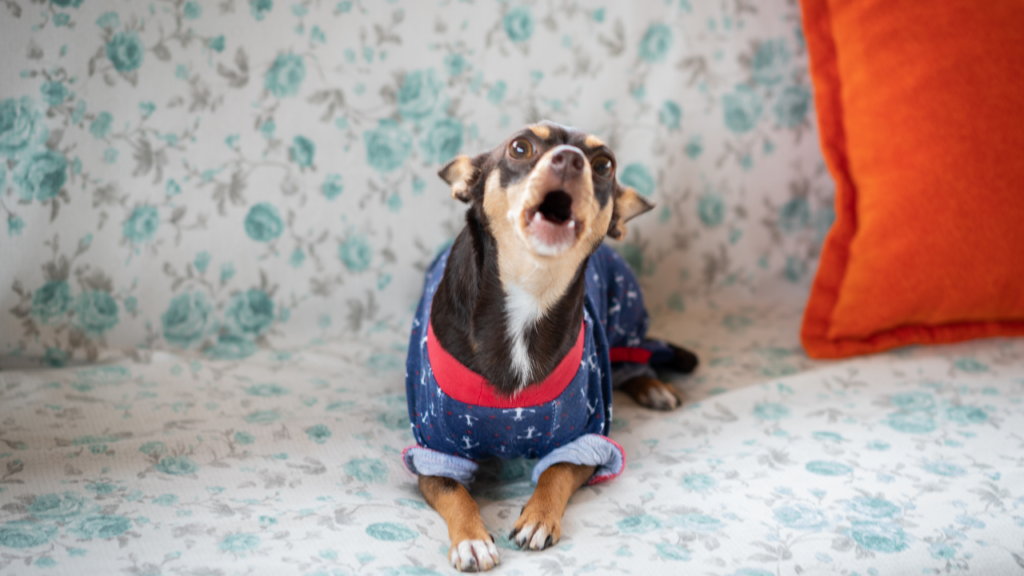

YOUR DOG IS NOT SWEET, YOUR DOG IS ANXIOUS

º

Anxiety in Your Dog

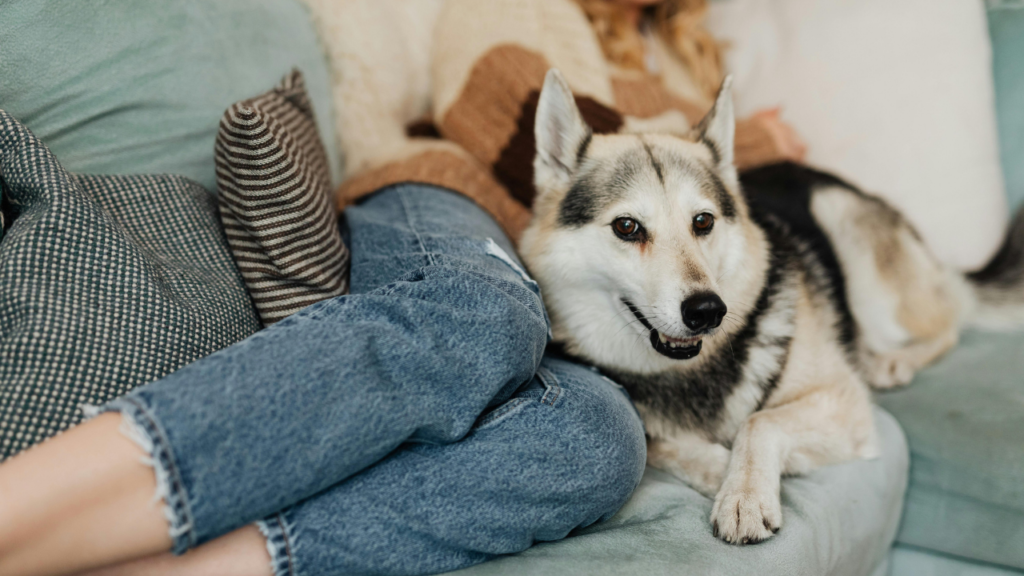
I hear this all the time with potential clients. But my dog is so sweet! She loves to be wherever I am, and she loves to cuddle with me and have me pet her all the time. And while there is no blame directed towards the human, I cringe inside a bit when I hear this.

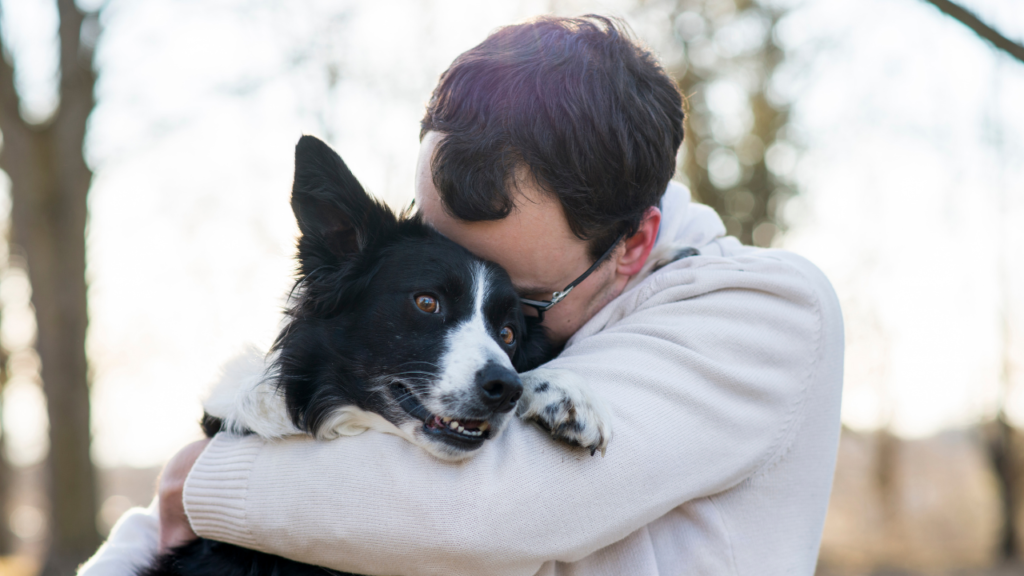
Dogs are not humans and cuddling, petting and kissing them does not mean the same thing to them that it means to us. Dogs usually exhibit this behavior when they are anxious or insecure. Positive reinforcement, like petting and kissing and cuddling, is actually telling the dog that what they are feeling is GOOD and to keep feeling that way.

How Do We Stop Anxiety?

The first thing I tell people over the phone is to please stop the affection. At least for right now. We need to get your dog in a better spot. Affection looks like petting, kissing, eye contact, soft voices and soft energy.

I also tell my clients to crate their dogs when in the house. We want the dog to have their own space and learn how to just exist without depending on anyone else.

We implement structure…crate time, place time, walk nicely, exercise, no jumping, no being crazy, listen, etc.

Is Anxiety Ever Cured?

This honestly depends on the dog. If the dog was naturally calm, but developed anxiety because there were always screaming kids running around constantly jumping on the dog, touching the dog, and not leaving the dog alone…then I would venture to say that yes, we can cure the anxiety.

If you have a dog that has an anxious TEMPERAMENT then that is a different story. We maintain a certain lifestyle with the dog to reduce any triggers. For my German Shepherd she will always be in her crate or on place in the house because her temperament is anxious. This is my way of being proactive and positively working on the anxiety.

What Can I Do Today?

For right now if you have an anxious dog please keep them crated in the house. Not because they are bad, but because we want them to practice how to be calm. The best way to do this is to put them in their crate and give them their own space. They can learn to just exist without anyone being near them and learn to calm down.

Keep your dog on a leash at all times. Even potty time. By telling your dog what to do at all times you will greatly reduce their anxiety. Dogs naturally look for leaders in the home, so become a leader for them.

Thank you for reading, and if you have any questions please click the contact button above. Thank you!

-Bethany
More Tips

Check out our other posts

The Hidden Problem With Giving Your Dog Too Many Beds

Many dog owners believe that giving their dog multiple beds throughout the house will help them feel more comfortable.

In reality, too many sleeping options can create confusion and restlessness. Dogs thrive on clarity and routine, and when they have several places to lie down, they often struggle to fully settle. This can lead to behaviors like pacing, taking over furniture, waking owners at night, and constantly seeking attention.

In this article, we explore why simplifying your dog’s sleeping space with one clear resting place can help your dog relax more deeply while also making your home calmer, cleaner, and easier to manage.

Read More »

Stop Feeling Trapped by Your Dog: The Structure That Gives You Your Life Back

What if the best reason to train your dog isn’t about them… it’s about you?

If you’re tired of chewed furniture, chaotic walks, constant supervision, and repeating “sit” like a broken record — you’re not alone. Most dog owners don’t secretly want a “perfect” dog. They want a peaceful house. A little freedom. A walk they’re not embarrassed by. A dog that actually listens the first time.

Here’s the twist: when you pursue training for “selfish” reasons — to protect your home, your time, and your sanity — your dog ends up benefiting the most.

In this blog, we’re breaking down how structure creates freedom, how leadership builds confidence, and how a few clear boundaries can completely transform your daily life. Less stress. More control. A calmer dog. A calmer home.

Because when life gets easier for you, it gets better for them too.

Read More »

Stop Buying Toys: The Real Way to Tire Out Your Dog

If your dog has a mountain of toys but still barks, jumps, chews, or won’t settle, the problem isn’t boredom — it’s lack of purpose.

In this blog, we break down why mental stimulation through structure and training works better than buying more stuff. Learn how short, focused sessions, clear expectations, and leadership can reduce destructive behavior, create calm in your home, and make your dog easier to live with — without spending another dollar on toys.

Read More »

Why I Didn’t Correct That Reactive Dog — And Why That’s Exactly Why It Works

If you’ve ever watched a reactive dog explode and wondered why I didn’t correct it immediately, you’re not alone.

But hesitation isn’t weakness — it’s strategy. Real training isn’t about dramatic corrections or proving control in the moment. It’s about timing, emotional awareness, and changing the behavior pattern long-term. A mistimed correction can create confusion, increase anxiety, and actually make reactivity worse.

In this blog, I break down the difference between training and theatrics — and why precision timing is what creates lasting results, not impressive moments.

Read More »