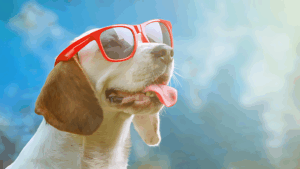
Summer brings sunshine, longer days, and more chances to get outside with your dog—but it also presents some serious training and safety challenges. Hot weather doesn’t just affect your dog physically; it impacts their focus, energy levels, and behavior, too. If your walks have gotten harder, your pup seems bored or “off,” or you’re struggling to keep up with training in the heat, you’re not alone.
The good news? You don’t need to suffer through sweaty, frustrating sessions. With just a few simple tweaks, you can keep your dog active, engaged, and well-mannered—all while avoiding overheating and burnout.
Let’s walk through smart, low-effort summer solutions that work.
The “No Drama” Guide to Knowing When It’s Too Hot for Walks
Avoid burned paws, heatstroke, and that guilty dog-mom feeling.
When the pavement’s hot enough to fry an egg, your dog’s paws are at risk. Use the 5-second test: place the back of your hand on the ground. If it’s too hot to hold for 5 seconds, it’s too hot for a walk.
Dogs cool off by panting, not sweating—so when the air is already hot, they struggle to regulate their temperature. That leads to overheating, especially in short-snouted breeds, seniors, or dogs with thick coats.
Instead of pushing through, choose cooler times of day (early morning or evening), walk on grass when possible, or skip the walk altogether and opt for indoor activities that still offer structure and stimulation.
Want to swap ideas with other dog owners navigating the heat? Join our community:
➡️ Dogs Unleashed – Utah County (Facebook Group)
Mental Games That Tire Your Dog Out Without Stepping Outside
Too hot for fetch? These brain boosters do the job without the sweat.
Here’s the secret to a calm summer dog: mental stimulation. Just 10–15 minutes of thinking games can be more effective than a full walk in the sun. Try:
- Snuffle mats or puzzle feeders
- Hide-and-seek with treats or toys
- Obedience refreshers like “place,” “wait,” or “touch”
- DIY obstacle courses using chairs, blankets, or laundry baskets
These games don’t just burn energy—they also improve impulse control, confidence, and focus.
Need help finding the right enrichment routine for your dog this summer?
➡️ Contact Us for customized advice or private training options.
How to Keep Your Dog Active Without Overheating (or Overdoing It)
Yes, you can have a tired dog without the soaked shirt and sunburn.
You don’t need a full workout in 90-degree heat to wear your dog out. Instead, try these summer-safe energy outlets:
- Kiddie pools or sprinklers for water play
- Short shaded games of fetch or “find it”
- Early-morning walks with training intervals
- Light backyard agility using patio furniture or cones
Keep sessions short (5–10 minutes), focus on fun, and always offer water and rest breaks. If your dog starts panting excessively, drooling heavily, or seems disoriented—stop immediately. Safety first.
Not sure if your dog’s behavior is heat-related or something deeper?
➡️ Read this guide on signs of overwhelm during socialization
How to Avoid the “Bored and Naughty” Summer Dog Syndrome
When your dog doesn’t get the right kind of activity, your couch pays for it.
Chewed shoes. Torn-up pillows. Barking at shadows. These aren’t just “bad behavior”—they’re signs of boredom. Dogs with pent-up energy and no outlet often turn to destructive habits.
Here’s the fix: give them small, meaningful jobs each day.
A few ideas:
- 10-minute training sessions
- Interactive toys or treat puzzles
- Structured playtime indoors (tug, fetch, scent work)
- Hide-and-seek games with food or toys
Mental work helps them burn energy, practice patience, and stay connected to you—even when the weather outside isn’t walk-friendly. Plus, a tired brain leads to a calm body. That’s less destruction and more peace and quiet for everyone in the house.
Conclusion
Summer doesn’t have to mean behavioral setbacks or overheated pups. With a few smart tweaks—like avoiding peak heat, swapping long walks for short indoor games, and creating mentally engaging routines—you can keep your dog happy, focused, and well-behaved without sacrificing your comfort (or theirs).
Whether you’re working indoors, playing in the shade, or getting in early-morning reps, the goal is the same: meet your dog’s needs safely and consistently. The result? Fewer meltdowns, less destruction, and a stronger bond between you and your pup.
Stay cool, stay smart, and enjoy summer with a calm, happy dog by your side.