
Every dog owner dreams of that picture-perfect moment: your dog trotting calmly beside you, responding instantly, and making you look like the most capable handler in the park. But here’s the truth—ditching the e-collar doesn’t magically create that kind of obedience. In fact, many owners learn the hard way that their dog’s behavior isn’t about the tool at all—it’s about the work behind it.
The real question isn’t “Can I train without an e-collar?” but rather “Have I earned the right to train without one?” Reliable obedience is about consistency, clarity, and structure. Without those, even the fanciest training gear—or the decision to go without it—will leave you frustrated.
If you’re tired of daily battles, embarrassed by your dog’s behavior, or simply want the freedom of true control, this blog will show you why obedience is about more than the tools.
The Freedom Factor: Off-Leash Reliability Without Stress
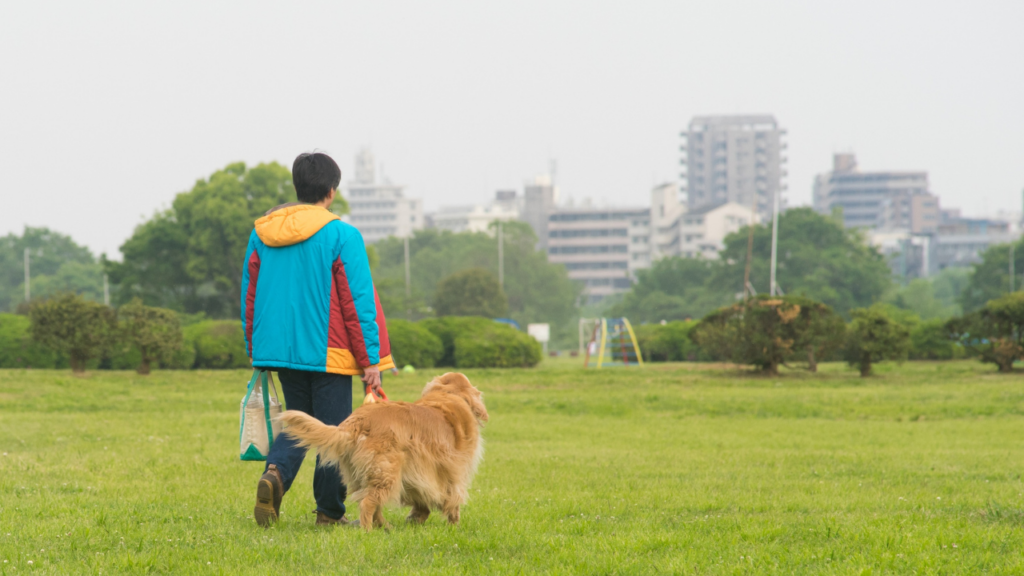
Imagine this: you unclip the leash at the park, your dog trots off with tail high, then—at the sound of your voice—comes racing back without hesitation. No yelling. No chasing. No red-faced apologies as your dog barrels into strangers. Just calm, predictable control. That’s the power of true off-leash reliability.
For most owners, stress creeps in the moment the leash comes off. The “what ifs” spiral—what if my dog ignores me, what if they chase a squirrel, what if someone sees me lose control? That tension ruins the very experience off-leash freedom should bring: relaxation and enjoyment. Reliable obedience, built step by step, replaces that stress with confidence. When your dog listens the first time, you stop bracing for embarrassment.
Think about the luxury of where you could go. Hikes become smoother without the tug of a leash. Trips to coffee shops, beaches, or family gatherings stop being nerve-wracking because your dog knows how to settle, stay close, and respond immediately. Even the simple act of walking through your neighborhood feels different—lighter—when you’re not locked in a battle of wills.
Off-leash reliability also transforms how others see you. Instead of being “the person with the out-of-control dog,” you become the owner whose dog is calm, steady, and impressive. People notice. Friends want to join your outings. Family members stop avoiding invites because of your dog’s behavior. The confidence radiates outward—it doesn’t just change your dog’s life, it changes yours.
But here’s the key: freedom without stress doesn’t come from ditching tools prematurely or hoping your dog “just gets it.” It’s earned through consistent structure, clear communication, and training that holds up in real-world distractions. Once you’ve laid that foundation, letting go of the leash becomes a reward—for both you and your dog.
True freedom isn’t about removing tools. It’s about reaching the point where you don’t need them anymore because the trust and clarity are already built. That’s when the stress disappears. That’s when the luxury of taking your dog anywhere, confidently and proudly, becomes your everyday reality.
👉 Curious how long it really takes to get there? Check out our breakdown here: How Long Does It Take to See Progress in Dog Training?
Save Your Sanity: No More Daily Battles
Living with a dog should feel like a joy, not a tug-of-war. Yet for many owners, the daily grind of nagging issues—pulling on walks, jumping on guests, chewing furniture, or ignoring commands—turns every interaction into a mini-battle. It’s exhausting. Instead of enjoying your dog, you find yourself frustrated, raising your voice, or constantly repeating yourself. And when every day feels like damage control, it steals the peace you hoped having a dog would bring.
Proper obedience training—done with or without tools—changes this dynamic completely. It replaces chaos with structure and replaces conflict with clarity. Suddenly, your dog isn’t testing you every step of the way. They know the rules, they understand what’s expected, and they follow through. Imagine walking down the street without getting yanked around. Imagine greeting guests without the embarrassment of a dog that tackles them at the door. Imagine sitting down at night and actually relaxing instead of scanning the room for the next thing your dog might destroy.
This isn’t about perfection or turning your dog into a robot. It’s about restoring balance to your life. Training is less about controlling every moment and more about setting boundaries so you don’t have to constantly fight for them. A dog that understands and respects those boundaries gives you breathing room—mentally and emotionally.
Reclaiming your sanity also means reclaiming your home. The constant tension—whether it’s worrying about shoes being shredded, couches being chewed, or kids being knocked down—melts away when obedience is consistent. You’re no longer “on guard” every minute. That peace of mind is worth more than anything.
And here’s the truth: dogs thrive in this structure, too. They don’t want endless corrections or chaos any more than you do. Clear communication reduces stress for both sides. Your dog feels secure, you feel in control, and suddenly the relationship feels lighter, more enjoyable.
When you strip away the daily battles, you finally get to experience what owning a dog was meant to feel like—companionship, trust, and harmony. No e-collar required, no tools magically doing the work for you. Just training that makes life simpler, calmer, and a whole lot more fun.
👉 Want support while working through those challenges? Join our free community here: Dogs Unleashed Utah County
Time Is Money: Faster Results, Less Wasted Energy
Every dog owner knows the frustration of wasted time. You give a command, your dog ignores it, and suddenly you’re caught in a loop of repeating yourself, raising your voice, or chasing them around. Ten minutes later, nothing has changed—except your patience is gone. Multiply that by every walk, every meal, every outing, and you quickly realize just how much energy is being drained by ineffective obedience.
Structured training is the antidote to all of that. It’s not about working harder; it’s about working smarter. When your dog learns clear commands with consistent follow-through, you stop having to micromanage every little behavior. Instead of endless corrections, you get immediate responses. Instead of a tug-of-war over the leash, you get calm walks that actually save time. Structured training eliminates the wasted cycles and frees up mental space for you to actually enjoy your dog.
Think of obedience as an investment in efficiency. The time you put into structured training now pays you back tenfold in the future. A few focused minutes of practice each day prevent hours of frustration down the road. Your dog learns faster, your corrections become fewer, and your household runs smoother. You don’t need to rearrange your life around misbehavior—you simply set the structure once and reap the rewards every day.
Efficiency isn’t just about speed, though. It’s about results that last. A dog who learns through consistency doesn’t just behave in training sessions; they behave in real life—on busy streets, in crowded parks, or when guests arrive at the door. That reliability saves you countless “teaching moments” that would otherwise eat away at your energy.
And let’s be honest: your time is valuable. Whether it’s family, work, or just the desire to relax, you don’t want to spend your evenings battling your dog’s behavior. Obedience that sticks gives you freedom to focus on what matters most—without the constant drain of repeating yourself.
When training is structured, you win back your time, your patience, and your peace of mind. The result? A calmer dog, a smoother household, and far less wasted energy. In the end, obedience isn’t just about control—it’s about efficiency, and efficiency is the fastest way to results.
👉 Ready to start saving time today? Reach out to us directly: Contact Be The Boss Dog Training
Conclusion
At the end of the day, obedience without the e-collar isn’t about taking shortcuts or ditching tools to prove a point—it’s about earning the kind of relationship where your dog listens because the foundation is solid. The freedom of off-leash reliability, the sanity of a peaceful home, the pride of a well-behaved dog, and the efficiency of faster results all come down to one thing: structure backed by consistency.
True obedience is less about what you remove and more about what you build. Tools may help along the way, but they’re never the whole story. When you put in the time, create clear boundaries, and commit to the process, you gain something far more valuable than control—you gain freedom.
Not just for your dog, but for yourself. And that’s the reward worth chasing.