Ever wonder why your dog suddenly shuts down on a walk, ignores commands mid-training, or snaps at something “out of nowhere”? The truth is, most dogs communicate stress long before they react—but their signals are often missed or misunderstood. Lip licking, yawning, panting, freezing—these aren’t quirks or random behaviors. They’re your dog’s way of saying, “I’m not okay.”
In this blog, we’ll break down how to recognize subtle stress signals, how to respond without making things worse, and how to adjust your training based on your dog’s emotional state. When you learn to speak your dog’s language—not just correct their behavior—you’ll start to see better results, fewer outbursts, and a stronger bond built on trust, not tension.
Whether you’re dealing with reactivity, confusion in training, or just want to better understand your pup, this guide will help you connect on a whole new level.
Why Your Dog’s Stress Is Making Your Life Harder
Let’s be honest—having a dog that lunges on leash, ignores commands, or melts down around strangers isn’t just frustrating… it’s embarrassing. You’re doing your best. You’ve watched videos, bought the gear, maybe even hired help. But nothing sticks. Why? Because in so many cases, we’re treating the behavior without understanding the emotion behind it.
Here’s the hard truth: stressed dogs don’t behave well. Period.
When you ignore your dog’s early stress signals—like panting, lip licking, freezing, or constant scanning—you’re missing the warnings before the storm. That leash reactivity? It usually starts with subtle discomfort that goes unaddressed. The “selective hearing” during training? It’s not stubbornness—it’s emotional overload.
Need help figuring out what those early stress cues look like? This blog breaks it down and explains why your trained dog still struggles under pressure.
The good news? When you fix the stress, the behavior often changes on its own.
The #1 Reason Your Dog ‘Doesn’t Listen’ (Hint: It’s Not You)
Every dog owner has been there—you’re giving a cue your dog knows, and suddenly they’re ignoring you. But here’s the truth: in most cases, your dog isn’t being stubborn. They’re overwhelmed.
Stress is the biggest (and most overlooked) reason dogs seem “disobedient.” When your dog is in a heightened emotional state—scanning the environment, panting, lip licking, avoiding eye contact—their brain isn’t in learning mode. It’s in survival mode.
So what’s the fix? Start by learning to listen to them first. Notice the moments they start to check out—do their ears flatten? Do they turn their head away? Start yawning or freezing? These are signs your dog is saying, “I need a second.”
If you’re not sure what your dog’s body language means, hop into our free Facebook group, Dogs Unleashed Utah County. We share real-life examples and videos to help dog owners recognize subtle stress signals and share progress with others on the same journey.
How to Avoid the Embarrassment of a Reactive Meltdown
There’s nothing quite like the sinking feeling of your dog barking, lunging, or losing it in public while everyone stares. And if you’ve ever said, “He’s never done that before!”—you’re not alone.
But here’s the truth: dogs don’t suddenly explode. They build up to it.
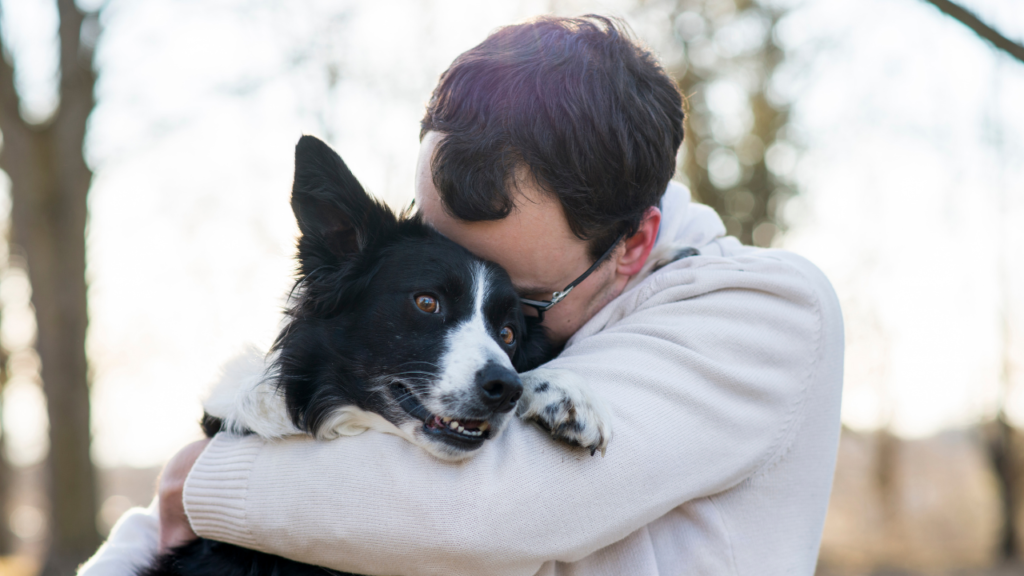
Reactivity is almost always preceded by early stress signals—subtle signs your dog is uncomfortable or overwhelmed. Lip licking, yawning, pacing, freezing, avoiding eye contact, or intense scanning of the environment—all of these can be quiet cries for help before the outburst begins.
The moment your dog starts showing those early signals, that’s your cue to intervene—not with punishment, but with support. Cross the street, redirect with food, create space. You’re not avoiding the issue—you’re preventing a meltdown and protecting your dog’s emotional state.
Learning how to respond early gives you control without confrontation—and makes those reactive episodes much less frequent.
Want a Calm, Obedient Dog? Learn to Read the Room
If you’ve ever found yourself repeating commands, raising your voice, or wondering why your dog listens sometimes and not others—you’re not alone. Most dog owners think training is about saying the right words or using the right tools. But real success? It starts with reading the room—or more specifically, your dog’s emotional state.
Dogs communicate constantly through body language. If you’re not paying attention to their cues, you might be training at the wrong time—when they’re too distracted, too stressed, or too disconnected to learn. That’s when power struggles start. You’re trying to teach, and your dog is silently saying, “Not now.”
Training smarter—not harder—means paying attention to:
- Your dog’s eye contact and focus
- Their posture and movement
- Their willingness to engage or disconnect
- The overall “vibe” they’re giving off
If this feels overwhelming to do on your own, don’t worry. We offer a free Zoom consultation to walk you through it one-on-one. Message us here and we’ll help you decode your dog’s stress language and build a training plan that fits.
Conclusion
Understanding your dog’s body language isn’t just about preventing meltdowns or fixing “bad” behavior—it’s about building a relationship rooted in trust. The more you learn to spot subtle stress signals like panting, lip licking, or disengagement, the more effective (and compassionate) your training becomes. You stop reacting and start responding. You stop guessing and start connecting.
If you’ve ever wondered why your perfectly trained dog seems to ignore you during high-stress situations, this article explains exactly why. It’s not about the commands—it’s about the context and emotional state.
Want to connect with other dog owners who are working through similar challenges? Join our free community at Dogs Unleashed Utah County—you’ll find support, real stories, and helpful tips every day.