
Picture this: you’re standing in a room full of wriggling puppies, all tumbling over each other in a chaotic, fluffy mess of tails, ears, and puppy breath. Sounds adorable, right? Sure, until six months later when that “adorable” puppy is eating your couch, terrorizing the neighbor’s cat, and dragging you down the street like a kite on a windy day. Choosing the right puppy for your family is a big deal, and I’m here to make sure you don’t screw it up.

Adopt or Shop: The Eternal Debate
Let’s get one thing straight: whether you adopt or buy a puppy, you’re making a life-altering decision for that dog and your family. If you’re adopting, good on you! It’s affordable, gives a homeless puppy a loving home, and can sometimes come with unexpected (and delightful) surprises.
But if you’re browsing “puppies for sale” ads or Googling “dog breeders near me,” you’d better do your homework. A reputable breeder doesn’t just hand over a cute face—they hand over years of careful breeding for health, safety, and temperament. That means fewer medical bills, fewer behavioral nightmares, and a dog that’s truly suited for your family.
I’ll never forget the time I went to “check out” a litter from a backyard breeder. The mom was chained to a tree, the pups were covered in fleas, and the breeder proudly told me, “They’re part Poodle, part…uh, something.” Guess what? I walked out of there empty-handed, furious, and determined never to let anyone I know fall into that trap. (Spoiler alert: I now have a list of what to look for in breeders I’ll happily share if you ask).
Temperament Testing: Don’t Skip It
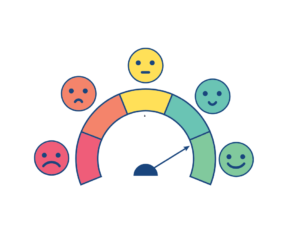
Every puppy is cute. Not every puppy is right for you. This is where temperament testing comes in. A good breeder will do this for you, but if they don’t—or if you’re adopting—call in the professionals. We’re happy to help at 385.442.7768.
Testing temperament is crucial. Want a chill couch potato? You’ll regret picking the pup that bolts straight for the toy bin every time. Got kids? You need a puppy that’s patient and gentle, not the one that growls when you touch their food bowl. This step is non-negotiable if you want a dog that actually fits your life instead of upending it.

Research the Breed Like Your Sanity Depends on It
Not all dogs are created equal, and that cute little “small dog for sale” might turn into your worst nightmare if it’s the wrong fit. Live in a tiny apartment? Maybe skip the Border Collie. Got a busy family with young kids? A delicate toy breed might not be the best choice.
The best way to figure out what breed works for your home is to talk to real people who’ve lived with those dogs. Join our Facebook group (facebook.com/dogsunleashedutahcounty) where we’ve got trainers, breeders, and experienced dog owners ready to spill the tea on every breed imaginable.

Invest in Training—Yes, Even Before You Buy the Puppy
Here’s a secret: training doesn’t start when the puppy moves in. It starts the moment you decide to bring a dog into your home. Educate yourself now so you don’t end up panic-Googling “how to stop my puppy from biting” at 2 a.m. We’ve got loads of free resources over on our blog (bethebossdogtraining.com/blog) to get you started.
The right training can transform a good puppy into a great dog. But the wrong training—or worse, no training at all—can leave you pulling your hair out. Invest early, and trust me, you’ll thank yourself later.
Picking the right puppy for your family isn’t just about finding the cutest face or the fluffiest fur. It’s about setting yourself up for years of joy (not chaos). Whether you’re browsing “small dogs for sale” or visiting shelters, remember to think with your brain and your heart.
Oh, and if you need a little extra help? You know where to find us. (Hint: 385.442.7768 or bethebossdogtraining.com)