
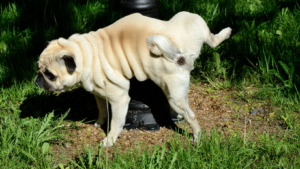
Ah, neutering – one of those polarizing topics that sparks debates among dog owners faster than you can say “unfixed male.” If you’ve ever been in the company of dog parents, you’ve likely heard the same question over and over: “Will neutering stop my dog from marking everything in sight?”
It’s a common concern, especially if your furry friend has turned your living room into his personal bathroom, complete with scented territorial claims on your favorite furniture. But, is the solution really as simple as snipping away those instincts?
Let’s take a closer look at what’s really going on here, and whether neutering can solve your marking woes – or if it’s just one piece of a much bigger puzzle.

The Myth of the Magic Fix
Before diving into the deep end of dog behavior, let’s clear up a major misconception: neutering isn’t an instant cure-all for everything under the sun. Sure, it can have a significant impact on a dog’s hormonal balance, but it’s not a magic wand that suddenly erases all behavioral quirks. Think of it more like a useful tool in the behavioral toolbox – helpful, but not a guarantee.
For some reason, many pet owners believe that neutering is the key to solving marking behavior. It’s understandable; after all, marking is often linked to testosterone, the hormone responsible for all that macho posturing in the canine world. But the truth is, marking isn’t just about hormones. It’s also about your dog’s environment, habits, and even personality. That’s right, neutered or not, some dogs are just more prone to marking than others.
And this brings me to one very memorable client experience…

A Personal Tale of Marking Mayhem
Let me introduce you to Hank – a bouncy Labrador mix with more energy than a toddler on a sugar high. Hank’s owners had tried everything to stop his marking spree inside the house. Every chair, every table leg, and, horrifyingly enough, every guest’s shoes were fair game for his spritzes of territorial essence. Fed up with this behavior, his owners came to me in desperation, hoping I’d tell them that neutering would be the golden ticket to a mark-free life.
But here’s the kicker: Hank was already neutered! Yep, snipped and clipped, yet still marking everything like a champion.
As I worked with Hank, it became clear that his marking wasn’t a biological necessity, but a learned habit. He had decided that marking was his way of saying, “This is my space, and I’ll pee where I want!” It wasn’t about hormones, it was about behavior. So, we had to approach the problem from a different angle, teaching Hank boundaries, reinforcing house rules, and redirecting his attention. In the end, it wasn’t the neutering that fixed Hank’s marking problem – it was training and consistency.

So, What Exactly Is Marking?
For those of you lucky enough to have a dog that doesn’t mark, let’s backtrack a little and talk about what marking actually is. It’s not the same as a regular potty break. Marking is more like leaving a calling card: “I was here, this is mine.” It’s territorial, social, and yes, often hormone-driven. But that’s only part of the story.
Dogs mark for a variety of reasons: to claim their turf, to communicate with other dogs, to assert dominance, or even because they’re feeling anxious. It’s not just an “intact male” issue, either. Neutered males and even some females can get into the marking habit, especially in multi-pet households or high-stress environments.
In other words, if your dog’s marking like he’s trying to win a competition, there’s more at play than just hormones.

The Role of Neutering in Marking
Now, don’t get me wrong – neutering can reduce marking behavior, especially if the habit hasn’t been deeply ingrained yet. Studies show that neutering can decrease marking in about 50-60% of cases. That’s not too shabby! But there’s a catch: timing is everything.
If you neuter a dog before marking becomes a full-blown habit (around 6-12 months of age for most dogs), there’s a higher chance you’ll see a reduction in the behavior. However, if your dog has been marking for years, the behavior is more likely to stick around even after neutering. By that point, marking has become a learned behavior – and learned behaviors need training to undo.
And here’s the really fun part: some dogs just never stop marking. Yep, you can neuter them, train them, bribe them with treats, and they’ll still find that one spot in the house they insist on marking. It’s like they’ve signed a lease on that corner of the couch, and no one is going to tell them otherwise.

Training: The Real Solution to Marking
Which brings us to the real heart of the matter: training. Whether your dog is neutered or not, if marking has become a habit, you’ll need to put in some effort to curb the behavior. Here’s how:
- Supervision is Key
Watch your dog like a hawk when he’s in the house. The second you see him sniffing around like he’s about to mark, redirect him outside or to an appropriate potty spot. Don’t wait until he’s mid-spray – catch him before he makes a move. - Set Clear Boundaries
Make certain areas of your house off-limits if marking is becoming a problem. Use baby gates or close doors to areas where your dog likes to mark. Sometimes, limiting access can be enough to break the habit. - Positive Reinforcement
Reward your dog for good behavior. When he goes outside to do his business, give him a treat or praise. Make sure he knows that going outside is the best option, not marking indoors. - Clean Up Like a Pro
If your dog has already marked inside, clean the area thoroughly with an enzymatic cleaner to remove any scent. Dogs are drawn back to spots they’ve previously marked, so getting rid of the smell is crucial. - Manage Anxiety and Stress
If your dog’s marking is stress-related, focus on reducing the triggers. Whether it’s separation anxiety, fear, or a new pet in the house, addressing the underlying emotional issue will help reduce marking.

Neutering: A Piece of the Puzzle
So, will neutering solve your dog’s marking behavior? The answer is… maybe. It’s definitely worth considering, especially if your dog is young and hasn’t yet formed a strong marking habit. For older dogs, neutering can still help by reducing testosterone levels, but don’t expect it to be an overnight fix. Neutering is just one piece of the puzzle, and the rest comes down to understanding your dog’s motivations and addressing the behavior through training.

When Neutering Isn’t Enough
If your dog is already neutered and still marking, it’s time to shift the focus from hormones to habits. Behavior modification techniques, consistency, and lots of patience are the key. And if you’re feeling overwhelmed, don’t hesitate to seek help from a professional trainer (like Hank’s owners did). Sometimes, an outside perspective can make all the difference.

Wrapping It Up
To neuter or not to neuter? When it comes to marking behavior, the answer isn’t as straightforward as we might hope. Neutering can certainly help reduce marking, but it’s not a guaranteed solution. Dogs, like people, are complex creatures with their own personalities, habits, and motivations. Addressing marking behavior often requires a multi-faceted approach that includes training, supervision, and yes, sometimes a little help from the vet.
So, if your dog has turned your house into his personal marking territory, don’t despair! With the right combination of techniques, you can help your dog understand that the couch belongs to you – not his bladder.
And who knows? Maybe one day, you’ll even look back on all those marking incidents and laugh… after a deep cleaning session, of course.