ONE WAY YOU ARE NOT PROTECTING YOUR SMALL DOG

º

Did you know that I see small dogs engaging in more life-threatening behavior than big dogs? Most people protect their small dogs. They protect them from illnesses, getting cold or getting hit by a car. But did you know you need to protect your small dog from him/herself? Let me explain.
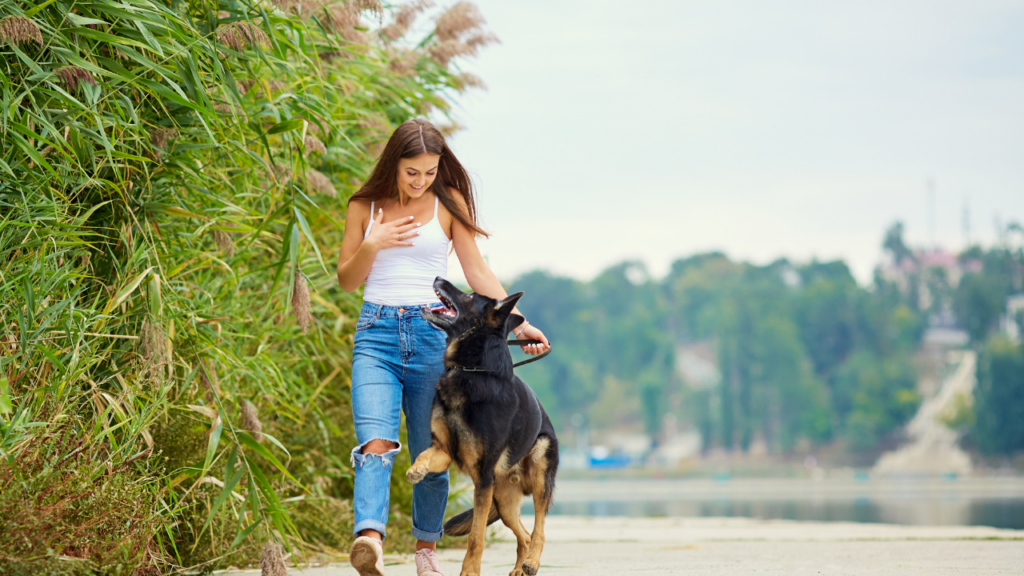
I have a german shepherd. She used to attack any dog that came close to her, or that she interacted with. We found a great trainer, and now she can play and interact with other calm dogs. This has made our lives better, and made the dogs in our neighborhood safer as well.


However, on our daily walks throughout the week we always run across different small dogs. Some of them run away from their owners and run directly up to my german shepherd. Most of the time, the frazzled owner is right behind their dog frantically calling them to come back with little success.
Now…I’m never worried about my dogs. They are both around 50-60 lbs. The risk to their life is pretty minimal. If the small dog is truly aggressive they may get bitten, but it’s never a life and death situation.
The story for the small dog is different.


I’ve heard a handful of owners yell to me…”Don’t worry! My dog is friendly!” And that’s great, I’m glad your dog is friendly. But guess what? Did you know that my german shepherd may NOT be friendly?
Thank GOODNESS she’s trained, and the likelihood of your dog getting bit is pretty small. But what if your dog ran up to another big dog that is NOT friendly and NOT trained? (Which happens A LOT by the way. It’s probably the norm).


The bigger dog doesn’t care if your dog is friendly. It doesn’t care that your small dog is named Fluffy or Spot and is all bark and no bite. The big dog WILL bite your small dog. And due to the size difference, guess who gets the short end of the stick?


At best?…massive injury. At worst?…probably death.
Keeping a small dog safe from illness, cold and being hit by a car are very responsible things to do. But what about keeping the small dog safe from him/herself? Training your dog is loving your dog. After all, for a small dog it could be a matter of life and death.
More Tips

Check out our other posts

Does Training Count as Mental Exercise for Dogs?

Is your dog still full of energy even after a long walk?

The problem may not be a lack of physical exercise—it could be a lack of mental stimulation. In this article, you’ll discover why training counts as mental exercise, how it can help reduce common behavior problems like jumping, barking, and destructive chewing, and why just 10 minutes of focused training can be more effective than an hour of physical activity.

Learn simple ways to challenge your dog’s mind through training games, food puzzles, scent work, and everyday enrichment activities that create a calmer, happier, and better-behaved companion.

Read More »

The Dog Training Secret Most Owners Overlook

You walk your dog, play fetch, and make sure they get plenty of exercise—so why are they still barking, pulling on the leash, jumping on guests, or acting restless at home?

The answer may be simpler than you think. Many behavior problems aren’t caused by a lack of physical exercise but by a lack of mental stimulation. In this article, you’ll discover why mental exercise is essential for your dog’s well-being, how just a few minutes of brain work can reduce unwanted behaviors, and simple ways to create a calmer, more focused, and better-behaved dog.

Read More »

Your Dog Has 5 Bosses—and That’s the Problem

Think your dog is stubborn? Think again.

Many behavior problems—from ignoring commands and pulling on the leash to jumping on guests and begging at the table—aren’t caused by a lack of training. They’re caused by confusion. When family members use different commands, enforce different rules, or reward different behaviors, dogs are left guessing what’s expected of them.

In this article, you’ll discover how inconsistency creates hesitation, why your dog may listen to some people but not others, and the simple changes that can transform confusion into confidence.

Read More »

The Hidden Psychology Behind Dog Regression After Travel

Did your dog suddenly stop listening after boarding or vacation?

You’re not alone. Many dogs regress after travel because changes in routine reset their expectations and create confusion.

In this blog, you’ll learn the real psychological reason dogs test boundaries after vacations, how accidental habits reinforce bad behavior, and the simple “vacation reset” smart dog owners use to get their dogs listening again fast.

Read More »