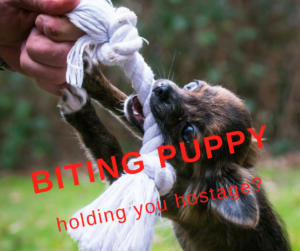
“We love our puppy but it’s hard to play with him because he bites so much.”
“Our puppy is really hurting the kids with his biting, how do we stop it?”
“We’ve been using treats and toys to stop his biting but it’s not working, can you help?”
If you any of the above questions have crossed your mind, or come out of your mouth, don’t worry, you’re not alone! When I get calls for puppy training these are almost always top of the list problems that my clients face.
Just like you, they have researched online and found differing opinions and advice on how to stop a puppy from biting. If you have researched online and tried different solutions to puppy biting and you found one that works, great! Keep doing it!
However, in my line of work, I usually get a call for help because people have tried multiple ways to stop biting and for their particular puppy it is not working.
Just like humans, each particular puppy has their own personality and temperament. I’ve run across puppies where all they needed was a finger snap and a verbal “no” to stop biting. I’ve also run across puppies where a gentle aversive needed to be put in place.
For help TODAY with puppy biting shoot me an email here for help. I’d love to talk to you about your puppy, and find the correct way to communicate for YOUR puppy to help them stop biting.
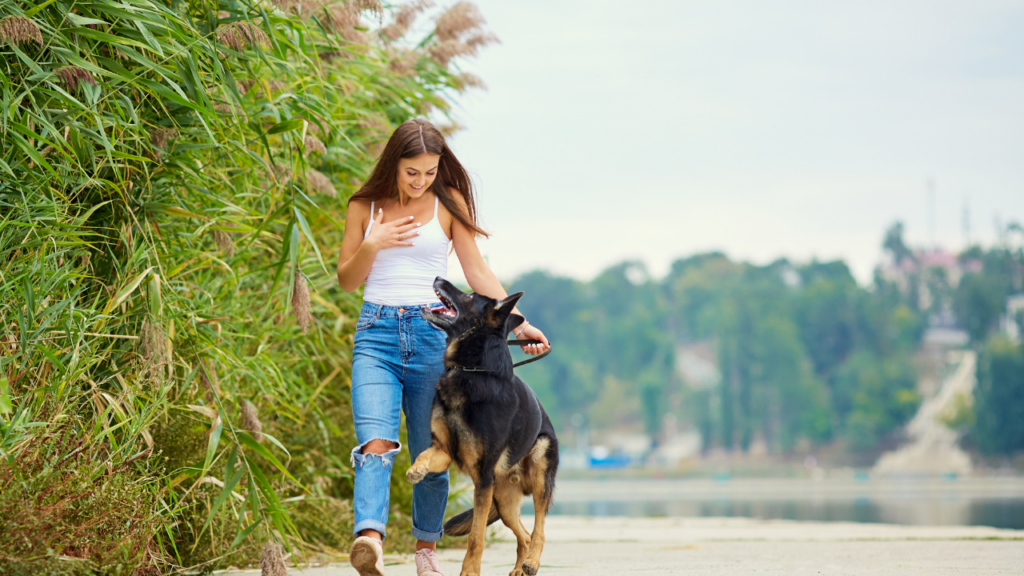
The Real Reason Your Dog Loses Their Mind on Walks
Does your dog relax peacefully at home but transform into a pulling, barking, distracted mess the moment you head outside?
This common behavior isn’t a sign of stubbornness—it’s often the result of overstimulation and a lack of emotional control in new environments.
In this article, you’ll learn why it happens, the mistakes many owners unknowingly make on walks, and how the right training can help your dog stay calm and confident anywhere in Utah County, Salt Lake City, and beyond.
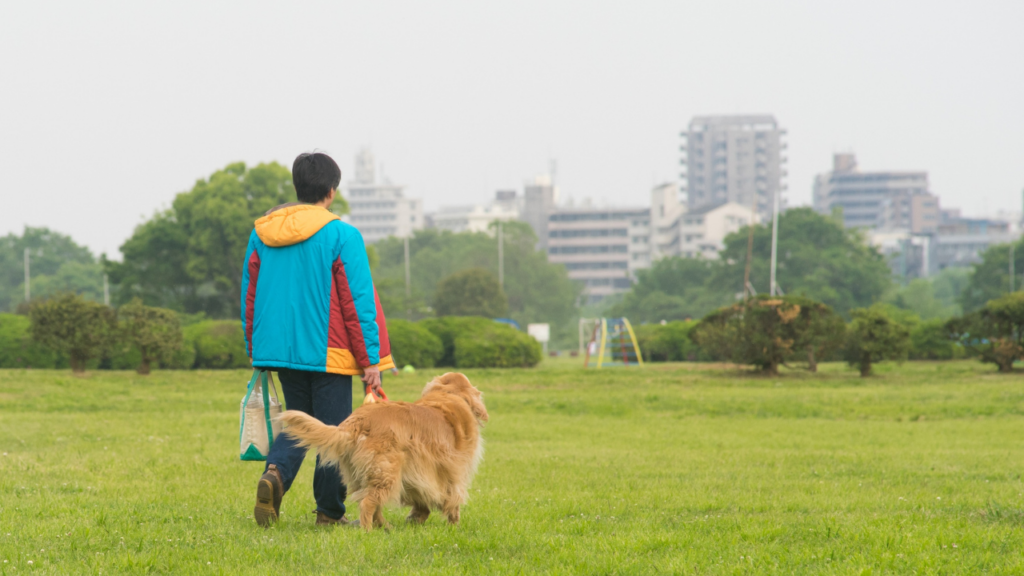
Long Walks vs. Training Sessions: Which One Really Creates a Better-Behaved Dog?
Many dog owners believe the secret to better behavior is simply taking their dog on longer walks.
But what if more exercise is actually making some behavior problems worse? While physical activity is essential, long, unstructured walks can build endurance while reinforcing habits like pulling on the leash, ignoring commands, and becoming overstimulated by the environment. In this article, you’ll discover why training sessions often produce better long-term results than endless miles, how structured walks teach self-control and focus, and why the combination of exercise and training creates a calmer, more enjoyable companion.
If you’ve been wondering why your dog is still hyper after an hour-long walk, this guide will help you understand what’s really happening—and how a smarter approach can transform your daily walks and your relationship with your dog.

How to Build Your Dog’s Confidence: A Complete Guide for Dog Owners
Does your dog bark at strangers, react to other dogs, or struggle with new situations?
Discover how to build your dog’s confidence through calm leadership, structured training, and simple daily routines. Learn the common mistakes that can unintentionally encourage fear and how to raise a calmer, happier, and more well-behaved dog with practical, proven techniques.
Perfect for dog owners looking for professional dog training advice in Utah County and Salt Lake City.

Protective or Possessive? The Truth About Dogs That Guard Their Owners
Is your dog truly protecting you, or are they acting out of fear and possessiveness?
Many owners mistake controlling behaviors for loyalty, but allowing your dog to make decisions about who can approach you can lead to stress, anxiety, and even aggression. In this guide, you’ll learn how to recognize the difference between protective and possessive behavior, why teaching trust is the key to a calm and confident dog, and the training techniques that create lasting results.
Whether you’re searching for expert dog training in Utah County or Salt Lake City, Utah, these practical tips will help you build a safer, happier relationship with your dog.