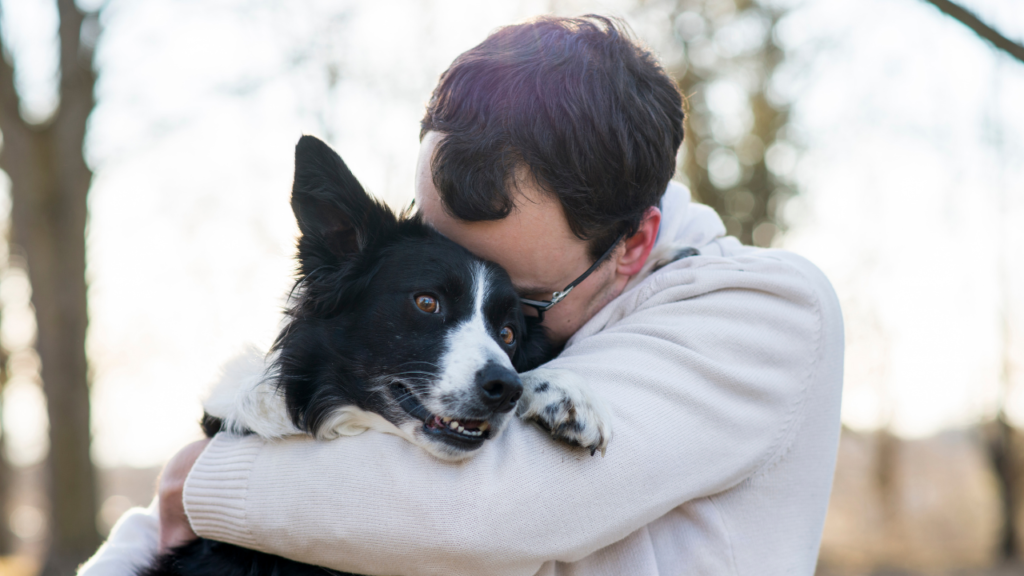
2 THINGS MY RESCUE DOGS TEACH ME ABOUT LOVING MY HUSBAND

º

Rescue dogs may come from an unknown past. Or they may be scared because they are now parted from their family. It always requires an adjustment to bring them into your home. It’s your responsibility to love, heal, and train them.
You treat them like you do your own personal dogs…knowing that they will never BE your personal dog. Every dog takes a piece of your heart with them when they leave.
So, what am I learning from my rescue dogs in the brief period we have together?

  1. Frustration is almost always caused by miscommunication
    Sometimes my husband just doesn’t KNOW that his actions are causing me frustration. I tend to not give the benefit of the doubt to him, and it seems like everything he is doing is JUST to make me mad.
    By training my rescue dogs (and yes, feeling frustrated sometimes) I realize that these dogs are not capable of doing things JUST to make me mad.
    They simply don’t know.
    They don’t know how to walk nicely yet. Or stay on place. Or not jump on me. Or be CALM.
    It is MY responsibility to be clear in helping them learn.
  2. I need to speak in a language that he understands
    Every dog is different. Their personalities, temperaments and motivations can vary widely.
    Dog number one may work well with a training collar. Dog number two may shut down completely when trained the same way.
    I’m learning to love my husband in HIS language. While I like to be loved by having him help me with an errand, and holding my hand…HIS way of being loved is a kiss on the forehead and some kind words.
    The attitude “This is just the way I am so deal with it” will NEVER be conducive to a marriage.
    Conclusion
    So…when feeling frustrated with my husband I’ve realized that it’s always out of miscommunication. Clarity is a wonderful thing.

And moving forward I’m making an effort to see my husband as an individual with different needs (and language) than my own.

After all, we are in this for the long haul!
More Tips

Check out our other posts

The Dog Training Secret Most Owners Overlook

You walk your dog, play fetch, and make sure they get plenty of exercise—so why are they still barking, pulling on the leash, jumping on guests, or acting restless at home?

The answer may be simpler than you think. Many behavior problems aren’t caused by a lack of physical exercise but by a lack of mental stimulation. In this article, you’ll discover why mental exercise is essential for your dog’s well-being, how just a few minutes of brain work can reduce unwanted behaviors, and simple ways to create a calmer, more focused, and better-behaved dog.

Read More »

Your Dog Has 5 Bosses—and That’s the Problem

Think your dog is stubborn? Think again.

Many behavior problems—from ignoring commands and pulling on the leash to jumping on guests and begging at the table—aren’t caused by a lack of training. They’re caused by confusion. When family members use different commands, enforce different rules, or reward different behaviors, dogs are left guessing what’s expected of them.

In this article, you’ll discover how inconsistency creates hesitation, why your dog may listen to some people but not others, and the simple changes that can transform confusion into confidence.

Read More »

The Hidden Psychology Behind Dog Regression After Travel

Did your dog suddenly stop listening after boarding or vacation?

You’re not alone. Many dogs regress after travel because changes in routine reset their expectations and create confusion.

In this blog, you’ll learn the real psychological reason dogs test boundaries after vacations, how accidental habits reinforce bad behavior, and the simple “vacation reset” smart dog owners use to get their dogs listening again fast.

Read More »

Fear Looks Like Obedience… Until It Falls Apart

Many dog owners mistake silence and compliance for calm behavior, but a dog that appears obedient may actually be emotionally shut down from fear or pressure.

In this blog, we break down the critical difference between true calmness and shutdown behavior, why fear-based obedience often falls apart in public, and the hidden long-term consequences of “quick fix” training methods.

Learn how emotional stability, trust, and confidence create a more reliable dog — and a much easier life for owners.

Read More »