
YOU’RE NOT IN A RELATIONSHIP…EVEN IF YOU SLEEP TOGETHER

º

Remember that boy or girl in junior high you had a crush on?  

It made your whole semester brighter when you found out you had the same class together…and turned to absolute bliss when the teacher sat you next to one another in the seating arrangement. (Contented sigh).

It didn’t matter that he/she spent the whole hour with their back to you talking to “Sally Popular” or “Joe Cool”…or the fact they completely ignored you at lunch or recess.  You pushed those rose-colored glasses back up and life was wonderful!

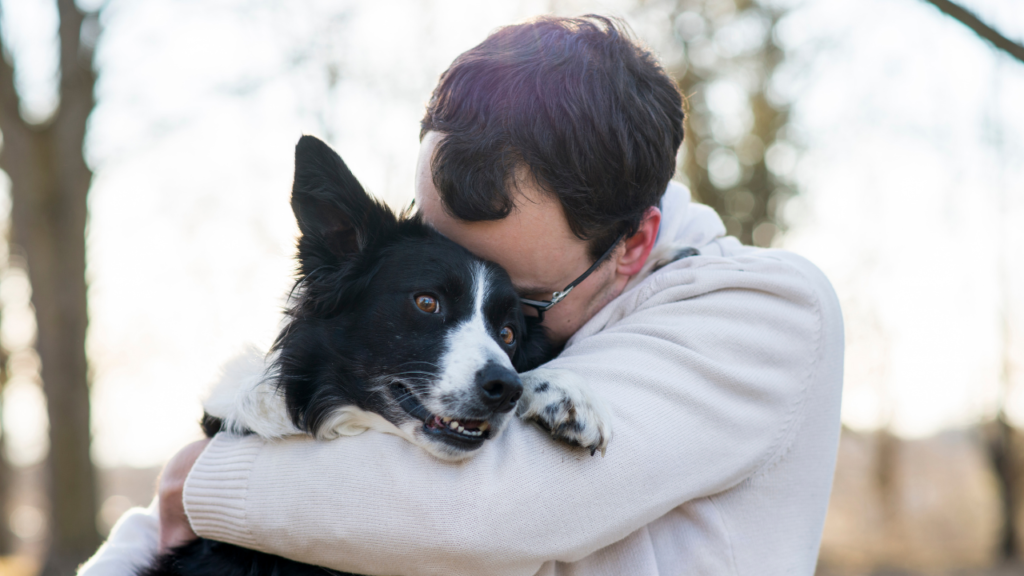
Just like your imaginary relationship in junior high, you can have an imaginary relationship with your dog.  Even though you live with your dog, it does not mean you are in a relationship with them, even if you wish it were so.  Or…does not mean you are in a healthy relationship with them.

Here are a list of things your dog may do that are a warning sign as to what kind of relationship you have:  Jumping on you or your guests, stealing food from the table/counter, walking ahead of you and pulling on the leash, lunging and barking at other dogs, not coming when called because that cat across the street is more interesting, getting excited and nipping at the children, being disrespectful in the car, and a host of other bad behavior.

OUR PROGRAM

Just like human relationships, dog relationships take work.  Luckily for us…a relationship with a dog is a lot easier to form and keep up.

Some ways you can build that relationship (which means the dog will listen to you):  The BEST thing you can do to start is have a calm, controlled walk with the dog.  Also…have the dog sit/lay on their cushion and practice staying in place while you have guests over, reprimanding them when they jump, nip or steal things from the counter, crate train them to stop them from sleeping in your bed, get a solid “come” when you call, and lots of other good habits I can help teach.

Freedoms don’t need to be taken away permanently, but the dog needs to EARN the privilege of being on the bed with you or sitting next to you with guests in the house. I tell all my clients: “You have to work to earn a comfortable lifestyle…your dog should too.”

You’ll be amazed at the rapid improvement and love you will feel towards your dog as you implement these changes.

FEBRUARY 6, 2017
More Tips

Check out our other posts

The Dog Training Secret Most Owners Overlook

You walk your dog, play fetch, and make sure they get plenty of exercise—so why are they still barking, pulling on the leash, jumping on guests, or acting restless at home?

The answer may be simpler than you think. Many behavior problems aren’t caused by a lack of physical exercise but by a lack of mental stimulation. In this article, you’ll discover why mental exercise is essential for your dog’s well-being, how just a few minutes of brain work can reduce unwanted behaviors, and simple ways to create a calmer, more focused, and better-behaved dog.

Read More »

Your Dog Has 5 Bosses—and That’s the Problem

Think your dog is stubborn? Think again.

Many behavior problems—from ignoring commands and pulling on the leash to jumping on guests and begging at the table—aren’t caused by a lack of training. They’re caused by confusion. When family members use different commands, enforce different rules, or reward different behaviors, dogs are left guessing what’s expected of them.

In this article, you’ll discover how inconsistency creates hesitation, why your dog may listen to some people but not others, and the simple changes that can transform confusion into confidence.

Read More »

The Hidden Psychology Behind Dog Regression After Travel

Did your dog suddenly stop listening after boarding or vacation?

You’re not alone. Many dogs regress after travel because changes in routine reset their expectations and create confusion.

In this blog, you’ll learn the real psychological reason dogs test boundaries after vacations, how accidental habits reinforce bad behavior, and the simple “vacation reset” smart dog owners use to get their dogs listening again fast.

Read More »

Fear Looks Like Obedience… Until It Falls Apart

Many dog owners mistake silence and compliance for calm behavior, but a dog that appears obedient may actually be emotionally shut down from fear or pressure.

In this blog, we break down the critical difference between true calmness and shutdown behavior, why fear-based obedience often falls apart in public, and the hidden long-term consequences of “quick fix” training methods.

Learn how emotional stability, trust, and confidence create a more reliable dog — and a much easier life for owners.

Read More »