
Are you tearing your hair out because your dog won’t eat?
Is your dog not eating but acting normal otherwise? You’re not alone. Thousands of pet owners face the perplexing issue of a dog refusing to eat, leaving them frustrated and worried.
Let’s dive into the nitty-gritty of why your dog won’t eat his food but will eat treats, and what you can do about it.
How do I stop my dog from being a picky eater?
My Dog Isn’t Eating but Acting Normal
First and foremost, it’s crucial to differentiate between a dog that is genuinely sick and one that is simply being picky. If your dog isn’t eating but acting normal, this could be a sign of a behavioral issue rather than a medical one.
However, don’t be fooled into complacency; behavioral issues can escalate if not addressed promptly. A dog refusing to eat but acting normal might be masking underlying stress or anxiety that could cause potential health problems

Common Reasons Why Your Dog Won’t Eat
1. Behavioral Issues
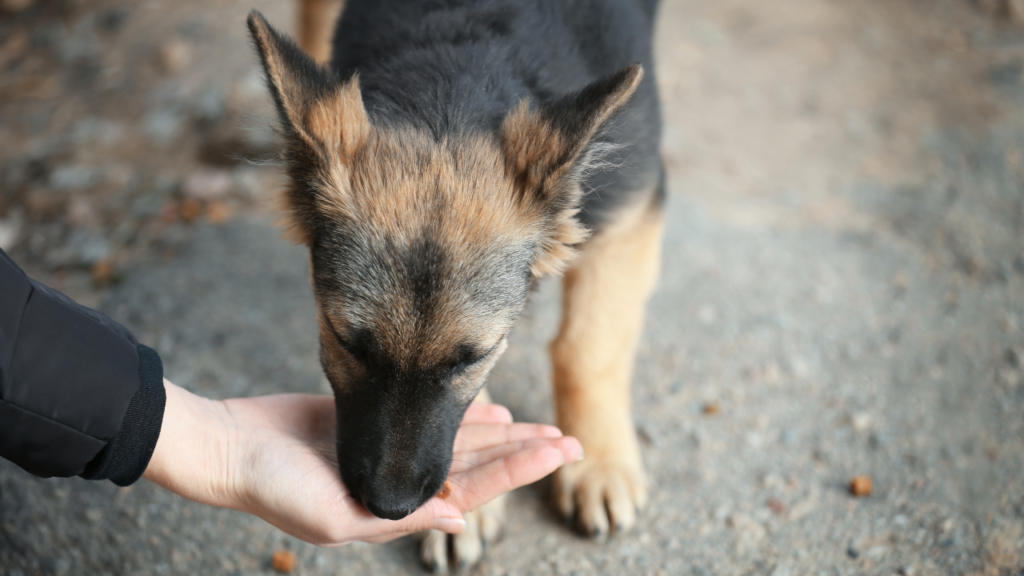
Often, a dog won’t eat his food but will eat treats because they have learned to be picky. Spoiling your dog with treats and table scraps can lead to them snubbing their regular meals. Dogs are smart and can quickly figure out that holding out on their food gets them tastier rewards.
2. Environmental Changes
Changes in your dog’s environment, such as moving to a new house, new household members, or even a change in the weather, can affect their appetite. Stress and anxiety can lead to a dog not eating.
3. Health Problems
While your dog might be acting normal, underlying health issues can still be the culprit. Dental problems, gastrointestinal issues, or even parasites could be making your dog refuse to eat. It’s crucial to rule out medical problems with a vet visit if the issue persists.
What to Feed a Sick Dog That Won’t Eat
If you suspect your dog might be unwell, knowing what to feed a sick dog that won’t eat is vital. Here are some options:
- Boiled Chicken and Rice: This bland diet can help soothe an upset stomach.
- Pumpkin: High in fiber, pumpkin can aid in digestion.
- Bone Broth: Nutritious and hydrating, bone broth can entice a reluctant eater.
- Baby Food: Opt for meat-based baby food without onions or garlic, which can be harmful to dogs.

When to Seek Help
It’s essential to monitor your dog closely for any changes in behavior or health. A sudden refusal to eat for more than 24-48 hours can be a cause for concern. This period of time without food, especially if accompanied by other symptoms like vomiting, diarrhea, or lethargy, could indicate a more serious underlying issue.
Keeping a vigilant eye on your dog’s eating habits and overall behavior is crucial for their well-being. Prompt action can make a significant difference in addressing potential health problems and ensuring your dog receives the necessary care.

Tips to Encourage Your Dog to Eat
- Stick to a Feeding Schedule: Consistency can help regulate your dog’s appetite.
- Limit Treats: Reduce the number of treats and table scraps.
- Give a specified amount of time to eat: Letting dogs know where, when and how long they have food can give them the urgency to eat.
- Feed them in their Crate: Giving a dog their own space to eat can reduce anxiety and stress.

Conclusion
In conclusion, understanding why your dog won’t eat is a mix of patience, observation, and sometimes, professional help. Don’t let your dog’s picky eating habits drive you up the wall, you know how to tackle the issues head-on!
To see our training programs for even MORE help, just click here!