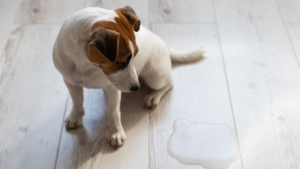
Let’s get one thing straight right off the bat: not all advice is good advice. Especially when it comes to potty training your dog. Some of the most common “wisdom” floating around is so outdated it might as well be engraved on a stone tablet. Yet here we are, in 2024, and people are still clinging to methods that were questionable at best decades ago.
If you’ve been wondering why potty training feels like an uphill battle, I’m going to wager that you’ve been following advice that’s setting you back rather than setting your dog up for success. Let’s break this down.
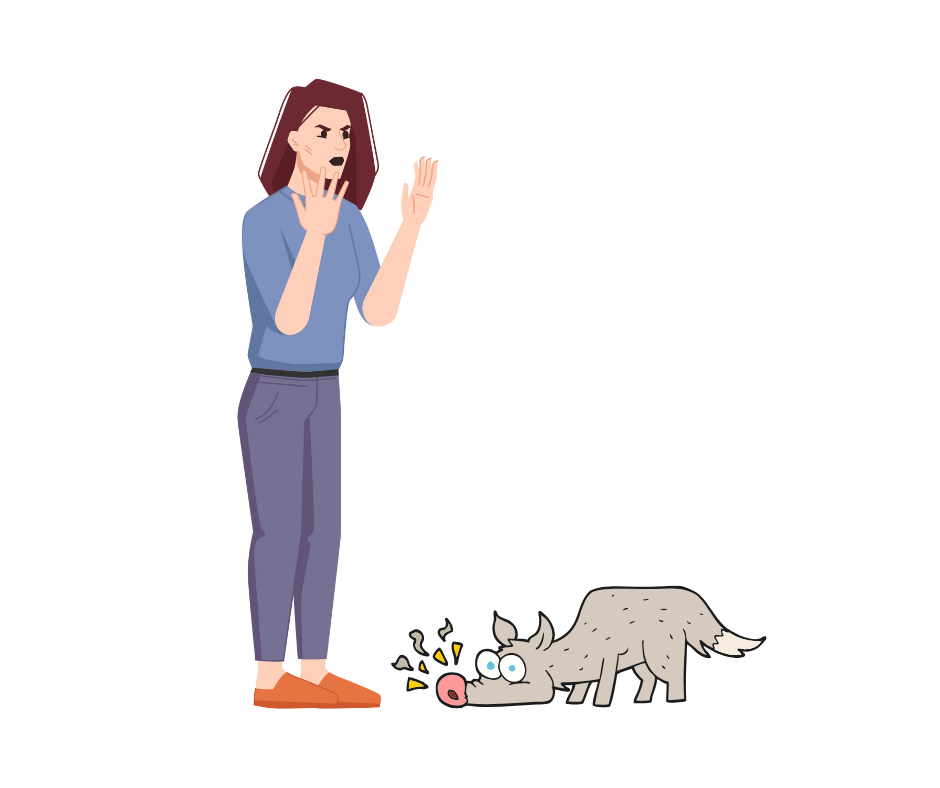
“Rub Their Nose In It”
Ah, yes. The timeless classic of shaming your dog into compliance. Except… dogs don’t process shame the way humans do. What your dog does learn from this delightful method is that you’re unpredictable and possibly unsafe. You’re not teaching them to potty outside; you’re teaching them to fear you. Great lesson, right?
Here’s the irony: your dog isn’t even connecting your punishment to the accident. They’re just confused and scared, which makes them more likely to sneak off and hide when they need to go. So congratulations, you’ve just made the problem worse.

“Let Them Figure It Out”
Raise your hand if someone told you to just put your dog outside and “let them figure it out.” Sure, because your puppy came pre-programmed with an understanding of where the bathroom is.
Dogs thrive on clear communication and consistent expectations. Without guidance, they’ll “figure out” something—but it probably won’t be what you want. They might decide your flower bed is their new bathroom. Or your carpet. Or that spot right in front of the door you barely open.
Potty training requires supervision, redirection, and positive reinforcement. Expecting your dog to decode this on their own is like expecting a toddler to teach themselves algebra. Unrealistic, unhelpful, and just plain lazy.

“They’ll Grow Out of It”
No, they won’t.
This is one of the most dangerous pieces of advice because it encourages passivity. If you ignore bad behavior long enough, it doesn’t magically disappear—it becomes a habit. And habits are a lot harder to break than they are to prevent.
Dogs need structure and training to understand what’s expected of them. If you’re banking on time fixing the issue for you, you’re in for a rude awakening when your “problem” puppy becomes a “problem” adult dog.
What Actually Works
Now that we’ve aired the dirty laundry, let’s talk about what actually works.
- Supervision: If your dog is free-roaming and unsupervised, accidents will happen. Use a leash indoors or keep them in the same room as you. Don’t give them the run of the house until they’ve earned it.
- Frequent Potty Breaks: Puppies have tiny bladders. Take them out frequently—like every 30 minutes for young pups. And always after meals, naps, and playtime.
- Crate Training: Dogs are naturally inclined to keep their sleeping area clean. Use this to your advantage by crate training—but make sure the crate isn’t too big, or they’ll find a corner to soil.
- Positive Reinforcement: Praise and reward your dog immediately after they potty outside. Don’t wait until you’re back inside; the timing is critical.
- Consistency: Be predictable. Same schedule, same routine, same commands. Dogs thrive on patterns.


The Bigger Picture
Here’s the part where we get real. If you’re frustrated with your dog, take a step back and reflect. Is the problem really them… or is it the advice you’ve been following? Dogs aren’t born knowing our rules; it’s our job to teach them. And when we rely on outdated, ineffective methods, we’re not just setting them up for failure—we’re sabotaging our own success.
Potty training doesn’t have to be a nightmare. With the right approach, it can be straightforward and even—dare I say it?—enjoyable. So ditch the outdated advice, embrace modern methods, and give your dog the clear, consistent guidance they deserve. You’ll both be better off for it.
Email us if you want some personal advice or if you would like to come meet our trainers for free!