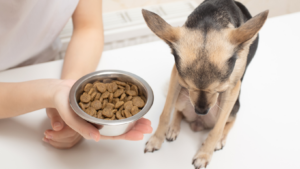
Imagine this: Your dog, usually eager for mealtime, suddenly turns away from their bowl. They sniff at their food, maybe lick at it once, then walk away. Your first instinct might be frustration or worry—are they sick? Are they just being picky? But here’s the truth: Dogs don’t simply stop eating for no reason. Their refusal to eat is a direct reflection of their emotional state.
This behavior is often misunderstood. Many owners assume their dog is just being stubborn or trying to manipulate them into offering something tastier. But dogs don’t possess the same cognitive complexity as humans when it comes to food choices. They aren’t playing a game—they are responding to something much deeper. When a dog turns away from their meal, it is often their nervous system signaling distress.
Stress can come from many sources: an unfamiliar environment, loud noises, a change in routine, or even the presence of an unfamiliar person or pet. Some dogs are highly sensitive to their owner’s emotions—if you’re feeling anxious, they might mirror that energy and lose interest in eating altogether. This response isn’t about stubbornness; it’s a survival mechanism deeply embedded in their biology.
For some dogs, stress-induced appetite suppression is temporary, lasting only a meal or two. But for others, it becomes a chronic issue, leading to weight loss, nutrient deficiencies, and increased anxiety around feeding time. Understanding the psychology behind this response is the first step to helping your dog regain confidence in their eating habits.
If you’re unsure about how often you should be feeding your dog, check out this guide: How Often Should You Feed Your Dog?
Stress and the Suppression of Appetite: The Deep Connection
Dogs, like humans, have an intricate relationship between their emotional world and their physical body. When stress levels rise, the body activates the sympathetic nervous system—also known as the “fight or flight” response. This isn’t just a psychological effect; it’s a deeply biological one. When a dog perceives stress, their body prioritizes survival over non-essential functions like digestion.
This means that their entire physiological focus shifts. Blood flow is redirected away from the digestive tract and sent to the muscles to prepare for action. The digestive process slows, and in many cases, the brain sends signals that suppress hunger altogether. Eating becomes an afterthought when the body is in a heightened state of alert.
Cortisol, the stress hormone, floods the system, further exacerbating this response. High cortisol levels are known to disrupt gut function, causing nausea, indigestion, or general gastrointestinal discomfort. Some dogs may even experience mild acid reflux or loose stools due to this prolonged stress response, making them further associate food with discomfort.
The emotional aspect of stress also plays a major role. If a dog has ever been in a stressful situation while eating—such as being startled by a loud noise, feeling pressure from other dogs during mealtime, or experiencing food insecurity in the past—their brain may begin to link food intake with a heightened state of vigilance. Over time, this can lead to avoidance behaviors where eating becomes secondary to their need for perceived safety.
This is why many dogs refuse meals during thunderstorms, after a move, or when experiencing significant changes in their environment. Their body is telling them to stay alert, not to settle into a vulnerable feeding posture. Without intervention, these stress-related behaviors can become habitual, turning temporary eating difficulties into long-term patterns.
Creating a Structured, Calming Feeding Routine
The key to helping a stressed dog eat isn’t to force food upon them—it’s to create an environment where their nervous system feels safe enough to return to a state of rest. Here’s how:
- Stability Over Stimulus
- Dogs thrive on routine. If your dog is experiencing stress, ensuring their mealtime is at the same time every day, in the same quiet space, can be powerful. Predictability lowers anxiety.
- Avoid frequently changing their food or feeding schedule. Dogs need consistency to build trust and feel secure around their meals.
- If recent changes have occurred in their environment, give them extra time to adjust before expecting them to eat normally again.
- The Power of a Quiet Eating Space
- Many dogs struggle to eat in environments filled with noise, commotion, or even the presence of other pets. A quiet corner, away from the chaos of household activity, signals to the brain that it is safe to eat.
- If necessary, use white noise machines or soft background music to drown out disruptive sounds like loud televisions, children playing, or construction noise.
- Some dogs benefit from eating in a separate room altogether, particularly if they are sensitive to the presence of other animals.
- Your Energy Matters
- Dogs are emotional sponges. If you approach mealtime anxiously, watching them intensely to see if they eat, they will feel that pressure. Instead, set the food down calmly and walk away. Create a neutral, pressure-free experience around eating.
- Avoid standing too close, calling their name repeatedly, or offering different foods in quick succession. This can reinforce anxiety rather than alleviate it.
- A relaxed and patient approach tells your dog that there is no urgency or danger, allowing them to eat at their own pace.
- Engaging the Parasympathetic Nervous System
- If a dog is stuck in “fight or flight,” they need help switching into “rest and digest.” This can be achieved through gentle petting, slow-paced activities before meals, or even calming aids like pheromone diffusers or soothing music.
- Structured walks, light obedience training, or scent work before meals can help lower arousal levels and prepare their nervous system for digestion.
- Avoid high-energy play right before feeding time, as heightened excitement can make it harder for a dog to shift into a relaxed state necessary for eating.
- Make Food Appealing, But Not a Bribe
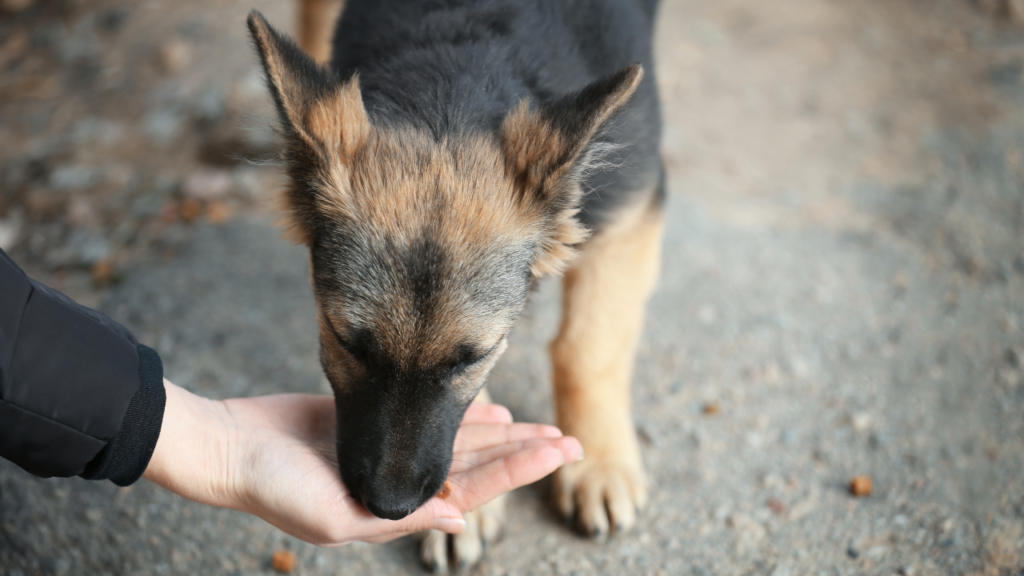
- While hand-feeding can sometimes help, it’s important not to turn mealtime into a begging or bribing scenario. Instead, slightly warming up food, adding low-sodium bone broth, or introducing lightly cooked food can help activate a dog’s natural appetite without reinforcing stress-based refusal.
- Serve meals at room temperature or slightly warm, as cold food can sometimes be less appealing to a stressed dog.
- Try incorporating novel textures or smells in small amounts to spark interest without overwhelming their senses.
If you’re struggling with your dog’s eating habits and need guidance, reach out to us for expert support: Contact Us
The Psychological Impact of Eating Routines on a Dog’s Confidence
What most people don’t realize is that a dog’s relationship with food is a direct reflection of their sense of safety and stability. A dog who hesitates to eat is often a dog who is hesitant in life—a dog unsure about their environment, their leadership, or their own confidence. A dog’s willingness to approach and consume food is deeply tied to their sense of emotional security. If a dog feels unsafe, their nervous system prioritizes survival over nourishment.
By building a structured, calm, and predictable feeding routine, you aren’t just helping your dog eat. You are reshaping their perception of the world—teaching them that stability exists, that they can trust their environment, and that they are cared for. This extends beyond meals; it builds their confidence in every aspect of life, making them more resilient and adaptable.
Does Your Dog Have a Food Quirk?
Every dog is unique. Some refuse food when their routine is off. Others take one kibble at a time into another room. Some guard their food, while others wait until everyone has left the kitchen. Some dogs only eat when their owner is in the room, while others prefer total solitude. What about your dog? Share their food quirks with us in our community: Join Our Facebook Group—because every behavior tells a story, and understanding that story is the first step to helping your dog feel truly secure.