
The comment my friend Sara received on her Instagram (above) — reveals something deeply flawed about how we, as humans, tend to understand and project onto dog behavior. This is not just an isolated misunderstanding, it’s part of a broader issue plaguing the field of dog training and limiting solutions for dog owners everywhere.
Let’s break it down.
(Instagram post provided by bakersacresk9academy.com)

Misunderstanding Dog Psychology
This comment suggests a fundamental misunderstanding of dog psychology. Dogs, unlike humans, don’t operate under a moral code of “fairness.” They are pack animals, driven by a desire for order, structure, and leadership. A dog doesn’t see correction as “unfair” — it sees it as guidance. And to assume the dog’s emotions mirror our own is not only misguided, but it does a disservice to the animal.
I remember a case with one of my clients, Rachel, who was struggling with her dog, Toby. Toby was a rambunctious German Shepherd mix who had no sense of boundaries. Rachel had been reluctant to correct him consistently because she thought it would “hurt his feelings.” But Toby’s behavior spiraled out of control—he began jumping on guests, barking incessantly, and showing signs of aggression. Rachel was heartbroken, thinking Toby was just a “bad dog.” But Toby wasn’t bad. He was confused and anxious because Rachel had failed to give him the clear structure he needed.
It was only when Rachel began using corrections, not to punish Toby but to guide him, that things turned around. Toby wasn’t hurt by this; in fact, he thrived. He became calmer, more confident, and more connected to Rachel. This experience shows how dogs need guidance, not leniency, to feel safe and secure in their environment.
The Manipulation Game
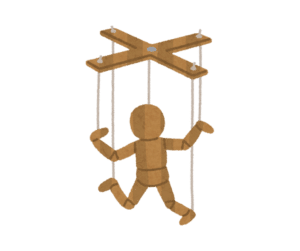
Now, here’s where things get tricky. Dogs are expert manipulators. Yes, you read that right. They read our emotions, our body language, and our energy more acutely than we often realize. A dog jumping, wandering, or being disobedient isn’t just acting out—it’s manipulating the environment to see what they can get away with. They’re testing boundaries.
I once worked with a couple who had a lovable but unruly Golden Retriever named Max. Max would bark and whine every time he wanted something—attention, food, even when they were watching TV. The couple found it “endearing” at first, but over time, Max’s demands became more constant and aggressive. They felt guilty ignoring him, so they gave in, feeding into his behavior.
What they didn’t realize was that Max was manipulating them, using their emotions against them. By giving in to his demands, they were reinforcing his bad behavior, making him the boss of the household. Once we introduced consistent corrections and boundaries, Max stopped the incessant barking. It wasn’t because he was “shut down” or “hurt”—it was because he finally understood the rules of the game. Dogs are constantly testing us, and if we don’t hold firm, they’ll exploit every emotional weakness we have.

Rude and Bad Behavior by Dogs – And Us
Let’s be blunt. We love our dogs, but bad behavior from a dog is just that—bad behavior. And it stems from a lack of boundaries. When we allow our dogs to run around, jump, or wander without clear expectations, we are enabling rudeness, and in some cases, dangerous behavior. We wouldn’t tolerate such behavior from other humans, so why do we make excuses for dogs?
I had a client named Lisa who had a Labrador named Buddy. Buddy was sweet but completely out of control. He would jump on visitors, steal food from the table, and even nip at kids. Lisa constantly apologized for his behavior but never took steps to correct it. “He’s just being Buddy,” she’d say. But here’s the thing: Buddy wasn’t being Buddy. He was being rude, and it was Lisa’s responsibility to teach him otherwise.
It took months of structured training, firm corrections, and breaking Lisa’s mindset of “he’s just a dog” before Buddy transformed into a well-mannered companion. Lisa learned that by allowing bad behavior, she was not being kind or understanding—she was allowing Buddy to fail, and that was unfair to both of them.

The Bigger Problem in Dog Training
Unfortunately, Sara’s comment represents a much larger issue in the world of dog training—a resistance to correction and boundaries. Far too many dog owners and trainers shy away from firm, consistent corrections, believing it’s somehow cruel. This mindset limits the solutions available to struggling dog owners. Instead of understanding that structure and discipline lead to a confident, happy dog, many opt for vague, permissive training methods that only perpetuate the problem.
Another case I remember was with a family who had a Pitbull named Duke. They had been to three different trainers, all of whom advocated for “positive-only” methods, and Duke’s behavior kept getting worse. By the time they came to me, they were at their wit’s end. Duke was reactive, pulling on the leash, and had even begun to show aggression towards other dogs. The family was devastated because they had tried everything the trainers suggested.
When I introduced corrections into Duke’s training, they were hesitant at first. “Isn’t that unfair to him?” they asked. But after just one session, Duke began to relax. He stopped pulling on the leash and started looking to his owners for direction. What they realized was that by avoiding corrections, they had been failing Duke. He wasn’t being “empowered” by their leniency; he was anxious and lost without structure.

The Solution: Be Clear, Be Firm, Be Fair
We owe it to our dogs to be clear, firm, and yes, fair—in their terms, not ours. That means immediate corrections when boundaries are crossed. It means understanding that a dog jumping up or wandering off isn’t “cute” or “harmless”—it’s testing the structure we’ve built.
Dog training is about more than just teaching commands. It’s about fostering a relationship based on trust, respect, and leadership. Without clear boundaries, we do our dogs no favors. It’s time to stop projecting our emotions onto dogs and start giving them what they truly need: leadership.
So, the next time someone criticizes a quick correction, ask them this: Are you helping the dog, or just making yourself feel better?
The answer is obvious, and if we care about the well-being of our dogs, we need to start acting like it.