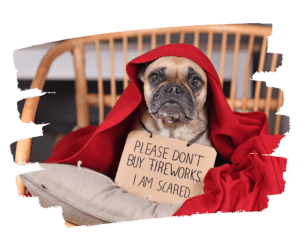
Fireworks are a beloved part of celebrations, lighting up the sky with dazzling colors and resounding booms. They captivate us with their beauty and the sense of festivity they bring. However, for our canine companions, these displays can be a source of immense fear and anxiety.
The sudden, loud noises and bright flashes can be overwhelming, leaving dogs frightened and stressed. At Be the Boss Dog Training, we understand the complexities of canine behavior and want to shed light on why dogs are afraid of fireworks.
Many dog owners wonder, “Why is my dog scared of fireworks?”
The answer lies in their heightened senses and instincts. Dogs are naturally inclined to flee from danger. When they hear the loud bangs of fireworks, their instinct is to run and hide.
This reaction is rooted in their survival mechanisms. In the wild, such loud noises could signal danger, such as a thunderstorm or predator. The instinct to escape from potential threats is deeply ingrained in their behavior, ensuring their safety in the face of the unknown.
What might seem like a manageable noise to us is amplified to an alarming degree for them. The sheer volume and abruptness of the fireworks can cause a heightened state of anxiety. Each explosion feels like a threat that they cannot escape, triggering their natural survival instincts.
The Impact of Fireworks on Dogs
Fear of fireworks can severely impact dogs, leading to destructive behaviors like chewing furniture, digging, or trying to escape. These frantic attempts can result in injuries such as cuts, bruises, or broken bones, indicating significant distress.
Fireworks-induced stress can have long-term effects on a dog’s health, causing chronic anxiety, digestive issues, weakened immune systems, and behavioral changes. Dogs may experience poor appetite, malnutrition, weight loss, diarrhea, or vomiting due to anxiety. A weakened immune system makes them more prone to infections.
Emotionally, dogs may become less sociable, more fearful of loud noises, and develop generalized anxiety. This can strain the bond with their owners, making the dogs less trusting and more reactive.
Helping Your Dog During Fireworks
At Be the Boss Dog Training, we believe that it’s important to take proactive steps to ensure your dog’s safety and comfort during these stressful events. Here are some comprehensive strategies to help your dog during fireworks:
Create a Safe Space
Designate a quiet, comfortable area in your home where your dog can retreat during fireworks. This space should be away from windows and external noise. Consider setting up a cozy corner with their bed, favorite blankets, and toys.
You might also want to play some calming music or white noise to help mask the sound of the fireworks. Ensuring this space feels secure and familiar can provide a significant amount of comfort to your dog.
Stay Calm
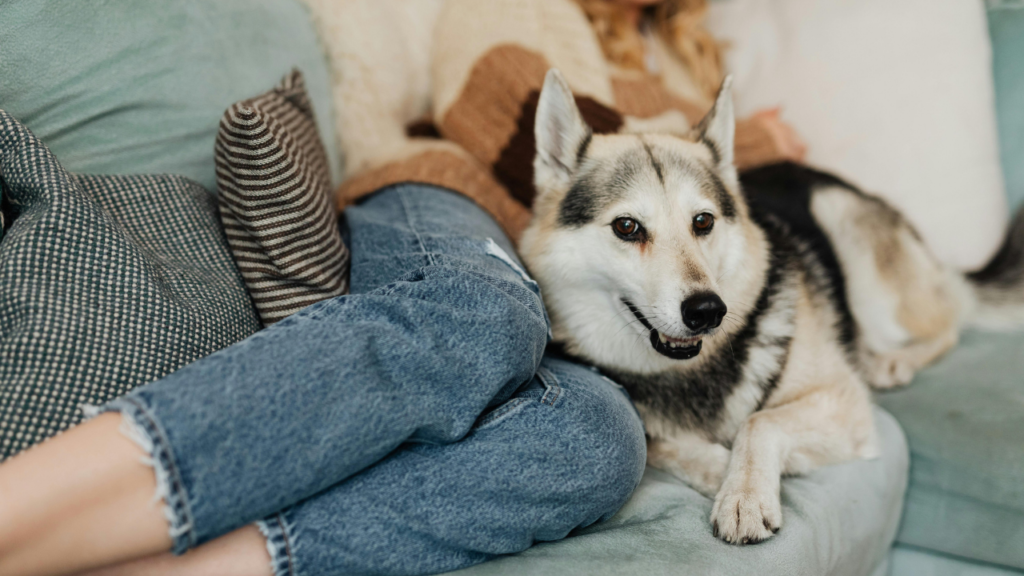
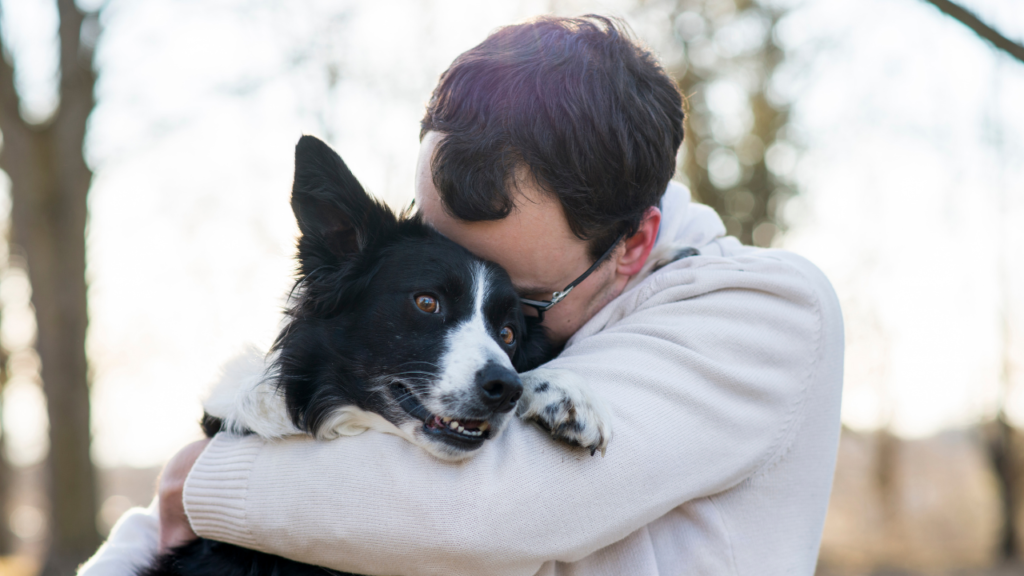
Your dog can pick up on your emotions, and if you are anxious or stressed, they will likely feel the same way. By remaining calm and composed, you can help reassure your dog that there is no real danger.
Speak to your dog in a soothing voice, offer gentle petting, and maintain a relaxed demeanor. Your calm presence can be incredibly reassuring to a frightened dog.
Use Calming Aids
Consider using calming products to help reduce your dog’s anxiety. Pheromone diffusers release a synthetic version of the calming pheromones that mother dogs produce to soothe their puppies. Anxiety wraps, like the ThunderShirt, apply gentle, constant pressure to help calm an anxious dog.
Additionally, natural supplements, such as those containing L-theanine, chamomile, or CBD, can be effective in reducing stress. Always consult with your veterinarian before starting any new supplement regimen.
Distraction Techniques
Engage your dog in activities they enjoy to help keep their mind occupied and away from the noise of the fireworks. Playing with their favorite toys, engaging them in a game of fetch, or providing them with a puzzle feeder can be effective distractions.
These activities not only divert their attention but also help to tire them out, making them more relaxed and less likely to focus on the frightening sounds outside.
Professional Training
Enroll your dog in a professional training program to help them build resilience to loud noises. At Be the Boss Dog Training, our expert trainers can provide tailored strategies to help your dog overcome their fear of fireworks.
This might include desensitization techniques, where your dog is gradually exposed to the sound of fireworks at a low volume and then slowly increasing the volume over time while associating it with positive experiences.
Counter-conditioning can also be used, which involves changing your dog’s emotional response to the sound of fireworks from fear to a positive feeling.
Additional Tips for Managing Fireworks Fear
- Pre-Firework Preparation: Before fireworks start, take your dog for a long walk to tire them out. A tired dog is more likely to be calm and less reactive.
- Close Windows and Curtains: This can help to muffle the sound of fireworks and reduce the visual stimuli that might scare your dog.
- Stay Indoors: Keep your dog inside during fireworks displays to prevent them from running away in fear. Make sure all doors and windows are securely closed.
- Use of Crates: If your dog is crate-trained, their crate can serve as a safe and comforting space. Covering the crate with a blanket can provide additional soundproofing and a den-like feel.
- Behavioral Therapies: In some cases, dogs might benefit from behavioral therapies prescribed by a vet, especially if their fear of fireworks is severe and persistent.
Conclusion
Fireworks and dogs may never be the perfect match, but with understanding and proactive measures, we can help our furry friends feel safer and more secure during these challenging times.
At Be the Boss Dog Training, we offer professional training programs that focus on desensitization and counter-conditioning techniques. These methods gradually expose your dog to the sounds of fireworks in a controlled and positive manner, helping to reduce their fear over time. Our expert trainers work closely with you to develop a personalized plan that suits your dog’s specific needs.
Let’s work together to make fireworks less frightening for our beloved pets!