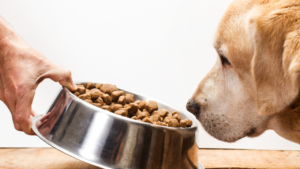
Let’s be real—if your dog refuses to eat unless you’re watching like a proud parent at a school play, it’s not about love. It’s about leverage. Yep, your sweet pup has figured out how to train you. And if you’re the kind of dog owner who likes the idea of having a “loyal shadow” more than doing the actual training work… this one’s for you.
We’re diving into why some dogs won’t eat without their humans hovering nearby, and more importantly, how that behavior has less to do with bonding and more to do with control. Before you say, “But my dog just loves me!”—hang tight. This is about setting boundaries, building confidence, and avoiding subtle behavior issues that start with dinner but don’t stop there.
Get ready. You might be more trained than you think.
Your Dog Isn’t Being Loyal—They’re Just Managing You
Oof—this one stings a little, doesn’t it? We all love the idea that our dogs follow us around because they’re deeply loyal, emotionally devoted, and couldn’t dream of life without us. But here’s the truth bomb: a lot of that behavior is learned strategy, not love.
Your dog isn’t your fluffy little soulmate—they’re a highly observant, opportunistic animal who’s learned exactly what works to get what they want. And if you’ve been giving in to the whining, the sad eyes, or the “I won’t eat unless you’re here” routine? Congratulations… your dog is managing you like a pro.
This isn’t about being a bad dog owner. It’s about realizing that dogs don’t just obey—they negotiate. They test boundaries, push limits, and adjust their behavior based on what you allow. If jumping gets them attention, they’ll keep jumping. If pulling gets them to the park faster, they’ll pull. And if refusing to eat makes you hand-feed them like royalty? Well, you just became their butler.
So where does loyalty fit in? True loyalty from a dog comes from trust, clarity, and leadership—not from constant handouts or emotional coddling. When you set clear rules, follow through, and make your dog earn privileges (like freedom, food, or affection), they begin to look to you for direction rather than constantly managing the situation themselves.
That’s why in our training programs at Be The Boss Dog Training, we focus on structure first, love second. We want dogs to feel secure because their humans are in charge—not confused by mixed signals or bribed into cooperation.
If your dog only listens sometimes, only comes when it’s convenient, or only eats when you’re there… that’s not loyalty. That’s a little behavioral contract they wrote—and you signed without reading the fine print.
Let’s rip that up and start fresh. Loyalty is earned on both ends. Be the leader your dog actually wants to follow—not the one they’ve learned how to manage.
Why Your Dog Listens to the Trainer but Not You
Let’s cut to the chase: your dog can listen. They’re not stubborn, broken, or too “free-spirited” to follow direction. The reason they listen to the trainer—but not you—isn’t because the trainer has a magic touch. It’s because your trainer walks in with clarity, confidence, and control… while you may be coming in with bribes, begging, or buddy vibes.
This isn’t to knock you—it’s incredibly common! Dog owners often think their dog’s behavior is the dog’s fault, but in reality? It’s all about the relationship dynamic. Trainers step in as leaders. Most owners—especially the well-meaning, “I just want to love them” types—step in as roommates… or worse, personal assistants.
Here’s the difference:
- A trainer gives direction and expects follow-through.
- A typical owner makes requests and hopes for cooperation.
Dogs are brilliant at reading energy and patterns. If they sense hesitation, inconsistency, or that they can push your buttons to get what they want, they’ll lean into that. Trainers don’t take it personally. They don’t beg. They don’t bribe. They lead—and dogs love that. It feels stable, safe, and clear.
Now, let’s talk about the bribery trap. If you constantly have to wave a treat for your dog to listen, guess what? That’s not training—that’s negotiating. And your dog is learning they’re in charge of the terms.
At Be The Boss Dog Training, we teach owners how to transition from “treat dispenser” to true leader. It’s not about being mean or dominating—it’s about being fair, firm, and consistent. When you show up with structure, dogs relax. When you waffle, they take over.
So the next time you say, “He only does it for the trainer,” don’t feel embarrassed. Take it as a sign that your dog is totally capable—you just need to shift how you show up.
Want your dog to listen like they do in the sessions? Drop the roommate energy, stop the constant bribing, and start acting like the leader your dog is waiting for you to become.
Trust me—they’ll thank you for it with every obedient sit, stay, and calm walk by your side.
At Be The Boss Dog Training, we teach owners how to transition from “treat dispenser” to true leader. It’s not about being mean or dominating—it’s about being fair, firm, and consistent. When you show up with structure, dogs relax. When you waffle, they take over.
👉 Ready to become the leader your dog actually listens to? Let’s talk—click here to contact us!
If Your Dog Won’t Eat Without You, You’ve Created a Little Diva
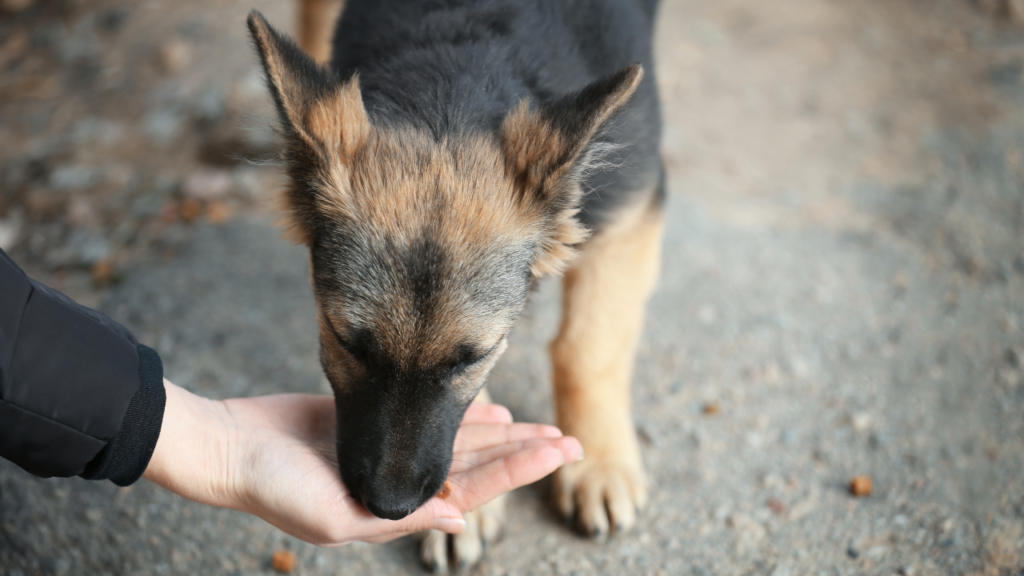
It starts off cute. Your dog looks up at you with those big eyes, waiting by the bowl. You think, “Aww, they just want me nearby while they eat. How sweet!” Fast forward a few weeks… now they’re skipping meals, holding out until you’re seated next to them like their personal emotional support human. Sound familiar?
Hate to break it to you, but you’ve got a little diva on your hands.
This isn’t about love—this is about learned behavior. Dogs are master observers. If they refuse to eat, and you respond by sitting close, talking sweetly, hand-feeding, or tossing in extras, congratulations: you’ve taught them that you’re part of the mealtime experience. Not only that, but they’ve learned to manipulate the situation to get more attention, more goodies, and more control.
Now, let’s be clear—your dog isn’t trying to be difficult. Most of the time, this behavior starts from a mix of clinginess, mild separation anxiety, or simply getting reinforced for picky eating. But when it becomes a pattern, it can signal a lack of confidence and over-dependence on you.
And let’s be honest—some owners like it. It makes them feel special. “My dog won’t eat unless I’m there!” sounds like loyalty… but it’s really just another way your dog is calling the shots. That’s not a healthy dynamic—it’s a red flag.
At Be The Boss Dog Training, we teach dog owners how to help their dogs build independence, confidence, and calmness—especially during everyday routines like eating. When dogs learn that food is on their terms, not yours, it removes stress, eliminates power struggles, and improves behavior in other areas too.
So what can you do?
- Set a mealtime routine (no waiting around).
- If they don’t eat within 10–15 minutes, take the bowl away.
- No begging, no sitting and watching—just quiet, confident leadership.
- Praise after they finish—not during the performance.
Your dog doesn’t need an audience to eat. They need structure. Drop the diva drama, and help them learn that independence is a good thing.
Spoiler alert: they’ll still love you after dinner.
Are You Training Your Dog… or Is Your Dog Training You?
Let’s pause and ask the ultimate mic-drop question:
Are you training your dog… or is your dog training YOU?
If you’re constantly adjusting your life to avoid triggering your dog—changing your walking routes, tiptoeing past the treat jar, or timing your bathroom breaks so your pup doesn’t whine—you might not be the one in charge.
The reality is, dogs are training us all the time. They don’t do it with charts or clickers—they do it through patterns and consequences. If barking gets them attention, they’ll keep barking. If leash pulling gets them where they want faster, they’ll keep pulling. If sitting at the dinner table with puppy eyes gets them a scrap of food, they’ve just trained you to feed on command.
And here’s the kicker—most dog owners have no idea it’s happening.
We think, “My dog is stubborn,” or “He’s just picky,” or “She gets anxious if I leave.” But what’s really happening is your dog is running the show—and you’re playing right into it. You’re reacting instead of leading, and that’s when behavior starts spiraling out of control.
At Be The Boss Dog Training, we help owners flip the script. We teach you to recognize the patterns, reclaim your role as the decision-maker, and stop being manipulated by cute but controlling behaviors.
Ask yourself:
- Does your dog drag you on walks?
- Do they demand treats or attention on their terms?
- Do they ignore commands unless a reward is visible?
- Are you constantly adjusting your behavior to avoid “setting them off”?
If you said yes to any of those… your dog might be doing more training than you are.
But here’s the good news—dogs don’t want to be in charge. They thrive with structure, boundaries, and clear expectations. When you step into a leadership role, your dog relaxes. The leash pulling stops. The constant whining disappears. The begging fades. Why? Because you’ve taken the guesswork out of their day—and they love that.
So stop playing defense. Take the lead. Train with intention, not emotion.
Because if you’re not training your dog, you better believe they’re training you.
So stop playing defense. Take the lead. Train with intention, not emotion.
💡 Want real-time support, advice, and a community of dog owners on the same journey? Join our free Facebook group: Dogs Unleashed – Utah County. It’s packed with tips, success stories, and local help when you need it.
Conclusion
At the end of the day, most behavior problems don’t start with a “bad dog”—they start with unclear leadership. Whether your pup won’t eat without you, only listens to the trainer, pulls on the leash, or gives you those big diva eyes at dinner… it’s not about love. It’s about leverage.
But here’s the great news: your dog is always ready to follow—you just have to step up and lead. The moment you stop negotiating, bribing, or being managed by your dog’s habits, everything starts to change. You’ll see calmer walks, faster obedience, and a dog that actually wants to listen.
At Be The Boss Dog Training, we don’t just train dogs—we train owners to become confident, capable leaders their dogs respect and trust.
So ask yourself one more time:
Are you the boss… or just the butler?
Let’s flip the script. Your dog will thank you for it.