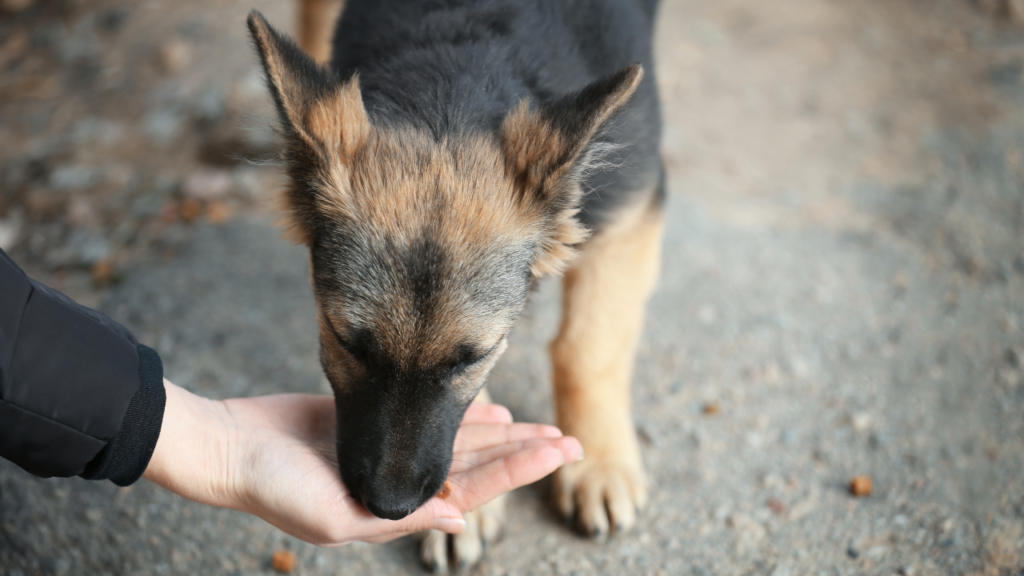

Force-free training has become a popular method in the dog training world, and for good reasons. It’s humane, ethical, and fosters a positive relationship between dogs and their owners.
However, despite its many benefits, force-free training often falls short when addressing major behavioral issues. Today, we’ll delve into why this is the case and why it’s crucial to adopt a balanced approach.

Force-free training focuses on rewarding dogs for desirable behavior
This method uses treats, praise, and play to encourage good actions, creating a positive learning environment for dogs. One of the primary advantages of force-free training is its safety.
By avoiding physical punishment, this method prevents stress, fear, and potential aggression that can result from harsher training techniques. It’s an ethical approach that promotes the well-being of our canine companions.
Additionally, force-free training helps build a strong bond of trust between the dog and the trainer. Dogs trained with positive reinforcement are more likely to enjoy the training process and respond enthusiastically to commands.
This method is particularly effective for teaching basic commands and simple behaviors. Dogs quickly learn to sit, stay, or come when rewarded consistently with treats and praise.

Force-free training is often not enough to resolve significant behavioral problems
Severe aggression, deep-seated fear, and even every day issues typically stem from complex underlying causes. These problems require more than just positive reinforcement; they need a comprehensive strategy that addresses the root causes.
For example, consider a dog with severe aggression towards other dogs. This behavior might originate from fear, past trauma, or lack of socialization. Simply rewarding the dog for calm behavior around other dogs may not be enough to address the deep-rooted fear or anxiety driving the aggression.
Force-free training demands high consistency and patience. Many dog owners struggle to maintain this level of dedication, leading to inconsistent results. Without unwavering commitment, the desired behaviors may not be reliably established.
Take a dog that barks excessively. If the owner only occasionally rewards the dog for quiet behavior but often responds inconsistently, the dog may not learn to reliably stop barking. The lack of consistent reinforcement can confuse the dog and prolong the unwanted behavior.
For severe behavioral issues, relying solely on force-free methods is like trying to fix a broken car with just a shiny new coat of paint. It looks good on the surface but doesn’t address the root problem.
Professional intervention, which may include a mix of techniques, is often necessary. Dogs with severe separation anxiety might need a combination of force-free training, behavior modification, and even medical intervention.
A professional can develop a comprehensive plan that addresses the anxiety through gradual desensitization, environmental changes, and sometimes, medication.

We must recognize the limitations of force-free training
Combining positive reinforcement with other methods tailored to your dog’s specific needs can be more effective. This might include behavior modification techniques, environmental adjustments, and sometimes, controlled corrections.
For a dog with resource guarding issues, a holistic approach might involve teaching the dog to trade items for high-value treats, managing the environment to prevent guarding situations, and gradually desensitizing the dog to the presence of people or other pets near their valued items.
If you’re facing severe behavioral challenges with your dog, it’s crucial to seek professional help. Experienced trainers and behaviorists can provide a structured plan that addresses both the symptoms and the root causes of these issues.
A dog with extreme fear of thunderstorms may benefit from a professional trainer who can create a desensitization and counter-conditioning plan. This might involve gradually exposing the dog to recorded thunder sounds while providing positive reinforcement, alongside environmental modifications to create a safe space during storms.
Stay informed and continuously educate yourself about dog behavior and training methods. The more you know, the better equipped you’ll be to handle any challenges that come your way. Attend workshops, read books by reputable trainers and behaviorists, and engage in online courses. Staying updated with the latest research and techniques will enhance your ability to address your dog’s needs effectively.

While force-free training is safe and ethical, it often doesn’t solve major behavioral issues.
It’s urgent that we understand its limitations and adopt a more comprehensive approach to truly help our dogs. Don’t hesitate to seek professional help and always stay committed to learning and improving your training methods.
By acknowledging the strengths and limitations of every method, we can ensure we provide the best care and training for our dogs. Adopting a balanced and informed approach will help us address both surface behaviors and underlying issues, leading to happier, healthier relationships with our canine companions.
For those searching for “dog training near me” or “dog training Utah,” make sure to seek out professionals who can offer a balanced approach tailored to your dog’s needs.
Thank you for reading. If you have any questions or comments, feel free to leave them below. Let’s continue to work together to make a real difference in the lives of our furry friends!