
If your dog is constantly anxious, it’s not just “one of those things” you have to live with. The reality is that many dog owners unknowingly contribute to their dog’s anxiety through common but critical mistakes. These errors, when left unchecked, create a cycle of anxiety that becomes increasingly difficult to break. But here’s the good news: once you understand these grave errors, you can take immediate action to free your dog from the anxiety trap.
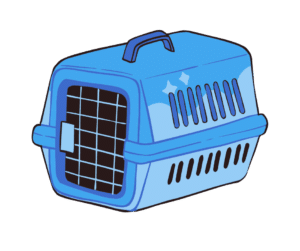
Thinking Your Dog Only Needs a Crate as a Puppy
Many people assume that crates are only for puppies, a tool to prevent accidents and keep them safe when you’re not around. As your dog grows, the crate often gets stored away, considered unnecessary. But this thinking is flawed.
Crates offer a secure space for your dog, reducing anxiety by providing them with a den-like environment where they can feel safe. If your dog struggles with anxiety, a crate isn’t just for housebreaking; it’s a lifelong tool that can help your dog feel secure in stressful situations. Keep the crate as a sanctuary, not a prison.

Mislabeling Anxious Behaviors as ‘Sweet’
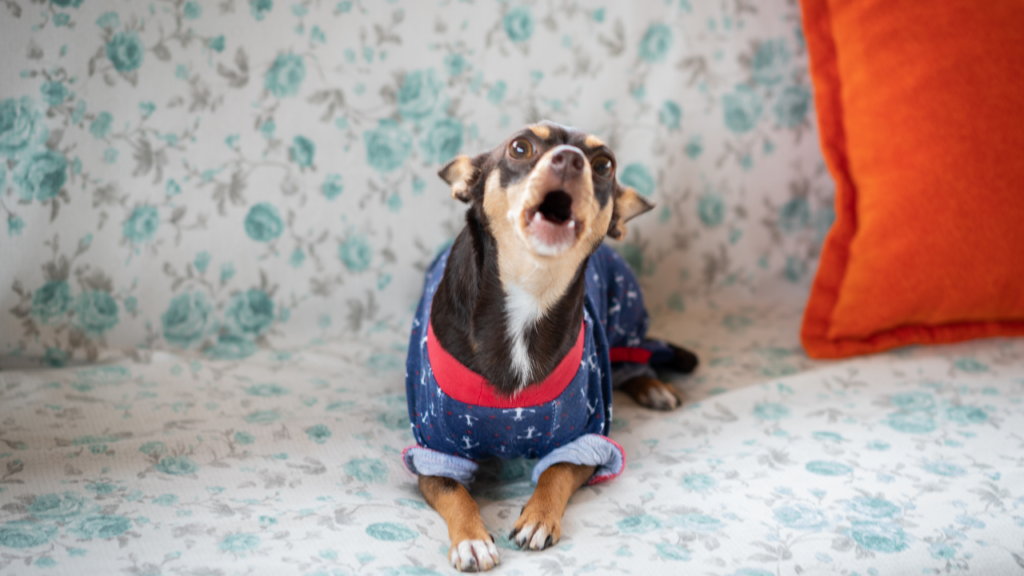
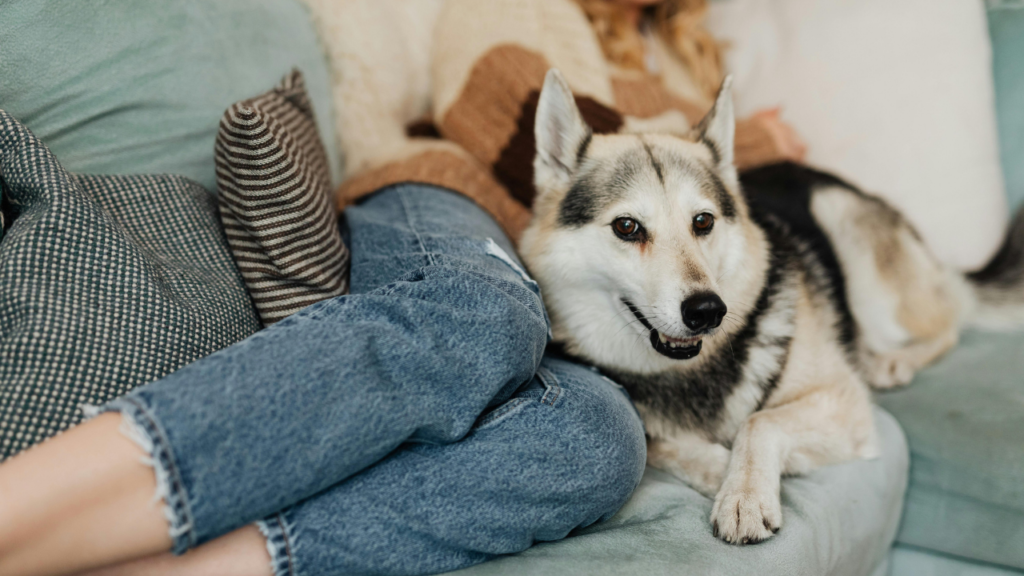
It’s easy to misinterpret an anxious dog’s behavior as affectionate or endearing. When your dog follows you around the house, whines for attention, or constantly seeks comfort, you might think it’s sweet. But the truth is, these behaviors are often signs of anxiety.
You can’t fix what you don’t define correctly. If you continue to mislabel these anxious behaviors, you’ll never address the root of the problem. Recognizing these actions as symptoms of anxiety is the first step toward helping your dog. You must change the narrative in your head from “Isn’t that cute?” to “How can I help my dog feel more secure?”
Thinking Anxious Dogs Only Need ‘Love’
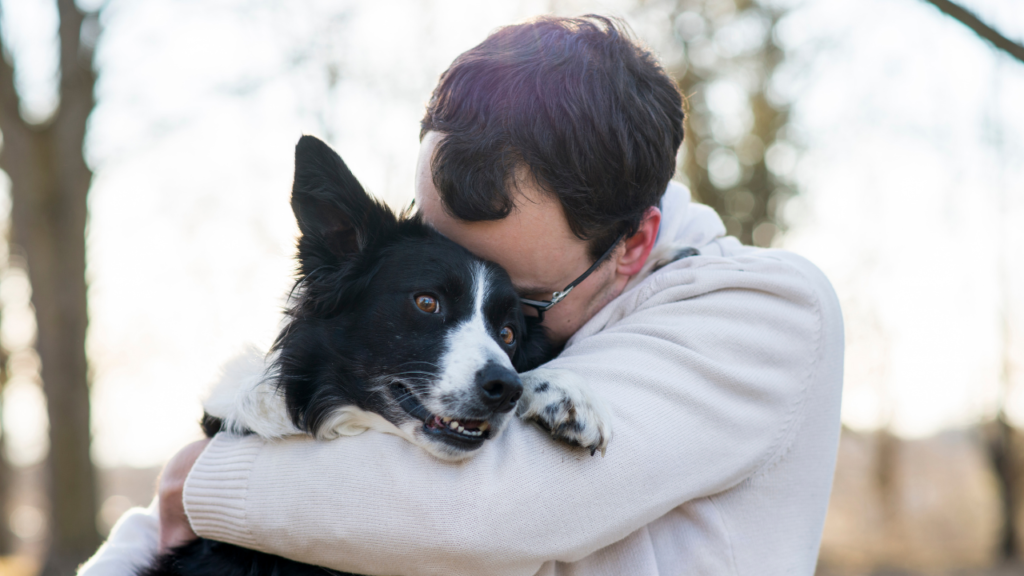
The instinct to shower a nervous dog with affection is powerful. You think that by giving them more love, they’ll feel better. But this approach can backfire, reinforcing their anxious behavior.
An anxious dog needs structure and leadership, not just love. Over-coddling a nervous dog can reinforce their fears, making them more dependent and insecure. Instead of responding with more affection, provide clear, calm guidance that helps your dog build confidence. Love is important, but in the right context, it’s structure and confidence-building that will ease anxiety.
Thinking How You Feed Your Dog Has Nothing to Do with Their Anxiety
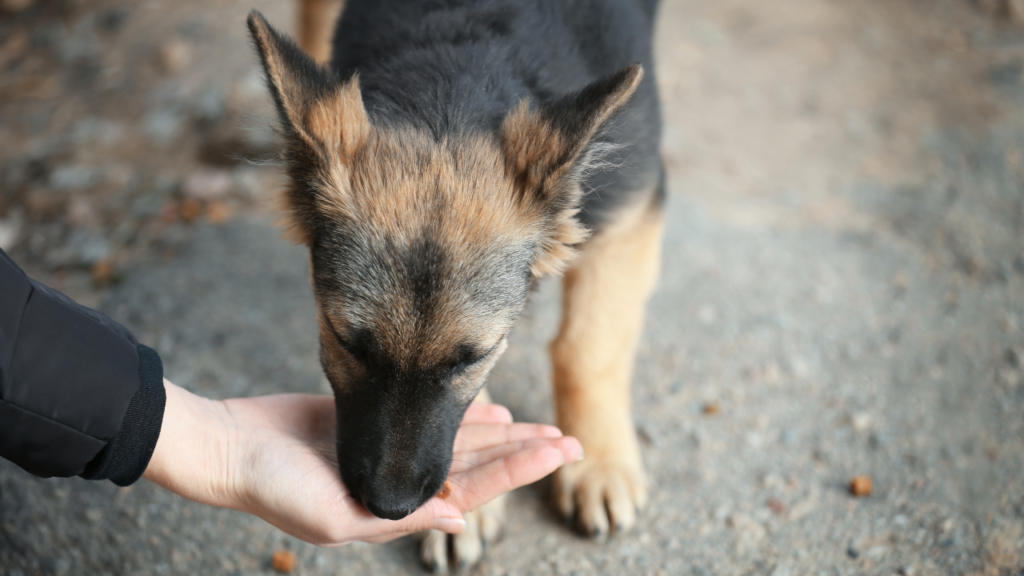
Many dog owners mistakenly believe that feeding their dog is a simple task—just put food in a bowl and be done with it. They think food is merely fuel, something that keeps the dog going and little else. But this kind of thinking is a recipe for disaster, especially if your dog struggles with anxiety.
What most people don’t understand is that how you structure your dog’s feeding routine can have a profound impact on their mental well-being. The lack of structure, poor timing, or erratic feeding habits can exacerbate anxiety, turning what should be a comforting daily routine into a source of stress.
This structure isn’t just about filling their stomach; it’s about creating a reliable routine that helps your dog feel safe and secure. When your dog knows what to expect and when to expect it, their anxiety levels drop, allowing them to be more relaxed and confident.
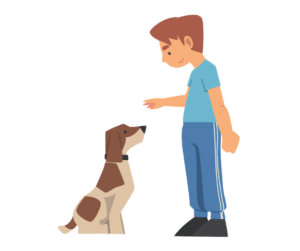
Thinking That Obedience Commands Mean Your Dog is Trained
You might believe that if your dog sits, stays, and comes on command, they’re well-trained and therefore not anxious. But obedience isn’t the same as emotional stability.
Training commands are important, but they don’t necessarily address underlying anxiety. A dog that obeys commands may still be internally anxious. True training goes beyond obedience—it involves creating a calm, confident, and well-adjusted dog. Work on desensitizing your dog to triggers, building their confidence in different environments, and ensuring they can relax, not just follow orders.

Conclusion: Breaking Free from the Anxiety Trap
The anxiety trap is all too common, but it’s not inescapable. By recognizing and correcting these five grave errors, you can transform your anxious dog into a confident, secure companion. It’s not about loving your dog less; it’s about loving them in a way that truly helps them. Take action today, and watch as your dog’s anxiety begins to melt away, replaced by a calm and contented spirit.