
PUPPIES ARE NOT STUFFED ANIMALS

º

The last 9 months or so I have seen a lot of people getting puppies. This is due to the fact that a lot more people are working from home than usual. This is not in and of itself a bad thing.

However, I get a lot of calls and text messages asking why their puppy is peeing on the floor, why they are whining in the crate and why the puppy is having behavioral issues around the kids.

And my simple answer is…BECAUSE THEY ARE A PUPPY.

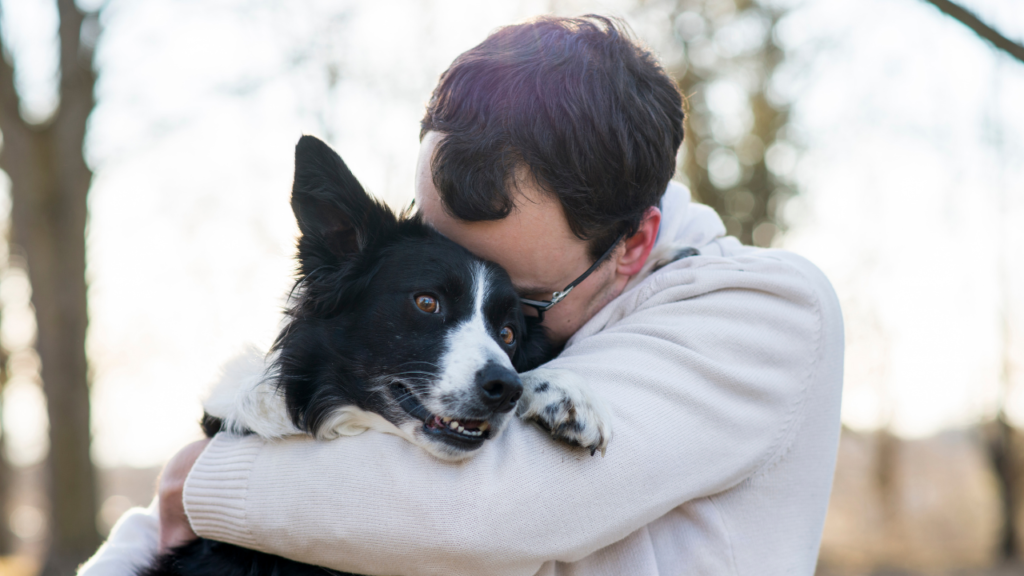
If you got a puppy so the kids would have something to play with, so they can cuddle something, so they can go on walks and show it off to their friends…then you should have gotten a stuffed animal. Trust me, this is MUCH less expensive, MUCH less time-consuming and DEFINITELY less poop.

Getting a puppy is about learning a mature concept. Giving another living being what THEY need to be happy, confident and obedient. Not necessarily what feels good all the time.

And getting the RIGHT fit for your family is so important that it can’t be overstated. Getting a Border Collie or Australian Shepherd if you have a chaotic household with lots of kids is probably not a good option. Getting a Husky or German Shepherd if you want a dog that you can cuddle all the time is probably not going to work out in the long run.

You are going to be married to this dog for the next 15 years. Before humans marry each other we take the time to get to know one another, to date and to see if we are compatible. I would not call up a dating service and say “send over someone with blue eyes for the next 15 years.” Who knows how that would turn out?

Do your research about the breed…TALK TO A DOG TRAINER. Most average households may not know the behaviors they are seeing are actually anxiety or other advanced issues. They may just assume the dog is being sweet.

Again we come back to the big question “WHY are you getting a puppy?” If it is just to see your happy kid’s faces on Christmas morning that may not be enough. Don’t get into a 15-year marriage for the sake of a honeymoon.

If you are a parent, be prepared that the bulk of responsibility for the dog will be on the adult person who spends the most time at home.

And do your research by asking a qualified professional dog trainer what you can expect from the breed you want. Internet searches are not always accurate and tend to sugar-coat behavioral issues.

Getting a puppy can be an amazing experience to have together as a family. To raise a good dog and have a companion for the full length of the dog’s life.

Before you start this journey, make sure it’s a puppy you want….and not a stuffed animal.
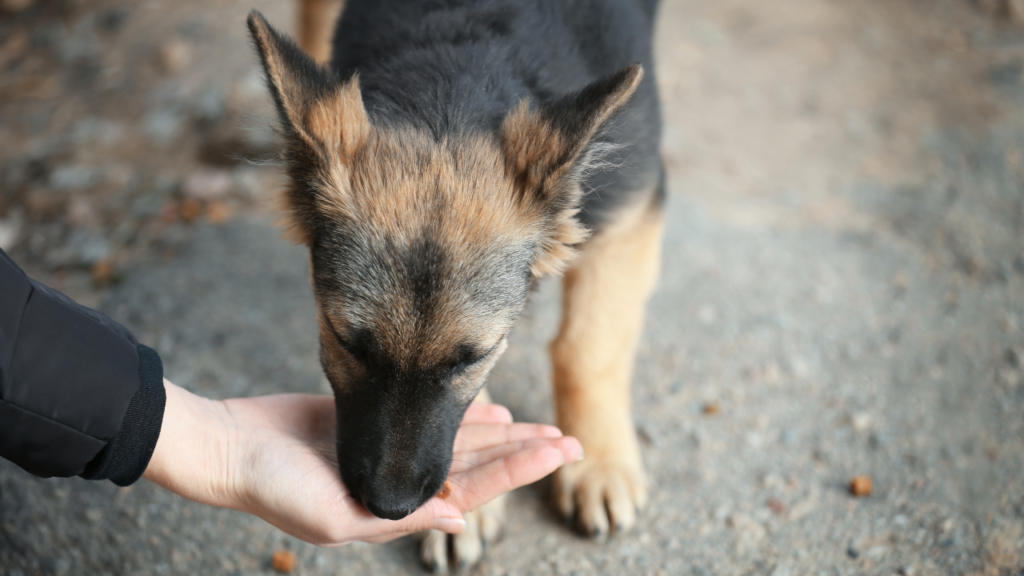
Image by: customstuffedpets.com

More Tips

Check out our other posts

Protective or Possessive? The Truth About Dogs That Guard Their Owners

Is your dog truly protecting you, or are they acting out of fear and possessiveness?

Many owners mistake controlling behaviors for loyalty, but allowing your dog to make decisions about who can approach you can lead to stress, anxiety, and even aggression. In this guide, you’ll learn how to recognize the difference between protective and possessive behavior, why teaching trust is the key to a calm and confident dog, and the training techniques that create lasting results.

Whether you’re searching for expert dog training in Utah County or Salt Lake City, Utah, these practical tips will help you build a safer, happier relationship with your dog.

Read More »

Mental Fatigue vs. Physical Fatigue in Dogs: The Key to Better Behavior

Have you ever taken your dog on a long walk only to come home and watch them race around the house with endless energy?

You’re not alone. Many dog owners focus on physical exercise to tire out their dogs, but mental stimulation is often the missing piece. In this article, you’ll learn the difference between mental and physical fatigue in dogs, why activities like training, sniffing, and problem-solving can be just as exhausting as a long walk, and how balancing both types of exercise can reduce unwanted behaviors like pulling on the leash, jumping, barking, and destructive chewing.

Whether you have a playful puppy or an energetic adult dog, these simple strategies will help you raise a calmer, happier, and more well-behaved companion.

Read More »

Is Your Dog Too Trained? Why Constant Commands Can Backfire

Most dog owners think more training leads to better behavior—but that’s not always true.

If your dog only listens when you’re giving commands, they may be relying on you instead of learning self-control.

Discover how overtraining can create dependence, why constant correction often backfires, and how teaching your dog to make good decisions leads to calmer, more reliable behavior at home and in the real world.

Read More »

The Surprising Reason Your Dog Mirrors Your Emotions

Ever wonder why your dog seems to get more excited, anxious, or reactive when you’re stressed?

Dogs are experts at reading human emotions, and your body language, tone of voice, and energy can directly influence their behavior.

Discover why calm humans create calm dogs and learn simple training habits that lead to less pulling, less barking, and a more confident, well-behaved companion.

Read More »