
Are you grappling with a barking dog that just won’t stop?
Or maybe your dog exhibits other forms of bad behavior that are driving you up the wall? If you’re nodding your head in frustration, you’re not alone. Many dog owners face these challenges daily, wondering if correcting their dog is the right approach.
In this blog, we dive deep into whether it’s okay to correct your dog, the various training methods for dogs, and how tools like the dog correction collar and positive reinforcement dog training fit into the picture.

Understanding the Need for Correction
First and foremost, let’s get one thing straight: correcting your dog is not about punishment, but about guidance and teaching. When your dog barks incessantly or engages in bad behavior, it’s a cry for direction. They need to understand what’s acceptable and what’s not. This is where effective correction comes into play.

Training Methods for Dogs: Finding What Works
There are numerous training methods for dogs, but not all are created equal. Some methods emphasize positive reinforcement, while others incorporate corrective measures. Here’s a breakdown:
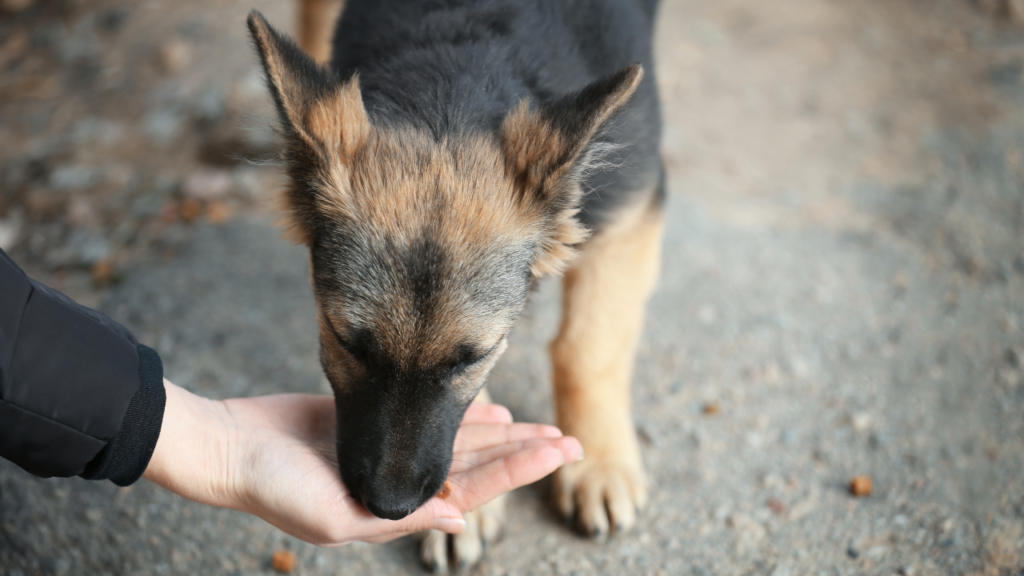
Positive Reinforcement Dog Training: This method rewards your dog for good behavior. Treats, praise, and toys are used to reinforce positive actions. While this approach is highly effective, it sometimes falls short with more stubborn dogs or severe behavioral issues.
Dog Correction Collar: Often misunderstood, dog correction collars can be a valuable tool when used correctly. They provide immediate feedback to your dog, helping them understand undesirable behaviors like barking or jumping. However, it’s crucial to use them judiciously and never as a form of punishment.
Combination Methods: A balanced approach that incorporates both positive reinforcement and corrective measures often yields the best results. This ensures that your dog understands the consequences of bad behavior while also feeling rewarded for good behavior.
WANT MORE ACCESS TO HELPFUL PDFS AND EVEN TALK TO A TRAINER? CLICK HERE TO JOIN OUR FB GROUP!

EXAMPLES: Barking Dogs and When to Use Correction
Dealing with a barking dog can be particularly challenging. While positive reinforcement dog training can help curb excessive barking, there are times when correction is necessary.
For instance, if your dog barks at every passerby, a correction collar might be used to provide a gentle reminder that this behavior is unacceptable. However, always follow up with positive reinforcement when your dog exhibits the desired quiet behavior.
Bad Behavior in Dogs: Addressing the Root Causes
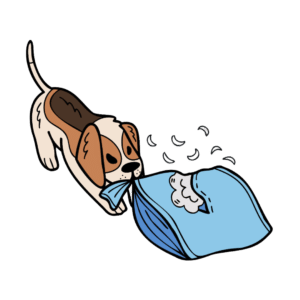
Correcting bad behavior in dogs isn’t just about stopping the unwanted actions; it’s also about understanding why they occur in the first place. Dogs often misbehave due to boredom, anxiety, or lack of training. By addressing these underlying issues, you can create a more effective training plan.
Boredom: Ensure your dog gets plenty of physical and mental stimulation. Regular exercise and interactive toys can work wonders.
Anxiety: If your dog’s bad behavior stems from anxiety, consider creating a calm and secure environment. Training methods for dogs that focus on desensitization and counter-conditioning can be highly effective.
Lack of Training: Consistency is key. Whether using positive reinforcement, a correction collar, or a combination of methods, ensure that your training is consistent and fair.

The Controversy Around Dog Correction Collars
Dog correction collars are often a hot topic among dog owners and trainers. Some argue they are inhumane, while others swear by their effectiveness. The truth lies somewhere in the middle.
When used correctly and as part of a comprehensive training plan, correction collars can help address specific issues like excessive barking or dangerous behaviors. However, they should never replace positive reinforcement or be used as a standalone solution.
DO YOU THINK AN ECOLLAR MIGHT BE RIGHT FOR YOUR DOG? CLICK HERE TO ASK US!

Conclusion: Striking the Right Balance
So, is it okay to correct your dog? Absolutely, but it must be done with care and understanding. Correction should guide your dog towards better behavior, not instill fear. By combining positive reinforcement dog training with appropriate corrective measures, you can effectively address bad behavior in dogs and foster a harmonious relationship with your furry friend.
Remember, training your dog is a journey, not a destination. Stay patient, stay consistent, and most importantly, stay informed. Your dog will thank you for it.