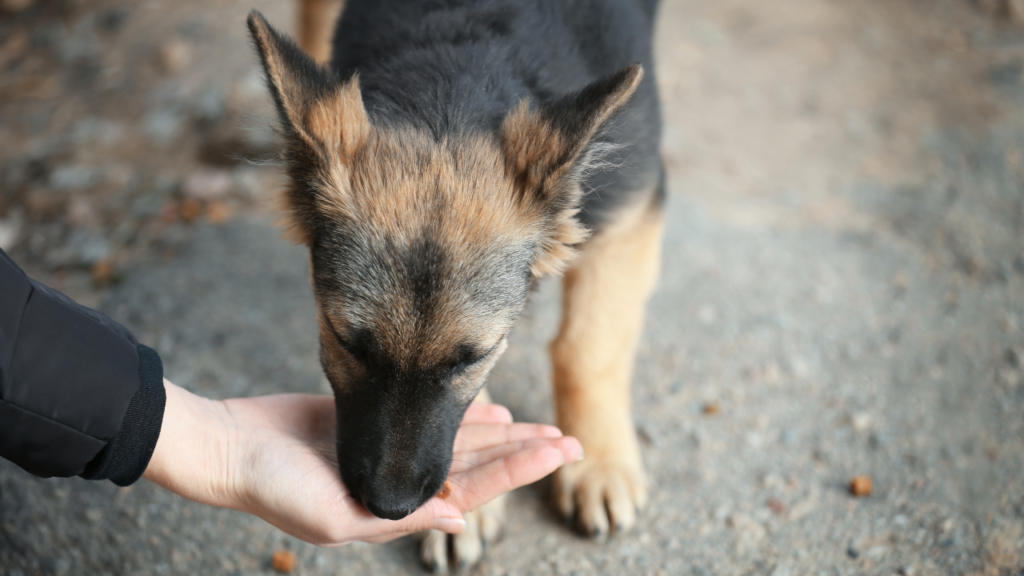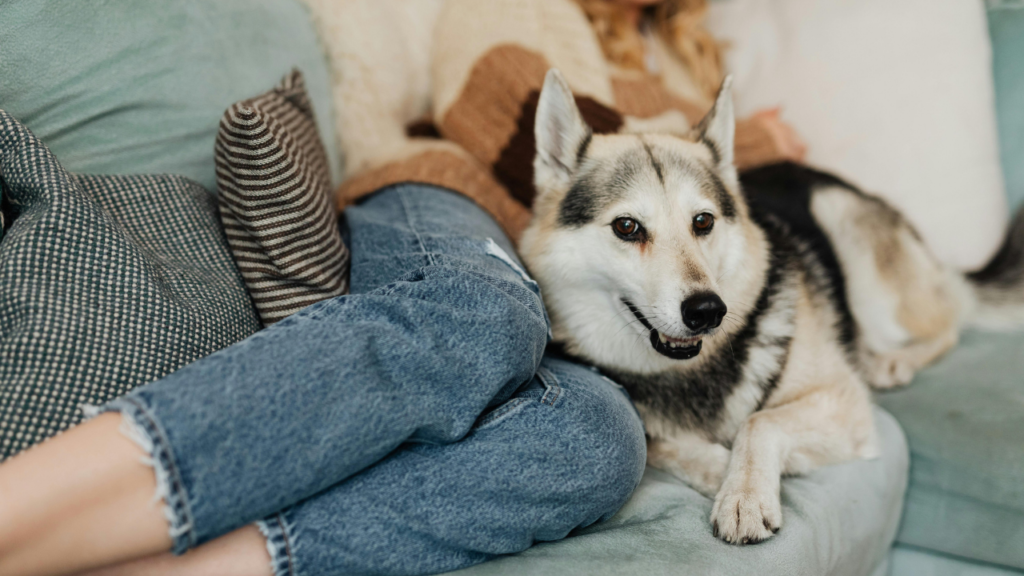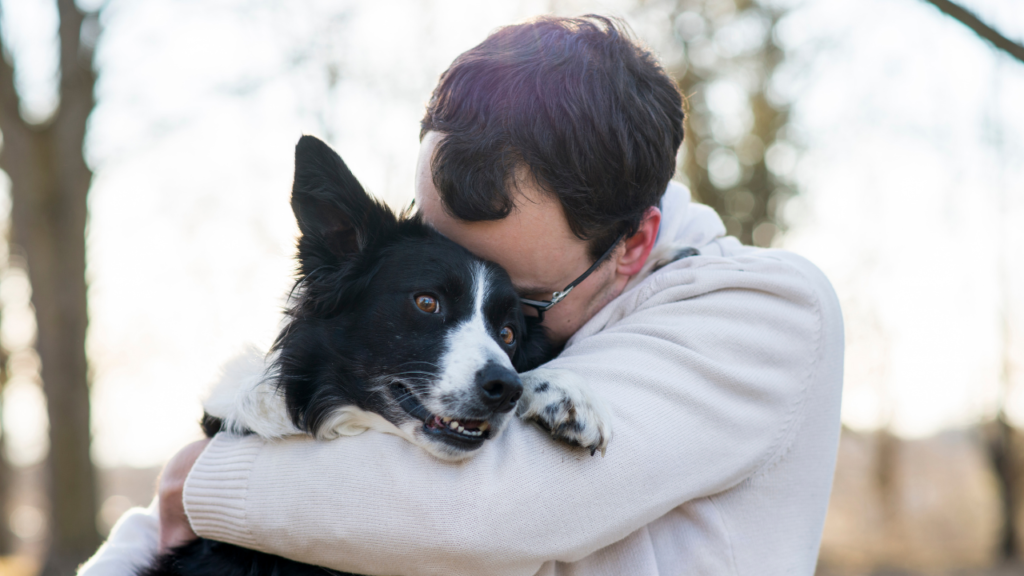

Congratulations on welcoming a new furry member into your family! Training your puppy is a rewarding experience that will help foster a loving and well-behaved companion for years to come. This quick article aims to provide you with essential puppy training tips and techniques to ensure a smooth and successful training journey. You will have questions as you start to read and implement the information below.
As professional dog trainers at Be the Boss Dog Training for Utah County, we highly emphasize the importance of starting early with puppy training. Just like humans, puppies have a critical learning period, which typically occurs between 3 and 14 weeks of age. This window of opportunity allows for faster and more effective learning.
By starting training during this crucial stage, we can shape your puppy’s behavior in a positive and lasting way. Early training focuses on essential commands, socialization, bite inhibition, and housebreaking, which serve as foundations for a well-behaved and well-adjusted adult dog. Our expert trainers are dedicated to providing the guidance and support you need to successfully train your puppy, ensuring a smooth transition into a happy and obedient companion. Don’t hesitate to reach out to us to schedule a consultation and start your puppy’s training journey on the right paw.. We are happy to help!
Positive reinforcement training is a highly effective and rewarding method for teaching puppies. This approach focuses on reinforcing desired behaviors rather than punishing unwanted behaviors. When a puppy exhibits a desired behavior, such as sitting or coming when called, they are rewarded with treats, praise, or playtime. This positive association motivates the puppy to continue displaying the desired behavior in order to receive the same positive reinforcement.
Not only does positive reinforcement training help puppies learn quickly, but it also strengthens the bond between the puppy and their owner. The use of treats and praise creates a positive and enjoyable training experience for the puppy, leading to a deeper trust and respect for their owner. Additionally, positive reinforcement training helps to build the puppy’s confidence and self-esteem, as they are constantly being applauded and rewarded for their efforts. By focusing on positive behaviors, this training approach creates a nurturing and supportive environment for a puppy’s learning and development.
Basic commands are essential for establishing a strong foundation in puppy training. Consistency and positive reinforcement are key when teaching these commands. The first command that every puppy should learn is “sit.” This simple yet vital command teaches puppies impulse control and helps prevent jumping on people. To teach a puppy to sit, hold a treat close to their nose and slowly raise it above their head. As their head follows the treat, their bottom will naturally lower to a sitting position. Once in the sitting position, reward the puppy with the treat and praise. Repeat this process several times each day until the puppy learns to sit on command without the need for the treat.
The next basic command to teach a puppy is “stay.” This crucial command ensures the safety of both the puppy and their surroundings. To teach a puppy to stay, start by asking them to sit. Once in the sitting position, extend one hand out in front of you, palm facing the puppy, and firmly say “stay.” Take a step back and if the puppy remains in place, reward them with praise and a treat. Gradually increase the distance and duration of the stay command, always reinforcing the behavior with positive feedback. It is important to practice this command in various environments with increasing distractions to solidify the puppy’s understanding and obedience. Teaching these basic commands to puppies sets them up for a lifetime of good behavior and a strong bond with their owners.

Proper socialization is crucial for the healthy development of puppies. During their early months, puppies should be exposed to a wide range of people, animals, and environments to help them become well-adjusted and confident dogs. One important aspect of socialization is introducing puppies to different types of people, such as children, adults, and individuals with various appearances and behaviors. This helps them learn to interact calmly and respectfully with people of all ages and backgrounds. Additionally, exposing puppies to other animals, such as other dogs, cats, and even small animals like rabbits or guinea pigs, helps them understand proper social cues and develop good manners when interacting with different species.
In addition to people and animals, puppies should also be familiarized with various environments and situations. This includes exposing them to different sounds, smells, and sights, such as traffic, thunderstorms, and crowds. Gradually introducing puppies to new environments helps prevent fear and anxiety as they grow older, making them more adaptable and less likely to develop behavioral issues. It is essential to ensure that these experiences are positive and not overwhelming for the puppies. Using treats, praise, and gentle encouragement during socialization helps to create positive associations and builds their confidence. Overall, proper socialization during puppyhood lays a solid foundation for their future behavior and helps them become happy and well-rounded members of the community.
Crate training is an essential aspect of raising a well-behaved and happy puppy. While some may view crates as cruel confinement, when used correctly, they provide a safe and consistent space for your pup to rest and feel secure. The key to successful crate training lies in creating positive associations with the crate and gradually increasing the time spent inside.
To start, introduce your puppy to the crate by making it a positive and inviting space. Place the crate in an area where the family spends a lot of time, such as the living room. Leave the door open, enticing your puppy with treats and toys inside the crate. Encourage exploration and praise their curiosity. As your puppy becomes comfortable, begin feeding them their meals near the crate and gradually move the food inside. This process helps your puppy associate the crate with positive experiences and builds a positive emotional connection.
Once your puppy is more familiar with the crate, it’s time to start introducing short periods of confinement. Encourage your puppy to enter the crate using treats or toys, and gently close and latch the door while they are inside. Stay nearby and provide reassurance through soothing tones and praise. Start with very short intervals, gradually increasing the duration as your puppy becomes accustomed to being in the crate. Remember to keep confinement periods positive and enjoyable by providing treats, chew toys, and praise. Crate training allows your puppy to feel safe and secure, preventing unwanted behaviors such as destructive chewing or excessive barking.
Your puppy may start to exhibit behaviors like barking, whining and pawing at the crate as time goes on.
for customized advice based on your puppy’s temperament and behaviors.
Potty training a puppy can be a challenging yet essential task for any dog owner. The key to successful potty training lies in consistency, patience, and positive reinforcement. One of the first steps is to establish a designated potty area outside in your yard. Take your puppy to this spot every few hours, especially after meals, playtime, or waking up from a nap. With time, your puppy will associate this area with going potty. Be sure to reward your pup with treats, praise, and affection every time they eliminate in the right spot. This positive reinforcement will reinforce the desired behavior and encourage your puppy to continue going potty outside.
Here at Be the Boss Dog Training we rarely, if ever, use potty training pads. This teaches a dog to go potty in the home, as this is never our goal we refrain from using these tools. We will occasionally use them for people who are physically unable to take their dogs outside to pee, or other exigent circumstances.
It’s essential to be patient and understanding during this process, as accidents are bound to happen. Remember to clean up accidents promptly and avoid punishment, as it can create fear and hinder the potty training progress.
Leash training is a foundational skill that every puppy should learn. Not only does it ensure the safety of the pup and the people around them, but it also helps establish a strong bond between the owner and their furry companion. The process of leash training involves teaching the puppy to walk calmly on a leash without pulling or lunging.
To start leash training, it’s important to introduce the puppy to the concept of wearing a collar or harness. Begin by allowing the puppy to get accustomed to wearing the equipment for short periods of time while providing positive reinforcement in the form of treats or praise. Once the puppy is comfortable wearing the collar or harness, attach the leash and let them drag it around in a safe, controlled environment. Gradually, introduce mild tension on the leash to teach the pup to feel and respond to the pressure.
The next step in leash training is to teach the puppy to walk beside the owner without pulling. Use treats or toys as distractions to keep the puppy engaged and focused on walking calmly rather than pulling ahead. Whenever the puppy walks beside the owner without pulling, reward them with praise and treats. Consistency is key during this process, as it may take some time for the puppy to understand what is expected of them.
With patience, positive reinforcement, and regular practice, leash training a puppy can be a rewarding experience for both the owner and their four-legged friend, setting the foundation for a lifetime of enjoyable walks and adventures together.
Some puppies will grow up and pull on the leash even with positive reinforcement.
for customized advice based on your puppy’s temperament and behaviors.
When it comes to raising a well-behaved and obedient puppy, discouraging undesirable behaviors is crucial. Puppies, much like human babies, rely on their instincts and need to be taught proper behavior from an early age. One essential aspect is consistency in training. By establishing a consistent set of rules and expectations, puppies can understand what is acceptable and what is not. It’s important to address undesirable behaviors promptly, ensuring that your puppy knows what is discouraged.
Another effective way to discourage undesirable behaviors is through positive reinforcement. Praise and rewards go a long way in puppy training. When your puppy behaves appropriately or follows a command, offer him treats, verbal praise, or even a pat on the head. This positive reinforcement encourages your puppy to repeat the desired behavior.
On the other hand, when your puppy engages in an undesirable behavior, respond calmly and promptly. Here at Be the Boss Dog Training we use a combination of positive AND negative reinforcement appropriate for the age of the dog. With this balanced approach we QUICKLY stop issues like barking, nipping and much more!
Remember that patience and persistence are key. It’s important to set realistic expectations and understand that training takes time. With your guidance and consistent training methods, your puppy will learn and grow into a well-mannered and obedient companion.
Some puppies will need more advanced help to stop undesirable behaviors
for customized advice based on your puppy’s temperament and behaviors.

Consistency is an essential element when it comes to training puppies. Puppies are like sponges, eager to learn and absorb everything around them. By maintaining a consistent training routine, you establish clear boundaries and expectations for your puppy. This consistency creates a structured environment where your puppy can thrive and understand what is expected of them. Whether it is potty training, leash training, or basic obedience commands, practicing consistency in your training methods and expectations will help your puppy understand and retain what you are teaching them.
Consistency also plays a crucial role in building trust and strengthening the bond between you and your puppy. When you consistently provide clear cues and expectations, your puppy knows what to anticipate from you, reducing any confusion or stress. Additionally, consistency in your training methods and rules helps avoid mixed signals or conflicting commands, which could confuse your puppy and hinder their progress. By being consistent in your approach, you create a stable and reliable foundation for effective training, setting your puppy up for success as they grow and learn.
Remember, consistency is key when training puppies, as it allows them to understand and adapt to your expectations, ultimately leading to a well-behaved and happy dog in the long run.
Training a puppy can be a challenging and time-consuming endeavor, requiring patience, consistency, and expertise. That’s where Be the Boss Dog Training for puppy training can make a significant difference. We possess the knowledge and experience needed to address common behavior problems, establish firm foundations, and help puppies develop into well-mannered adult dogs.
Be the Boss Dog Training understand that every puppy is unique, and we can tailor our training methods to suit the specific needs of each individual dog. We can identify potential behavior issues and provide guidance on how to prevent or correct them effectively. From potty training and leash walking to basic commands and socialization, we offer invaluable advice and techniques to ensure that puppies receive the best start in life. Moreover, we guide owners on key aspects of puppy care, including nutrition, health, and mental stimulation.
By seeking professional help for training puppies, owners can avoid common pitfalls and speed up the training process. Trainers can offer consistent guidance and support, ensuring that owners and their puppies work together towards a harmonious relationship. Ultimately, investing in professional puppy training can strengthen the bond between owners and their furry companions, setting the stage for a lifetime of mutual understanding and companionship.
to schedule your FREE consultation for some 1:on:1 time with a personal trainer!

to schedule your FREE consultation for some 1:on:1 time with a personal trainer!
JULY 20, 2023