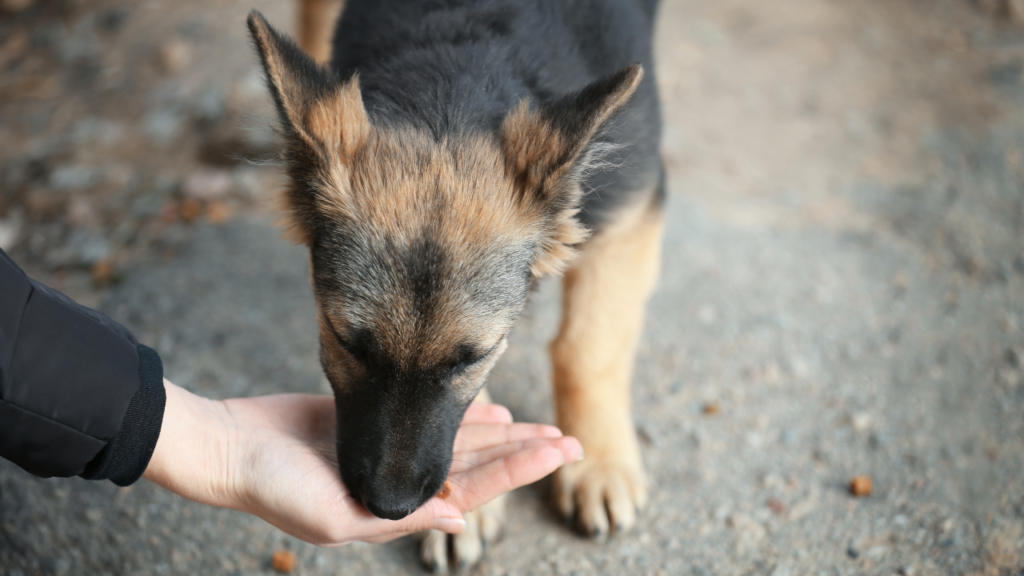

When it comes to training your dog to walk on a leash, many people struggle. They stumble through advice that’s unbalanced, and ultimately ineffective. It’s time for a wake-up call: leash training is incredibly easy and can be done in just one walk. Yes, you heard that right. One walk. But only if you understand the psychology of your dog and are open to using the right tool that works for YOUR dog.
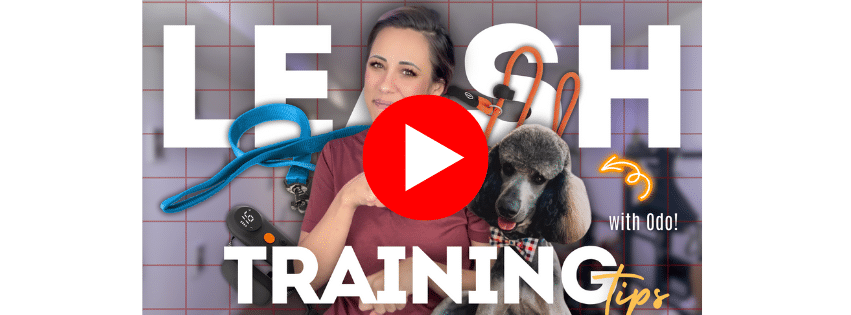
Click on this video to watch a step by step tutorial on how to leash train your dog!
First, let’s address the elephant in the room. Leash training is a nightmare for many dog owners. They’re dragged down the street, embarrassed in front of neighbors, and left feeling helpless.
The reality? Many people face challenges with leash training because they don’t always use the most effective techniques. This often stems from a lack of understanding about what truly works in dog training. While their intentions are good, they might be following outdated or misguided advice, leading to frustration for both the owner and the dog.
Effective leash training requires a combination of understanding your dog’s behavior, using appropriate tools, and applying consistent, proven methods. By focusing on these key elements, you can overcome common challenges and achieve success in leash training.

Training a dog to walk on a leash is straightforward if you follow one simple rule: make pulling less rewarding. Dogs are creatures of habit. When they find something rewarding, they tend to do it more often. By gently discouraging pulling, you can help your dog learn that staying by your side is much more rewarding. Once your dog understands this, you can focus on making the walk enjoyable for both of you. It really is that simple.
Dogs are motivated by immediate consequences. If something feels good, they’ll keep doing it. If it doesn’t, they’ll stop. This is the foundation of effective leash training. When your dog pulls, they need to experience a consequence that THEY value. When they walk nicely, they should be rewarded. It’s about creating clear, immediate feedback that your dog can understand.
Click Here for a Free Leash Training PDF


So, how do you make pulling less appealing? It’s not about hurting your dog but about creating a situation where pulling isn’t rewarding. Dogs are quick learners when it comes to associating actions with outcomes. When they discover that pulling on the leash doesn’t get them closer to their destination or to interesting smells and sights, they start to reconsider their behavior.
- Stop and Go Method: When your dog pulls, stop walking. Wait until the leash slackens and then start walking again. In our experience this only works with young puppies, or dogs with natural temperaments that are gentle.
- Change Direction: When your dog pulls, abruptly change direction. This forces them to pay attention to you and discourages pulling. In our experience this helps with teaching a dog to walk next to you, but doesn’t stop reactivity
- Use the Right Tools: A well-fitted transitional, slip lead, prong collar, or ecollar or make a world of difference. Don’t be afraid of using tools that help you control your dog better. In our experience, with this long list of tools we can use…we are 100% successful at stopping pulling in one walk.

Many dog owners hesitate to use tools like prong collars or head halters because they worry about causing harm or believe these tools are cruel. However, this concern is often based on misunderstandings. The right tool, used correctly, can provide clear communication to your dog.
It’s not about punishment; it’s about providing effective guidance. These tools can help create a more positive and structured training environment. When used responsibly, they can significantly improve your dog’s walking behavior and overall well-being.
- Prong Collars: These look intimidating, but they mimic the natural correction a mother dog would give her pups. When used properly, they provide even pressure around the neck and discourage pulling.
- Head Halters: These give you control over your dog’s head, making it easier to redirect their attention back to you.

Once you’ve established that pulling is uncomfortable, shift your focus to making the walk enjoyable. This is where positive reinforcement comes in. Reward your dog with treats, praise, and affection when they walk nicely beside you. Make the walk a pleasant experience, and they’ll be more likely to behave.
- Treats: Use high-value treats that your dog loves. Reward them frequently at first, then gradually decrease as they improve.
- Praise and Affection: Verbal praise and petting reinforce good behavior. Dogs love positive attention from their owners.
- Play: Incorporate play into your walks. Bring a favorite toy and engage in short play sessions when your dog walks well.

Don’t let your fear of tools keep your dog’s life small and stressful. Dogs need structure, boundaries, and clear communication. Be the owner your dog needs you to be. This means taking charge, being consistent, and not being afraid to use the tools that can help you both succeed.
- Educate Yourself: Learn how to properly use training tools. Many fears stem from misunderstanding and misinformation.
- Seek Professional Help: If you’re unsure, consult a professional dog trainer. They can demonstrate the correct use of tools and techniques.
- Trust the Process: Training takes time and patience. Trust that with consistent effort, you and your dog will improve.

Training a dog to walk on a leash doesn’t have to be a struggle. By understanding your dog’s psychology, discouraging pulling, and using the right tools, you can transform your walks in just one session. Embrace your role as a confident and clear leader for your dog. The result will be a happier, more relaxed dog and enjoyable, stress-free walks for you both.
So, stop making excuses and start training. Your dog deserves it, and so do you. Remember, it’s incredibly easy and can be done in just one walk. You have the power to make it happen. Now go out there and be the leader your dog needs.