Socializing your dog is not just a nice-to-have—it’s a must. Whether you’re dealing with a new puppy or an older dog, socialization is key to ensuring they are well-behaved, confident, and happy.
In this guide, we’ll dive into the essential steps you need to take to make sure your dog is well-socialized. We’ll cover everything from finding the best dog parks near you to enrolling in puppy classes and dog socialization classes.
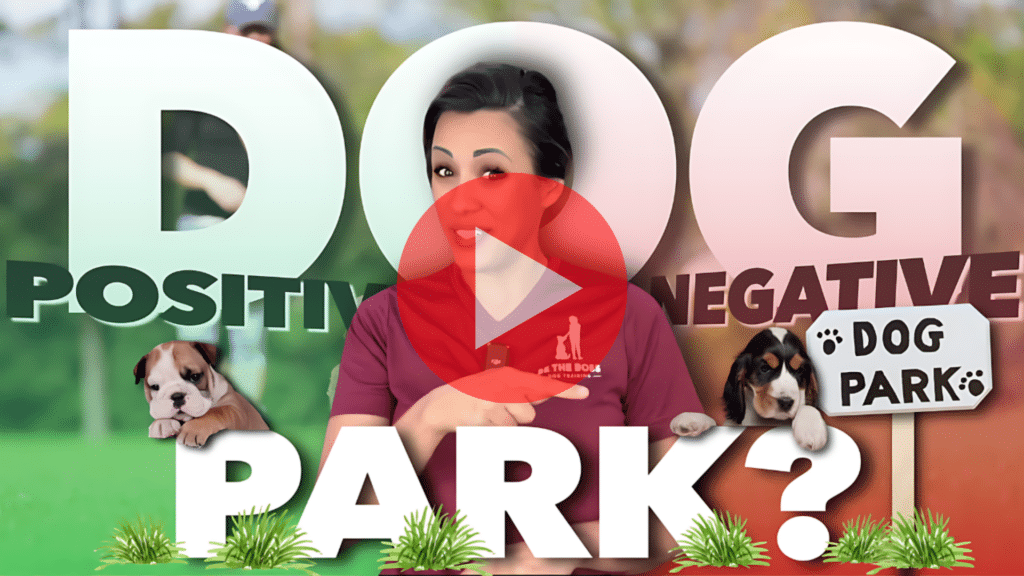
Our dog trainer is on your side, ready to guide you through the ins and outs of dog parks.

Understanding Socialization
Socialization is the process of exposing your dog to different environments, people, and other animals. It helps them learn how to interact appropriately and reduces the likelihood of fear or aggressive behavior. If you neglect this crucial aspect of their development, you risk raising a dog that is anxious, aggressive, and difficult to handle.

Why Socialization Matters
Without proper socialization, you’re setting your dog up for a lifetime of behavioral problems and missed opportunities. Their quality of life is significantly enhanced, allowing them to participate in more activities and environments.
- Reduces Aggression: A well-socialized dog is less likely to display aggressive behavior.
- Boosts Confidence: Exposure to different scenarios helps build a dog’s confidence.
- Improves Behavior: Socialized dogs are generally better behaved and easier to train.
- Enhances Quality of Life: A socialized dog can enjoy more activities and environments, making their life richer and more enjoyable.
Dog Parks: They MAY be a good play to socialize, depending
A possible good first step in socializing your dog is finding local dog parks. These parks can provide a safe, controlled environment where your dog can interact with other dogs. But not all dog parks are created equal. Do your research to find the best dog parks near you. Look for parks with positive reviews, good facilities, and a friendly community of dog owners.
Tips for Dog Parks
- Start with short visits and gradually increase the time.
- Visit during off-peak hours initially to avoid overwhelming your dog.
- Keep an eye on your dog at all times.
- Ensure your dog is up-to-date on vaccinations before visiting.
- Know dog body language so you can advocate for your dog
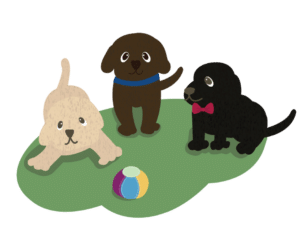
Puppy Classes & Socializing Puppies: A great way to PROPERLY socialize
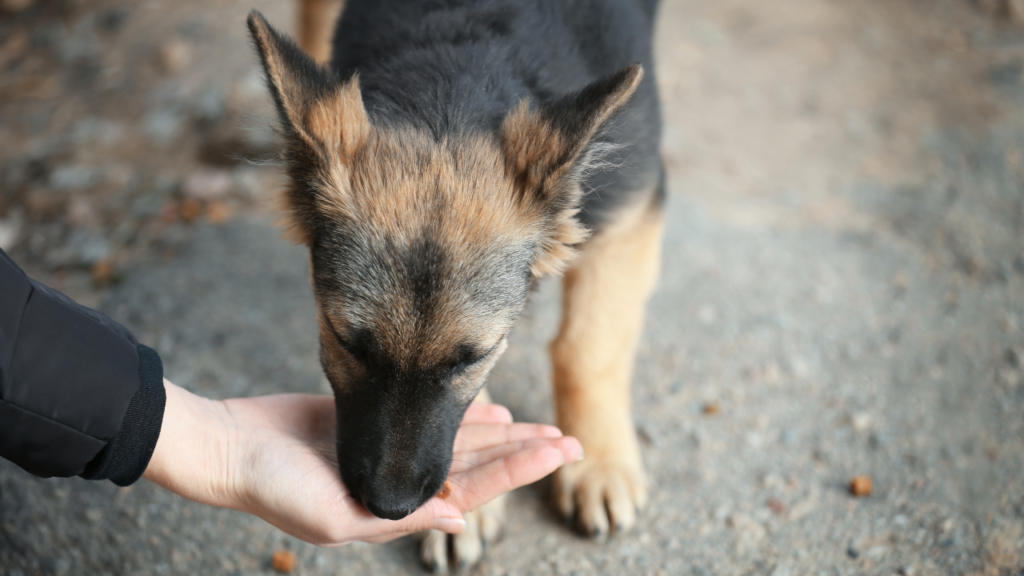
Puppy socialization is about more than just meeting other dogs. It involves exposing your puppy to various sights, sounds, and experiences. The more positive experiences your puppy has, the more adaptable and well-behaved they will be.
For puppies, socialization should start as early as possible. Coming to our group class and packwalk every Saturday at 10am in Dry Creek Park, Lehi is the perfect way to get PROPER socialization around trainers, meet other dog owners, and get your questions answered!
Benefits of Puppy Classes:
- Structured Learning: Professional trainers guide the socialization process.
- Safe Environment: Controlled settings reduce the risk of negative interactions.
- Peer Interaction: Puppies learn to interact with other dogs of the same age.
- People: Introduce your puppy to different people of various ages, sizes, and appearances.
- Environments: Take your puppy to different places like parks, streets, and pet-friendly stores.
- Sounds: Expose your puppy to different sounds such as traffic, household noises, and nature sounds.
- Surfaces: Let your puppy walk on various surfaces like grass, concrete, gravel, and wood.
Click here to get reminders for our group class and more info!

How to Introduce Dogs: The Right Way
Introducing dogs to each other can be a delicate process. Doing it wrong can lead to fear, aggression, or lasting negative associations. Here’s a video and a step-by-step guide on how to introduce dogs properly.

Some helpful tips
- Neutral Territory: Always introduce dogs on neutral ground to prevent territorial aggression.
- Leashed First Meeting: Keep both dogs on a leash during the initial introduction.
- Positive Reinforcement: Use treats and praise to reward calm behavior, however treats are high value items which can cause resource guarding. Use these wisely.
- Short and Sweet: Keep the first interaction brief. Gradually increase the duration as they become more comfortable.
- Monitor Body Language: Watch for signs of aggression or fear and intervene if necessary.

Dog Socialization Classes: Advanced Training
Once your dog has mastered the basics of socialization, consider enrolling them in advanced dog socialization classes. These classes are designed to fine-tune your dog’s social skills and address any specific behavioral issues. Searching for dog socialization classes near me will bring up our Be the Boss Dog Training Website.
Advantages of Socialization Classes:
- Expert Guidance: Professional trainers can address specific issues and tailor training to your dog’s needs.
- Continued Learning: Socialization is an ongoing process, and these classes provide continuous learning opportunities.
- Behavior Correction: Classes can help correct any bad habits or behaviors that have developed.
Click here to see some of our amazing training classes!

Common Socialization Mistakes to Avoid
Socializing a dog is not without its challenges. Avoid these common mistakes to ensure the process is smooth and effective.
- Forcing Interactions: Never force your dog into interactions they are not comfortable with.
- Skipping Early Socialization: The earlier you start, the better. Don’t wait until your dog is older.
- Inconsistent Training: Consistency is key. Ensure everyone in the household follows the same training methods.
- Ignoring Signs of Stress: Pay attention to your dog’s body language and remove them from stressful situations.
Final Thoughts
Socializing your dog is a crucial part of responsible pet ownership. It requires time, effort, and a proactive approach. From finding the best dog parks near me to enrolling in puppy classes near me, every step you take towards socializing your dog will pay off in the long run. A well-socialized dog is a joy to be around, and investing in their socialization will lead to a happier, healthier, and more well-adjusted pet.