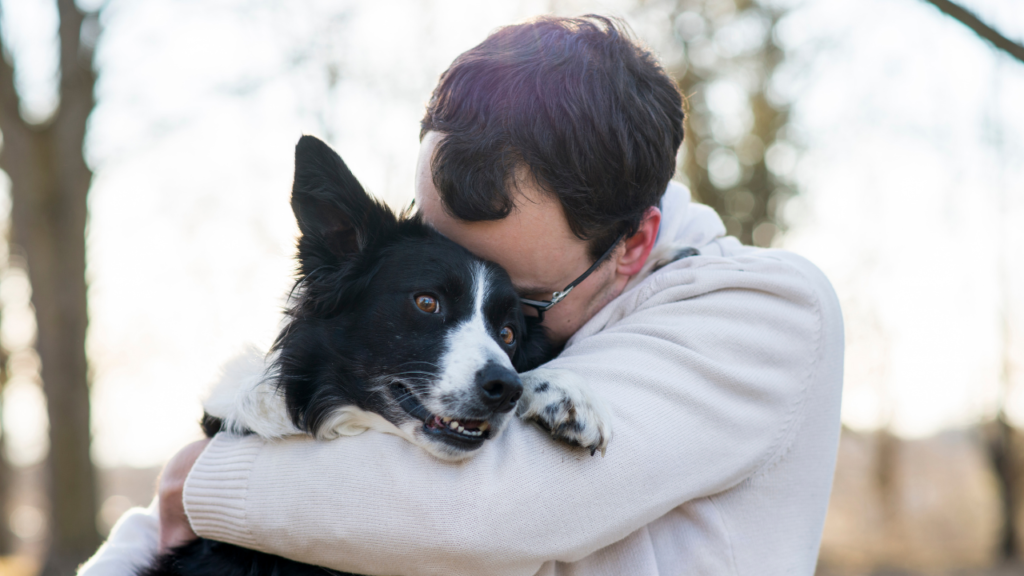

HIDING SOMETHING EMBARRASSING IN THE BEDROOM?

º

Millions of Americans suffer this humiliation a few times a week. There’s a simple cure, but most people feel they don’t have the time or the energy to fix it, so they suffer in “not so quiet” silence. 

But I know what it is. It’s a barking dog. You yell: “Someone grab the dog!” when the doorbell rings.

You open the door and with a sheepish grin say something like, “Don’t mind the dog, he always does this.” Dog is relegated to the bedroom, bedroom door is slammed, and Fido barks away while you are visiting with your guests. He’s definitely your embarrassment in the bedroom.

Did you know that with some family participation, and a little effort, you can solve this problem? Make a night of it with the kids/spouse/etc., and help teach your furry family member some etiquette.

The command is called “place”.

Boom! Problem solved. 

I’m always showing people how to help their dogs. So for more tips and advice follow me on Facebook.
More Tips

Check out our other posts

Why Clear Communication Changes Everything

Think your dog is stubborn, ignoring you, or deliberately testing your patience?

The truth might be simpler: your dog is constantly reading your body language, tone, timing, consistency, and follow-through. When those signals don’t match what you’re saying, your dog can become confused about what you actually want.

Discover why your dog may listen perfectly to a trainer but struggle with you, why repeating commands can make things worse, and how clearer communication can lead to less frustration, better behavior, and a stronger relationship with your dog.

Read More »

Stop Negotiating With Your Dog: Make Your First “No” Count

Your dog isn’t ignoring you by accident—they may have learned that if they wait long enough, you’ll give in.

From leash pulling and jumping to selective listening and treat bribery, inconsistent boundaries can accidentally reinforce the behaviors driving you crazy.

Learn how calm, consistent follow-through can help you stop repeating yourself, communicate more clearly, and build a dog that actually listens the first time.

Read More »

Why Your “High-Energy” Dog Still Won’t Calm Down

Think your dog is bored because they’re constantly pacing, barking, jumping, demanding attention, or getting into trouble?

More exercise and nonstop entertainment might not be the solution. Your dog may actually need more structure. Learn how consistent routines, clear boundaries, purposeful training, and intentional downtime can teach your dog how to settle and develop a reliable “off-switch.” The result?

A calmer, more confident dog who doesn’t need you to be their full-time entertainment—and a more peaceful, enjoyable life together.

Read More »

Stop Blaming Reactivity: Your Dog May Just Be Overstimulated

Is your dog calm at home but completely loses it the second you go for a walk?

Pulling, barking, lunging, and ignoring you may not always mean your dog is reactive—they could be overstimulated.

Learn why too much excitement and not enough guidance can turn walks into chaos, plus simple dog training strategies to help your dog stay calmer, focused, and easier to handle on leash.

Read More »