

Mental Fatigue vs. Physical Fatigue in Dogs: The Key to Better Behavior
Have you ever taken your dog on a long walk only to come home and watch them race around the house with endless energy?
You’re not alone. Many dog owners focus on physical exercise to tire out their dogs, but mental stimulation is often the missing piece. In this article, you’ll learn the difference between mental and physical fatigue in dogs, why activities like training, sniffing, and problem-solving can be just as exhausting as a long walk, and how balancing both types of exercise can reduce unwanted behaviors like pulling on the leash, jumping, barking, and destructive chewing.
Whether you have a playful puppy or an energetic adult dog, these simple strategies will help you raise a calmer, happier, and more well-behaved companion.

Is Your Dog Too Trained? Why Constant Commands Can Backfire
Most dog owners think more training leads to better behavior—but that’s not always true.
If your dog only listens when you’re giving commands, they may be relying on you instead of learning self-control.
Discover how overtraining can create dependence, why constant correction often backfires, and how teaching your dog to make good decisions leads to calmer, more reliable behavior at home and in the real world.

The Surprising Reason Your Dog Mirrors Your Emotions
Ever wonder why your dog seems to get more excited, anxious, or reactive when you’re stressed?
Dogs are experts at reading human emotions, and your body language, tone of voice, and energy can directly influence their behavior.
Discover why calm humans create calm dogs and learn simple training habits that lead to less pulling, less barking, and a more confident, well-behaved companion.

Why Dogs Ignore Verbal Commands Under Stress (And How to Build Reliable Obedience)
If your dog listens perfectly at home but ignores every command in public, they aren’t being stubborn—they’re showing you the true depth of their training.
Learn why stress, excitement, and distractions affect obedience, and discover practical strategies to build reliable, real-world obedience that works when it matters most.
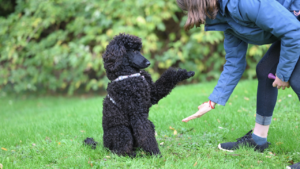
Does Training Count as Mental Exercise for Dogs?
Is your dog still full of energy even after a long walk?
The problem may not be a lack of physical exercise—it could be a lack of mental stimulation. In this article, you’ll discover why training counts as mental exercise, how it can help reduce common behavior problems like jumping, barking, and destructive chewing, and why just 10 minutes of focused training can be more effective than an hour of physical activity.
Learn simple ways to challenge your dog’s mind through training games, food puzzles, scent work, and everyday enrichment activities that create a calmer, happier, and better-behaved companion.

The Dog Training Secret Most Owners Overlook
You walk your dog, play fetch, and make sure they get plenty of exercise—so why are they still barking, pulling on the leash, jumping on guests, or acting restless at home?
The answer may be simpler than you think. Many behavior problems aren’t caused by a lack of physical exercise but by a lack of mental stimulation. In this article, you’ll discover why mental exercise is essential for your dog’s well-being, how just a few minutes of brain work can reduce unwanted behaviors, and simple ways to create a calmer, more focused, and better-behaved dog.

Your Dog Has 5 Bosses—and That’s the Problem
Think your dog is stubborn? Think again.
Many behavior problems—from ignoring commands and pulling on the leash to jumping on guests and begging at the table—aren’t caused by a lack of training. They’re caused by confusion. When family members use different commands, enforce different rules, or reward different behaviors, dogs are left guessing what’s expected of them.
In this article, you’ll discover how inconsistency creates hesitation, why your dog may listen to some people but not others, and the simple changes that can transform confusion into confidence.

The Hidden Psychology Behind Dog Regression After Travel
Did your dog suddenly stop listening after boarding or vacation?
You’re not alone. Many dogs regress after travel because changes in routine reset their expectations and create confusion.
In this blog, you’ll learn the real psychological reason dogs test boundaries after vacations, how accidental habits reinforce bad behavior, and the simple “vacation reset” smart dog owners use to get their dogs listening again fast.

Fear Looks Like Obedience… Until It Falls Apart
Many dog owners mistake silence and compliance for calm behavior, but a dog that appears obedient may actually be emotionally shut down from fear or pressure.
In this blog, we break down the critical difference between true calmness and shutdown behavior, why fear-based obedience often falls apart in public, and the hidden long-term consequences of “quick fix” training methods.
Learn how emotional stability, trust, and confidence create a more reliable dog — and a much easier life for owners.

Why Your Dog Goes Crazy When You Use Baby Talk
Excited baby talk may seem harmless, but it could actually be fueling your dog’s jumping, barking, leash pulling, and overexcitement.
Dogs mirror human emotional energy, and the way you speak directly affects their nervous system.
In this blog, learn how high-pitched tones increase arousal, why calm communication creates better behavior, and how small changes in your energy can lead to a calmer, more responsive dog at home and in public.