
Imagine loving your dog with all your heart but slowly and unknowingly diminishing their quality of life with every meal. It’s a sobering thought, but it’s also a call to action. Feeding your dog isn’t just an act of care—it’s a responsibility to understand the biological impact of what we’re giving them and to make choices that truly support their well-being.
This isn’t a simple debate about kibble versus raw food or trendy diets. It’s about something much deeper—the profound biological consequences of every ingredient, every additive, every choice we make when it comes to their nutrition. Every bowl we fill is a decision that shapes their health, behavior, and even their lifespan. The stakes are higher than most dog owners realize.
Feeding Habits: Innocence with a Side of Neglect?
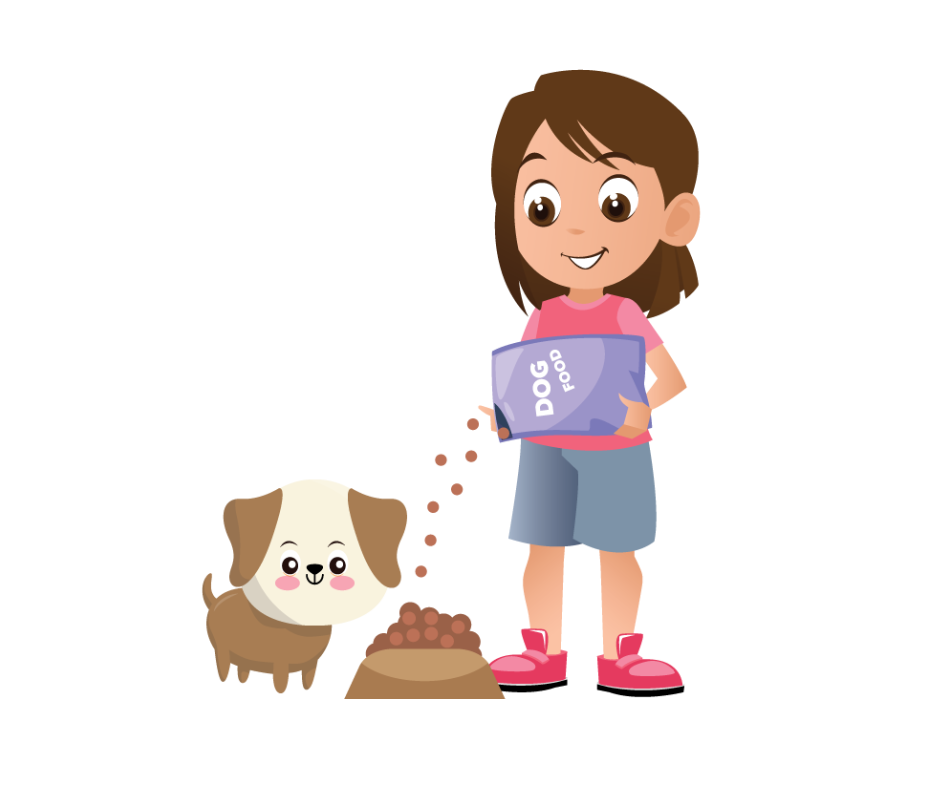
You love your dog. You probably even spoil them. Treats for sitting nicely, a little extra kibble because they looked at you with those pleading eyes. Harmless, right? Wrong. That “love” could be slowly killing them. Feeding habits, however well-intentioned, directly shape a dog’s long-term health.
Consider this: Would you feed your child fast food every day because they begged for it? You wouldn’t—because you know the damage it would do. And yet, when it comes to dogs, owners routinely make exceptions, blind to the fact that their pets are suffering the silent repercussions of poor nutrition.
The Biological Fallout of Poor Feeding Habit
The connection between poor diet and chronic illness is well-documented in humans, but do you realize how similar the link is for dogs? Here’s a breakdown of the biological wreckage that starts with what’s in their bowl:
- Obesity: Overfeeding leads to excess fat storage, increasing your dog’s risk of joint problems, heart disease, and diabetes. Yes, dogs can get diabetes.
- Inflammation: Highly processed foods (including most commercial kibbles) can ignite chronic inflammation, a precursor to arthritis, skin issues, and even cancer.
- Organ Strain: A poor diet taxes the kidneys, liver, and pancreas, which are vital for detoxifying and metabolizing food. Over time, this strain leads to organ failure—a leading cause of premature death in dogs.
- Behavioral Impact: Did you know that what your dog eats can affect their mood and behavior? Dogs fed a diet high in artificial additives and fillers often exhibit anxiety, hyperactivity, or lethargy.
Preventable Diseases Aren’t Just “Bad Luck”
Let’s call it like it is: most diseases related to poor feeding habits are preventable. Obesity doesn’t just “happen.” Arthritis in middle-aged dogs is often a direct result of carrying too much weight for too long. Dental disease—another overlooked consequence—can lead to systemic infections that affect the heart and brain.
And cancer? While genetics play a role, diet is a massive contributing factor. Dogs who consume high-carb, low-quality diets are at a significantly greater risk of developing cancerous tumors.

Why This Should Matter Even If You Don’t Own a Dog
The lessons here go beyond canine care. If you’ve ever ignored your own dietary habits, this might feel eerily familiar. The excuses we make for poor nutrition—”I’m too busy,” “It’s expensive to eat better,” “One cheat meal won’t hurt”—mirror the rationalizations we use when feeding our pets.
Dogs, much like humans, are what they eat. And just like us, they can’t escape the biological consequences of prolonged neglect.

Changing Course: It’s Easier Than You Think
The good news? You can turn this around. It doesn’t require gourmet meals or breaking the bank. What it does require is intention. Here are simple steps to start today:
- Audit Your Dog’s Food: Look at the ingredients. If the first few listed are fillers like corn, wheat, or by-products, it’s time for an upgrade.
- Control Portions: Consult with your vet about the right amount for your dog’s breed, age, and activity level. Overfeeding is a kindness with cruel consequences.
- Ditch the Junk Treats: Opt for single-ingredient treats like freeze-dried liver or fresh fruits and vegetables (in moderation).
- Research: Just like you would for yourself, educate yourself about what goes into your dog’s body. Trusted resources and canine nutritionists can provide guidance tailored to your pet.

A Final (Psychological) Thought
When we talk about feeding our dogs, we’re really talking about something deeper: the psychology of care. Feeding is nurturing. It’s one of the most basic ways we show love. But love, when misguided, can harm. The guilt you feel when your dog begs for an extra treat? That’s about you, not them.
Dogs live shorter lives than us, and every meal is an opportunity to add to—or take away from—the time they have. If that doesn’t make you stop and reflect, what will?
Your dog depends on you. Their health, happiness, and longevity are entirely in your hands. So, are you feeding them for love—or for slow destruction?
It’s time to look in the bowl—and in the mirror. The choice is yours, and it starts today.