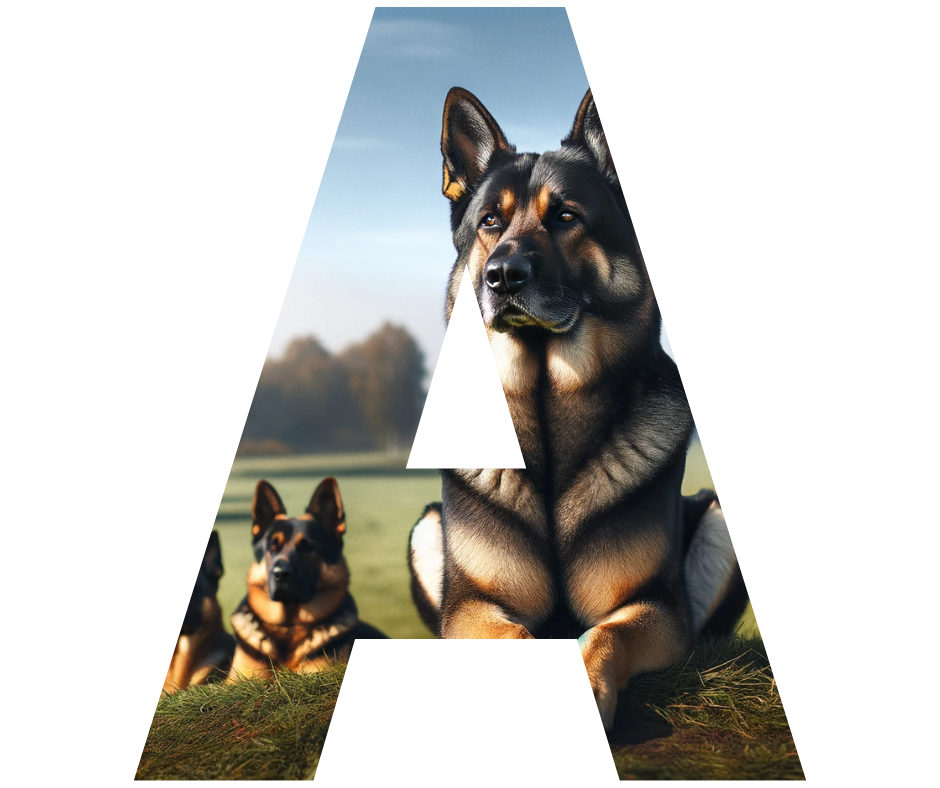
Have you ever watched your pooch interact with other dogs and wondered why they act a certain way? Maybe they’re the first to fetch the ball, or perhaps they’re leading the way on your daily walks. It’s not just personality; these are the subtle signals of an alpha dog asserting their role in the pack.
Let’s dive in, learn about these behaviors, and find out how we can live in harmony with our confident, assertive, and yes, sometimes stubborn, alpha dogs…
When you think of an alpha dog…
…you might picture a domineering, assertive canine. However, the true essence of an alpha dog is nuanced, characterized by both subtle and overt signs that paint a picture of a confident pack leader.
Here’s a deeper dive into the behaviors of an alpha dog, some of which may surprise you, and others that might pose a familiar challenge…

Quiet Confidence
Alpha dogs aren’t necessarily the loudest in the room. A quiet, unbothered demeanor in the presence of hyperactive dogs often signals an alpha’s confidence. They don’t need to prove anything; they’re secure in their status.

Selective Affection
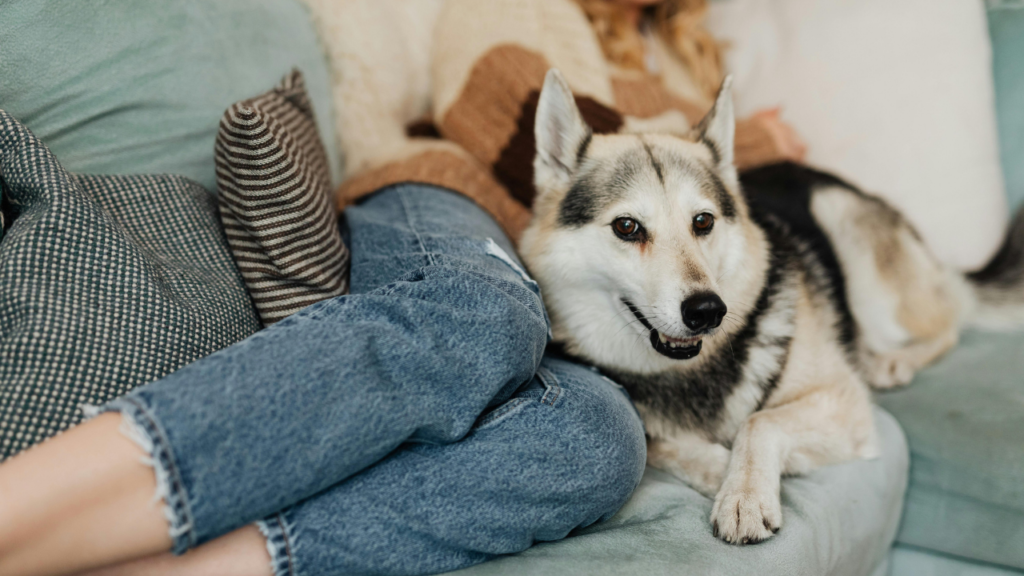
Alpha dogs may be affectionate, but they’re often more discerning about when and from whom they seek attention. They enjoy affection on their terms and won’t pester you for it.

The Observant Guardian
These canines often position themselves for optimal observation. Whether at the dog park or home, they prefer spots that offer a clear view, allowing them to survey their domain and pack members.
Advanced Signs of Alpha Dog Behavior…
…may lead to more aggressive behaviors like trying to control the actions of others, forcing their will on others, and acting in inappropriate and boundary violating ways with others. While there is no such thing as a “bad” dog here are some Alpha traits that need immediate attention…
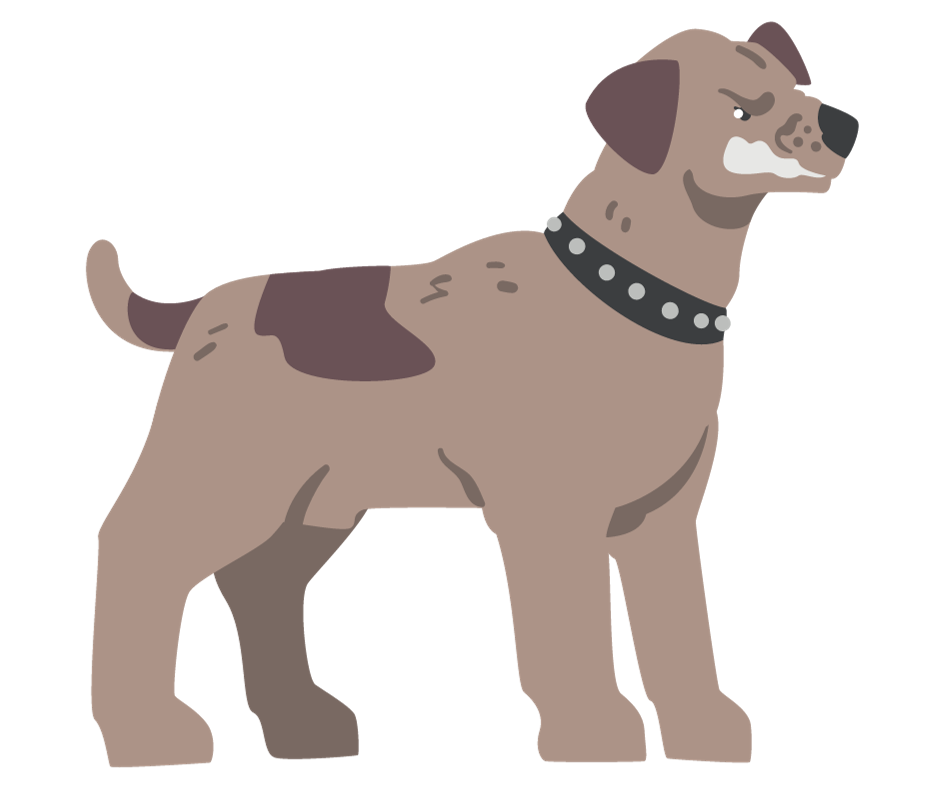
Resource Guarding
An alpha dog may guard food, toys, or even people. It’s not just about possession; it’s about controlling resources. Training to manage this behavior is essential to prevent aggression.
Unyielding in Play
In playgroups, the alpha dog often decides when playtime begins and ends. They set the rules and expect other dogs to follow.
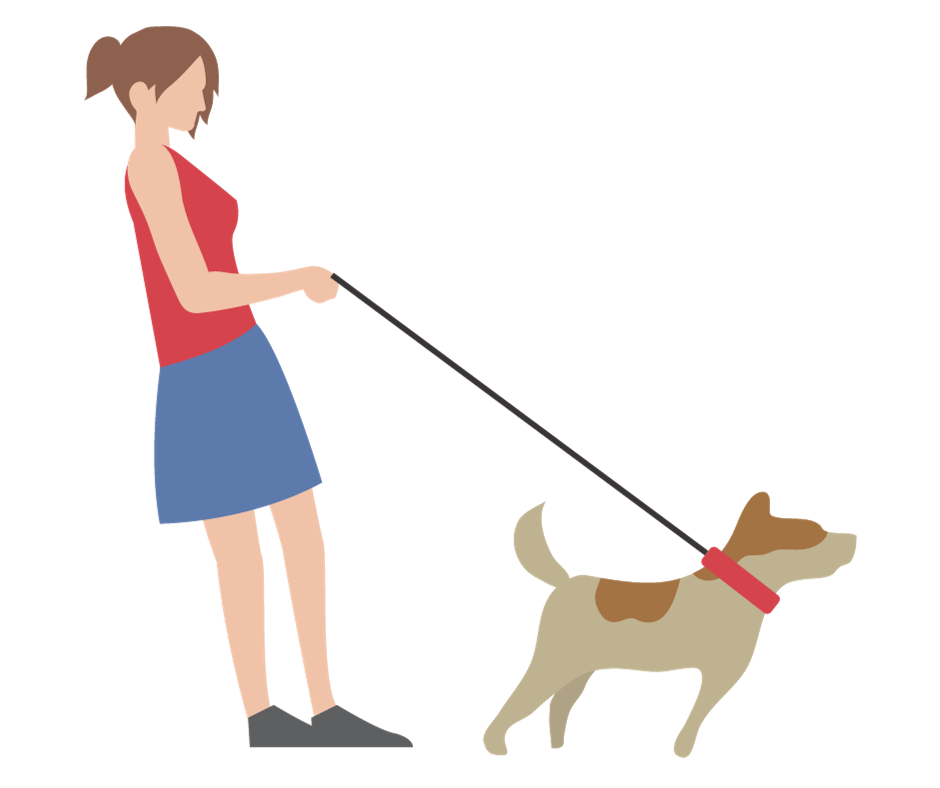
Leading the Way
During walks, an alpha dog often pulls ahead, not just out of excitement but to assert their role as the leader of the pack. It’s a significant sign that many pet owners wrestle with.
Recognizing These Signs…
…is the first step toward creating a balanced relationship with your alpha dog. It’s not about subduing their spirit but rather guiding their leadership qualities in a positive direction.
If you’re struggling with your alpha dog’s behaviors, remember that leadership is a two-way street. Dogs look for consistency and clear communication. Training should be about mutual respect—setting boundaries while acknowledging their instincts.
In the end, living with an alpha dog can be a richly rewarding experience. These canines are often loyal, intelligent, and protective companions. Embrace their strengths, address the challenges with patience, and you’ll have not just a well-behaved pet but a partnership built on mutual respect and understanding.
My Dog Has Some of These Behaviors