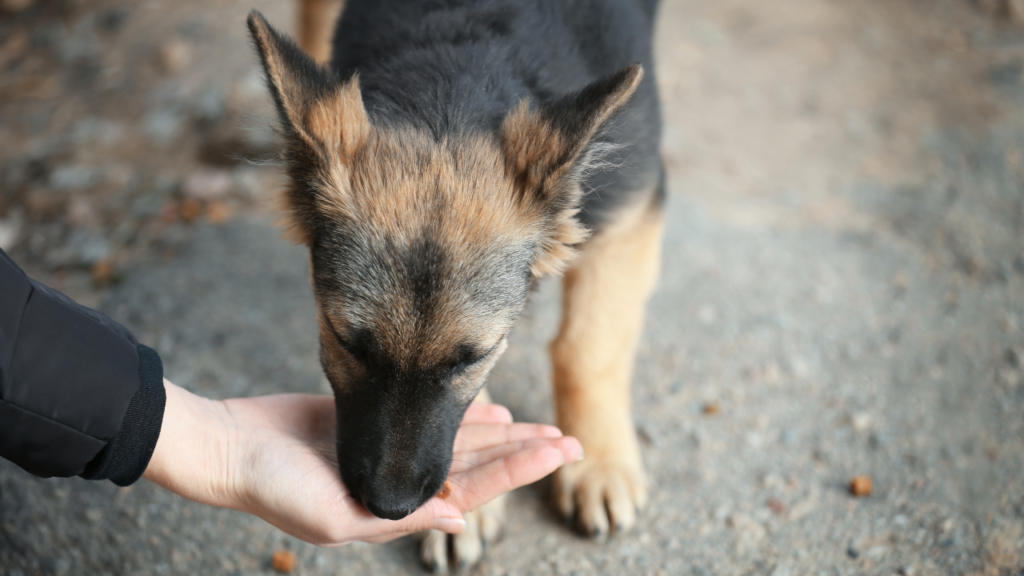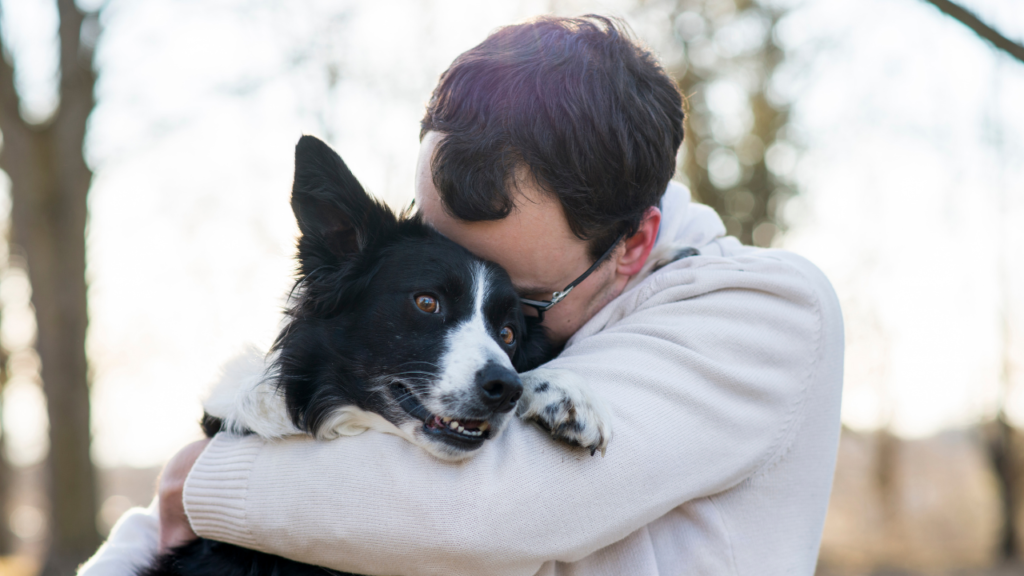
Dealing with an aggressive dog can be one of the most challenging experiences for any pet owner. Whether your dog is showing signs of aggression toward other animals, people, or even you, it’s crucial to address these behaviors early on. The good news? With the proper training and support, even aggressive dogs can be rehabilitated.
Numerous specialized dog behavior training options can help manage and resolve aggression in Utah County. This guide will explain the importance of finding the right trainer and the fundamental techniques used in aggressive dog training.
What Causes Aggression in Dogs?
Before diving into training techniques, it’s essential to understand what might be causing your dog’s aggressive behavior. Aggression can stem from a variety of factors, including:
- Fear: A dog may act aggressively if they feel threatened or scared.
- Territorial Behavior: Dogs are naturally protective of their homes and families, which can sometimes turn into territorial aggression.
- Lack of Socialization: Dogs that have yet to be adequately socialized as puppies may struggle to interact appropriately with people or other animals.
- Trauma or Past Abuse: Dogs with a history of abuse or neglect may display aggression as a defense mechanism.
Identifying the root cause of your dog’s aggression is the first step toward creating a successful training plan.
Why Specialized Aggressive Dog Training is Necessary
Aggressive behavior can be complex, and training an aggressive dog without the proper knowledge can often worsen the problem. This is why seeking a professional trainer specializing in aggressive dog training in Utah County is essential. These trainers understand the nuances of dog behavior and are equipped with the right tools and techniques to safely manage and rehabilitate aggressive dogs.
Fundamental Techniques in Aggressive Dog Training
The right training approach depends on the cause of your dog’s aggression and their individual needs. Here are some of the fundamental techniques used by professional trainers to address aggression:
Desensitization and Counterconditioning
Desensitization involves gradually exposing your dog to the stimulus that triggers their aggression (such as other dogs or people) in a controlled environment. The goal is to reduce your dog’s sensitivity to the trigger over time. Counterconditioning pairs this exposure with something positive, like treats or praise, to change the dog’s emotional response from fear or anger to something more positive.
Obedience Training
Basic obedience training in Utah County is essential for all dogs, but it’s necessary for aggressive dogs. Teaching commands like “sit,” “stay,” and “leave it” gives you better control over your dog in challenging situations. A well-trained dog is likely to listen to you when faced with an aggressive trigger.
K9 Dog Training Techniques
K9 dog training in Utah County is another highly effective method for specific breeds. Originally designed for police and military dogs, K9 training focuses on discipline, control, and focus. This structured training can benefit some dogs with aggressive tendencies and significantly larger breeds like German Shepherds or Belgian Malinois.
Private Dog Training
Sometimes, group classes aren’t the best environment for aggressive dogs. Private dog training in Utah County offers one-on-one attention, allowing the trainer to focus specifically on your dog’s unique behavioral issues. This can be especially helpful if your dog is reactive in social situations or if you need a customized training plan.
The Importance of Early Intervention
When dealing with aggression, early intervention is key. The sooner you address your dog’s behavioral issues, the easier it will be to manage them. Waiting too long can cause aggressive behaviors to become ingrained, making training more challenging. If you’ve noticed signs of aggression in your dog—such as growling, biting, or lunging—don’t wait to seek professional help.
Finding the Right Trainer in Utah County
Finding a qualified trainer for aggressive dog training is crucial. When searching for a trainer in Utah County, consider the following factors:
- Experience with Aggressive Dogs: Not all dog trainers have experience dealing with aggressive behavior. Ensure the trainer you choose specializes in aggression and has a track record of success.
- Training Methods: Look for trainers using positive reinforcement rather than punishment-based methods. Positive reinforcement has been proven to be more effective in changing behavior and is far less likely to exacerbate aggression.
- Personalized Training Plans: Every dog is different, and what works for one aggressive dog might not work for another. A good trainer will develop a customized training plan tailored to your dog’s needs.
One great option for dog owners in Utah County is Be The Boss Dog Training. Their experienced trainers specialize in behavioral issues, including aggression, and offer group and private classes to suit your dog’s needs.
The Role of Consistency in Training
Consistency is critical when training an aggressive dog. Whether working with a professional trainer or practicing techniques at home, you must be consistent with commands, boundaries, and reinforcement. Mixed signals can confuse your dog and potentially worsen aggressive behaviors.
How Long Does Aggressive Dog Training Take?
The duration of training depends on the severity of your dog’s aggression and how well they respond to the techniques used. Some dogs may show significant improvement after just a few weeks, while others may require ongoing training and reinforcement over several months. Patience and persistence are essential when dealing with aggression.
Final Thoughts on Aggressive Dog Training
Training an aggressive dog can be challenging, but it’s well worth the effort. With the right approach and the help of a professional trainer, you can address your dog’s behavioral issues and help them lead a happier, healthier life. Whether you opt for obedience training, K9 methods, or private sessions, the key is finding a trainer who understands the complexities of aggression.
If you’re ready to start your dog’s training journey, consider Be The Boss Dog Training in Utah County. Their experienced trainers are dedicated to helping dogs of all types and temperaments become well-behaved family members.